
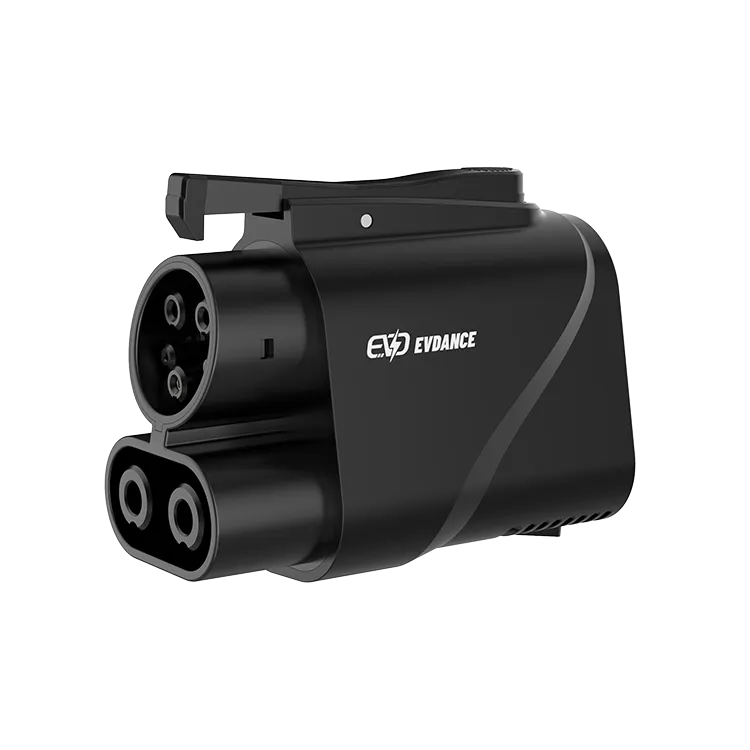
A mixed fleet does not need one adapter — it needs the right adapter per car and per station. The JT02 serves a J1772 car at a NACS AC charger. The JT08 and JT09 serve a CCS1 car at a NACS DC station, including Superchargers open to that car — and only where the car maker approves a third-party DC adapter for that car. Two combinations have no adapter at all. The table below is the whole map; issue from it, not from memory.
Key Takeaways
- Match the adapter to the car’s inlet and the station: JT02 for J1772 at NACS AC, JT08/JT09 for CCS1 at NACS DC.
- Two pairings have no adapter: a J1772 car at DC, and a CCS1 car at NACS AC.
- JT08/JT09 use carries two conditions — the maker’s approval for the exact car, and the station open to it.
- Fleets issue per car, check approval per model, and retire damaged adapters the same day.
The Map: Car Inlet × Station
| The car’s inlet | At a NACS AC charger (destination charger, Wall Connector) | At a NACS DC station (including an open Supercharger) |
|---|---|---|
| J1772 | JT02 — AC adapter, up to 80 A | No adapter. The JT02 is AC-only, and no DC adapter serves a J1772 inlet |
| CCS1 | None of these three — they bridge DC, not AC | JT08 or JT09 — with the maker’s approval for the exact car, and the station open to it |
A car with a NACS inlet needs no adapter at NACS stations of either kind — it plugs in natively, and it is the cars whose inlets differ that the fleet equips. The standards behind the names are set out in our guides to what J1772 is and whether J1772 works with CCS.
JT08 or JT09: The One-Line Difference
The JT09 adds a handle to the same job: both are rated up to 500 A with IP66 sealing, and the JT08 also states up to 1000 V. That is the whole difference — handling, not capability or approval. A fleet can standardise on one, or issue the handled version to the drivers whose rounds involve the most DC stops; either way, the two conditions in the table apply identically to both.
Issue Them Like Equipment, Not Accessories
- One adapter per car, labelled to that car. A pooled adapter migrates to whichever car is nearest — including one it does not serve.
- The approval check is done per model, before issue. For JT08/JT09 cars, the fleet checks each model’s position in the car maker’s current document on third-party DC adapters; a model not covered does not get a DC adapter, whatever its inlet.
- The driver card states the conditions in driver language. Your car is on the approved list; charge only where the network says your car is welcome; if a session will not start, reseat once, try another stall, then call the fleet desk.
- JT02 cars carry a boundary, not just an adapter. Destination and home AC points are its territory — a Supercharger is never an option for that car, adapter or not.
- A damaged adapter leaves the pool the same day. Discoloration, a damaged face or a fit that has gone loose means out of service and replaced — never repaired, never left in the car “just in case”.
The Three Adapters, on Stated Facts
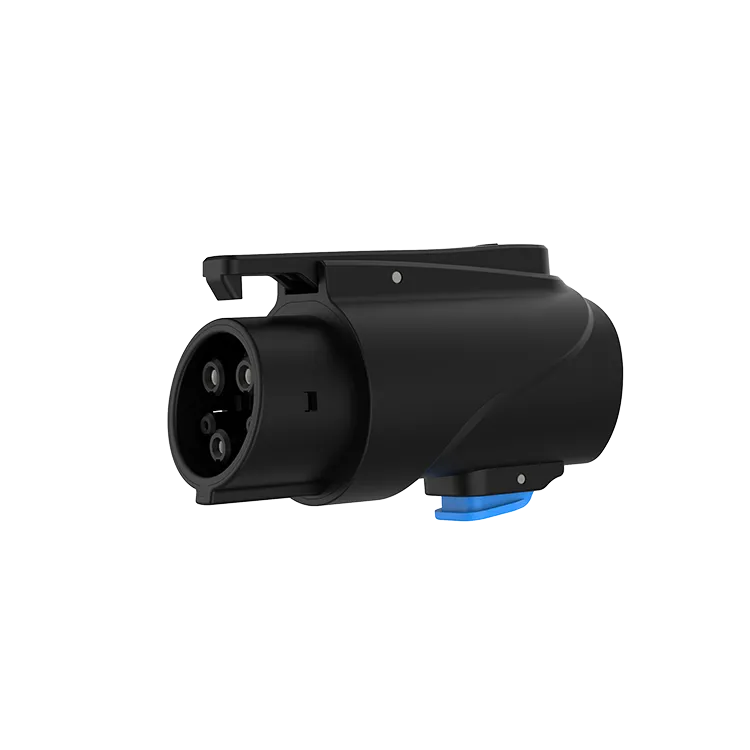
The JT02 is a NACS-to-J1772 AC adapter: up to 80 A, AC 250 V, IP65. The JT08 is a NACS-to-CCS1 DC adapter: up to 500 A / 1000 V, IP66, for use only where the automaker approves. The JT09 is the same family with a handle: up to 500 A, IP66. None of the three adds power — each passes through what the station and the car agree between them. All carry EVDANCE’s 3-year standard warranty; EVDANCE is a Shenzhen manufacturer founded in 2011.
Frequently Asked Questions
Can drivers swap adapters between cars?
Only inside the same pairing. A JT02 issued to a J1772 car does nothing for a CCS1 car, and a JT08 or JT09 may only travel with a car whose maker approval the fleet has verified for that model.
Our fleet also runs a NACS car. Which adapter does it need?
None at NACS stations — it plugs in natively, AC and DC alike. Adapters exist for the cars whose inlets differ from the station in front of them.
Can the JT02 be used at a Supercharger in an emergency?
No. It is an AC adapter and a Supercharger is DC; there is no emergency exception in its rating. A car whose only inlet is J1772 has no DC inlet at all, so its options are AC points — never this adapter at a DC station.
Related Reading
- Are EV Charging Adapters Safe?
- Is the Tesla Charger NACS? NACS, J3400 and Adapters Explained
- Does J1772 Work With CCS? CCS Connectors Explained
- What Is J1772? The North American EV Plug Explained

