
Conformal coating is a thin polymer film applied over an assembled circuit board. It seals the board’s components and tracks against moisture, condensation, dust and corrosive air — the slow failure causes an enclosure slows down but never stops completely. The trade-off is real: coating adds a process step and cost, and makes component-level repair harder. It is worth adding when the working environment will attack the board faster than the enclosure alone can protect it.
Key Takeaways
- Conformal coating is the board-level second defence against moisture, condensation, dust and salt air.
- Material choice is a service decision too: hard coatings rule out board repair.
- It earns its cost in coastal, humid, dusty and long-life installations — less so in dry indoor ones.
- Specify it in writing: boards, material, masking, inspection, repair model.
What the Coating Does — and What It Does Not Do
Even a well-sealed charger breathes a little. Daily temperature cycles move air past seals and cable glands, and humid air that enters at noon condenses on cool boards at night. Over years, that moisture combines with dust and salts to form leakage paths across a board.
Conformal coating interrupts that process at board level. It does not replace the enclosure — the first defence is still the housing and its IP rating — and it does nothing for connectors, displays or cable entries unless the design treats them. It is a second layer, valuable because the first is not perfect.
Coating Materials and How They Are Applied
| Material class | Character | What it means for the buyer |
|---|---|---|
| Acrylic | Easy to apply and the easiest to remove for repair | The service-friendly default for boards that may need rework |
| Silicone | Flexible; tolerates vibration and temperature swings | Suits products that flex, vibrate or cycle thermally |
| Polyurethane | Tough, abrasion- and chemical-resistant film | Strong protection, but removal for repair is laborious |
| Epoxy | Very hard, near-permanent coating | Maximum barrier; board repair effectively ruled out |
| Parylene | Extremely thin film deposited from vapour | Premium process cost; used where uniformity justifies it |
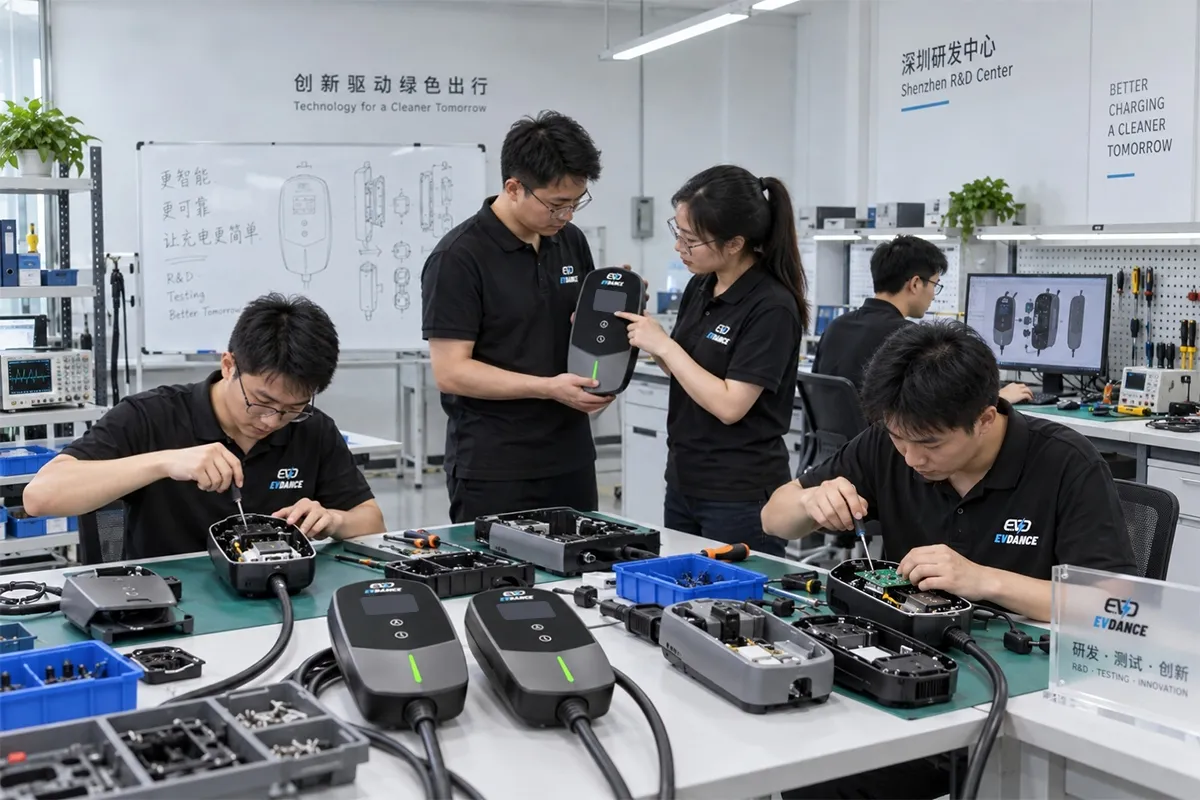
Application is by spraying, dipping, brushing or selective robotic coating, after masking connectors, test points and earthing pads that must stay bare. The board is cured and inspected under ultraviolet light — most coatings include a UV tracer that makes missed patches visible. Masking matters: coating inside a connector or on a heatsink interface creates new problems.
When It Is Worth Adding
- Coastal and salt-air sites, where airborne salt accelerates corrosion on exposed tracks.
- Humid or condensing environments — sweating car parks, wash-down areas, tropical markets — where boards see nightly dew even inside enclosures.
- Dusty, agricultural or industrial air, where fine conductive dust settles on boards over years.
- Long-life installations with no service access, where nobody opens the unit until it fails.
It is harder to justify for dry indoor installations, for products whose service model is component-level board repair, or where unit price matters more than service life. Decide per model and per market, not range-wide: the same charger faces a different board risk inland than on the coast.
Specifying It in an Order
Coating is invisible once the enclosure is closed, so it belongs in the written specification — the same discipline our factory audit checklist for importers applies to the rest of the build. Ask:
- Which boards are coated, in which material, and which areas are masked?
- What specification does the process work to, and how is coverage inspected?
- How are coated boards handled under warranty — board swap, or unit swap?
- Can you inspect a coated sample board under UV light?
EVDANCE builds chargers for outdoor use across its range — portables such as the EV-ACS3210E carry an IP66 rating — and offers private label from 100 units through its OEM programme. Whether a given model’s boards are coated is a specification question: put it to the EVDANCE team in writing and file the answer with the order.
Frequently Asked Questions
Does conformal coating replace an IP65 or IP66 enclosure?
No. The enclosure keeps bulk water and dust out; the coating protects the board against the humidity and contamination that still get in over time. A coated board in a poor enclosure is still a poor product.
Can a coated board still be repaired?
It depends on the material. Acrylic can be removed locally for component replacement; polyurethane is harder work; epoxy and parylene make the board a replace-not-repair item. Settle the repair model — board swap versus unit swap — before the order, not after the first failure.
Does the coating affect heat or electrical safety?
The film is thin and forms part of the board’s approved construction when the product is tested. The buyer’s check is documentary: coating should appear in the model’s specification, so what was type-tested is what ships — our certifications explainer shows how to read that paper trail.
Related Reading
- EV Charger Factory Audit Checklist for Importers
- EV Charger Certifications Explained: CE, UKCA, UL, ETL, CB and What Buyers Should Ask For
- OEM and Private-Label EV Chargers: A Complete Guide for Brands

