
Using the EV-AC04001U for the first time is mostly done by feel and by ear: plug the unit into a NEMA 14-50 outlet, push the J1772 connector into the car’s port until the latch clicks, and the car starts the session. There is nothing to set on the charger — its published specification lists a single 40 A output — so the confirmations live on the car: its charge-port light and dashboard. The one real check comes first: the outlet must sit on a 50 A circuit.
Key Takeaways
- First use is three moves: plug into the outlet, push the J1772 connector in until the latch clicks, read the car’s signals.
- There is nothing to set on this charger — the preparation is the circuit check: 40 A belongs on a 50 A breaker.
- Confirmation comes from the car (port light, dashboard), and its exact form varies by model.
- An unlatched connector is the most common reason a first session will not start; heat or discolouration is the reason to stop.
Before the First Plug-In: Two Checks
- The outlet. This charger needs a NEMA 14-50 receptacle — the four-slot 240 V type described in our guide to what a NEMA 14-50 outlet is. It should look sound: the plug seats firmly, with no scorch marks, cracks or looseness. A damaged receptacle is a stop sign.
- The circuit. Charging is a continuous load, so the breaker is sized at 125% of the charger’s current: this fixed 40 A unit belongs on a 50 A breaker. There is no lower setting, so a smaller circuit ends the conversation — an electrician’s visit, not a workaround. Our portable charger safety guide covers the circuit rules in full.
The First Session, Step by Step
| Step | What you do | What tells you it worked |
|---|---|---|
| 1 | Plug the charger into the wall outlet | The unit has power — check its ready indication against the manual |
| 2 | Open the charge port and push the connector in until it seats | The latch clicks, and the handle stays put under a light tug |
| 3 | Watch the car, not the charger | The port light or dashboard shows charging; the exact signal varies by model |
| 4 | Leave it a few minutes, then look once more | The car still shows charging; plug and cable are no more than mildly warm |
| 5 | To end: press the handle’s release, remove the connector, coil the cable | The car ends the session and the connector comes away cleanly |

The Latch Is the J1772 Difference
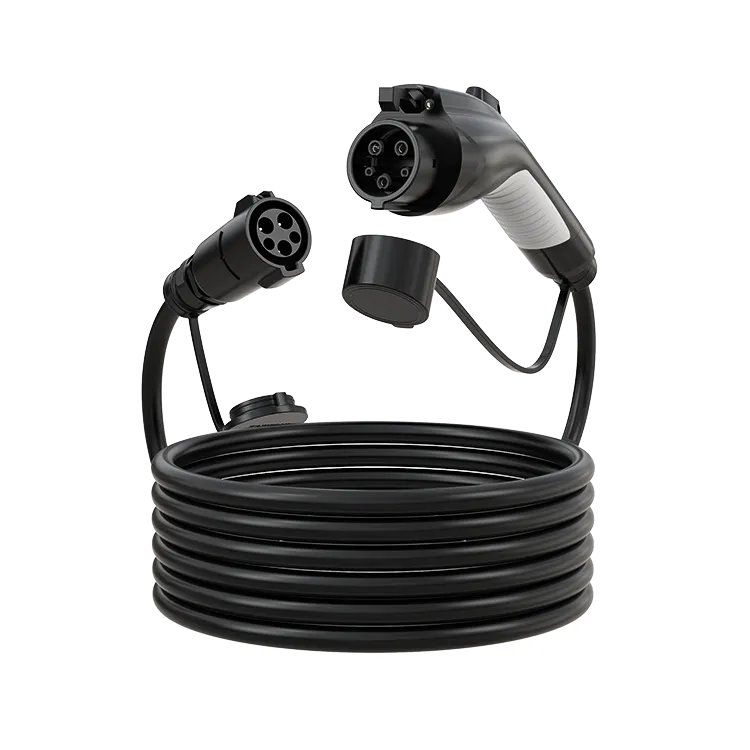
The J1772 handle holds one surprise: it locks in with a latch and releases with the button on top of the handle. A connector pushed in but not latched is the most common first-use failure — the car either refuses to start or stops the session early. Never force it. If the handle will not seat, look into the port for dirt or damage first; our explainer on what J1772 is shows how the connector and its latch are arranged.
If the First Session Does Not Start
- Nothing has power: check the breaker for that outlet before anything else.
- Power at the wall, silence from the car: reseat the connector until the latch clicks; an unlatched handle is the usual cause.
- The car is holding back: a charge limit or scheduled-charging setting in the car can delay or cap a session — those settings live in the car, not the charger.
- Anything hot, discoloured, or smelling of hot plastic: stop, unplug, and have the circuit checked by an electrician. The full checklist is in our guide to why a charger is not working.
The Charger in This Walkthrough
The EVDANCE EV-AC04001U is a 40 A J1772 portable charger: 9.6 kW, NEMA 14-50P, IP66, 25 ft cable, with EVDANCE’s 3-year standard warranty. Because there is nothing on it to configure, first use and everyday use are the same short routine — the checks above matter most the first time.
Frequently Asked Questions
Do I need to set the current before the first charge?
No. This model’s published specification lists one output — 40 A — and no settings to adjust. The preparation is the circuit check instead: 40 A of continuous charging belongs on a 50 A breaker.
How do I know it is charging if there is no session screen to watch?
From the car. Every EV signals a live session somehow — a charge-port light, a dashboard message, or its app. The signal differs by model; check the car’s manual once and you will know it.
Can I stop a session part-way through?
Yes. Press the handle’s release and remove the connector; the car ends the session. Do not pull against the latch — the release exists so the connector leaves without force.
Related Reading
- What Is J1772? The North American EV Plug Explained
- Do Portable EV Chargers Work? How Speed Depends on the Outlet
- Portable EV Charger Safety Guide 2026: NEC Rules, Extension Cords, and What to Avoid
- How to Use a Public EV Charger (and How to Stop It)

