
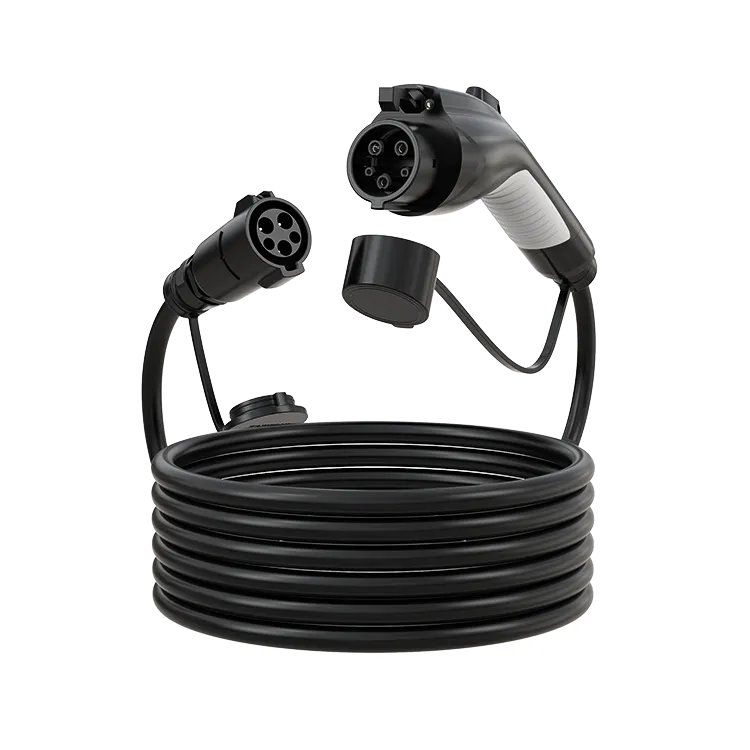
A loaner charger solves the gap between delivery day and the buyer’s own home installation: the car arrives this week, the electrician comes in three. A portable like the EV-AC04001U fits that job — it is a 40 A J1772 charger (9.6 kW) that plugs into a NEMA 14-50 outlet, so nothing is installed at the buyer’s home and the unit comes back to the dealership when the loan ends.
Key Takeaways
- A loaner portable bridges the gap between delivery day and the buyer’s own installation — nothing is fitted at the buyer’s home.
- Check two things at handover: a J1772 inlet (or the car maker’s adapter) and a 14-50 outlet on a 50 A circuit.
- Run the pool like any loan asset: logged loans, a one-page instruction card, signed terms, inspection at both ends.
- No 240 V outlet at the buyer’s home means no loaner can help — that buyer waits for the installation.
When a Loaner Makes Sense
- The buyer’s home charger is ordered but not installed. A wallbox awaiting an electrician is the classic gap — days or weeks where the new EV otherwise depends on public charging.
- The buyer is deciding. A first-time EV buyer unsure about home charging can live with Level 2 for a fortnight before committing.
- The buyer’s own charger has failed. A loaner keeps the car usable while a warranty claim or replacement runs its course.
In each case the loan works because the charger is an appliance, not an installation. Our guide to where a home charger should be installed covers the permanent setup; the loaner only bridges the wait.
Which Buyers Can Actually Use One
Two checks decide whether a loaner helps a given buyer, and both are worth making before the unit leaves the lot:
| Check | Works when | Does not work when |
|---|---|---|
| The car’s inlet | The car has a J1772 inlet — this charger’s connector fits directly | The car has a NACS inlet: AC charging works only through the car maker’s J1772 adapter, as our guide to using J1772 chargers with a Tesla explains — confirm the buyer has one |
| The home outlet | A NEMA 14-50 outlet on a 50 A circuit is within cable reach of the parking spot (the charger draws 40 A; the circuit is sized at 125% of that) | There is no 240 V outlet at all — no portable charger fixes that; the buyer is on Level 1 or public charging until the installation happens |
Both checks are cheaper at handover than after a frustrated phone call. If the outlet exists but the circuit behind it is smaller, that is an electrician question, not a loaner setting — the unit’s 40 A draw is fixed by its rating.

Running the Loaner Pool
The dealership side is a small logistics routine, set by the dealer, not the charger maker:
- Log every loan. Serial number, buyer, car, out date and due-back date on one record — a portable is easy to lend and easy to lose track of.
- Hand over a one-page card. Plug into a 14-50 outlet only, on a 50 A circuit; charge, unplug, coil the cable; who to call if anything looks or smells wrong.
- Set the terms before handover. Deposit, damage and late-return terms are the dealership’s own paperwork — signed before the unit leaves, not negotiated after it comes back scuffed.
- Inspect on return. Cable, connector face and plug pins, every time; damage found by your check is a repair, found by the next buyer it is a complaint.
- Store loaners docked, not bagged in a corner. A holster by the service desk keeps the connector clean and the cable off the floor between loans.
The Charger Itself
The EV-AC04001U is a 40 A J1772 portable charger: 9.6 kW, NEMA 14-50P plug, 25 ft cable, IP66 enclosure for garage or outdoor parking, and a 3-year standard warranty. EVDANCE is a Shenzhen manufacturer founded in 2011, exporting to more than 30 countries. For a dealership buying several loaner units, orders run through the reseller and distributor program.
Frequently Asked Questions
Can the loaner charge a car with a NACS inlet?
Yes for AC charging, through the J1772 adapter the car maker supplies or approves. The charger does not change; check at handover that the buyer actually has the adapter, since it belongs to the car.
What if the buyer has a 14-50 outlet on a smaller circuit?
Do not lend on a promise to “turn it down” — this unit’s rating is 40 A. The circuit question goes to the buyer’s electrician; until it is answered, the loaner is not the right tool for that home.
Who pays if a loaner comes back damaged?
Whoever the dealership’s loan agreement says — which is why the terms are signed at handover and the unit is inspected, with photos, at both ends of the loan.
Related Reading
- What Is J1772? The North American EV Plug Explained
- Can a Tesla Use J1772 Chargers?
- Where Should You Install a Home EV Charger?

