
Moving from Level 1 to a 40 A Level 2 charger cuts monthly charging time by roughly 85%. A car that needs about 300 kWh a month spends around 214 hours plugged into a 1.4 kW Level 1 outlet, but only about 31 hours on a 9.6 kW J1772 charger such as the EV-AC04001U. The bigger benefit is flexibility: every night is long enough to refill a full day of driving.
Key Takeaways
- Level 2 at 40 A cuts monthly charging hours by about 85%.
- Heavy drivers outgrow Level 1 quickly.
- Level 2 is on average about 10% more efficient, per ENERGY STAR.
- A 50 A circuit with a 14-50 receptacle supports 40 A charging.
The Monthly Maths
U.S. DOT guidance puts Level 1 at about 1 kW and Level 2 at 7 to 19 kW. A common 120 V setup at 12 A supplies about 1.4 kW. A 40 A charger at 240 V supplies about 9.6 kW. The table assumes about 0.3 kWh per mile and ignores small efficiency differences.
| Monthly driving | Energy needed | Level 1 hours (1.4 kW) | Level 2 hours at 40 A (9.6 kW) | Hours saved |
|---|---|---|---|---|
| 600 miles | about 180 kWh | about 129 | about 19 | about 110 |
| 1,000 miles | about 300 kWh | about 214 | about 31 | about 183 |
| 1,500 miles | about 450 kWh | about 321 | about 47 | about 274 |
| 2,000 miles | about 600 kWh | about 429 | about 63 | about 366 |
At 2,000 miles a month, Level 1 would need more hours than a month has at home overnight. That is why heavy drivers quickly outgrow it.
Efficiency and Cost
Level 2 is not just faster. ENERGY STAR notes that Level 2 charging is on average about 10% more efficient than Level 1, because fixed losses are spread over a shorter session. At the U.S. average residential rate of 18.31 cents per kWh (EIA, July 2026), a 10% saving on 300 kWh a month is roughly 30 kWh, or about $5.50, though your rate and car will change the figure. Read whether Level 1 uses more electricity for the detail.
When Level 1 Is Still Enough
- You drive 30 miles a day or less and park for 12 hours or more.
- You have a plug-in hybrid with a small battery.
- You can top up at work or public chargers during the week.
Our article on whether a Level 2 charger is worth it helps you decide, and the comparison of Level 1, Level 2 and DC fast charging gives the bigger picture.
What You Need for Level 2
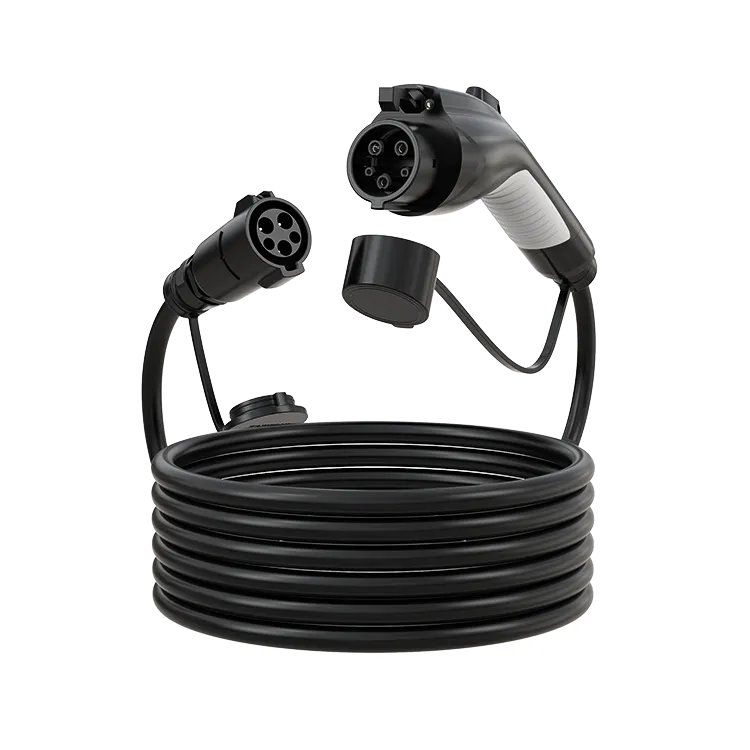
A 40 A charge requires a 50 A circuit with a NEMA 14-50 receptacle, installed by a licensed electrician. If the receptacle already exists, a portable charger can be in use the same day. The EV-AC04001U is a 40 A J1772 portable charger with a NEMA 14-50P plug, IP66 protection, a 25 ft cable and a 3-year warranty. Because it plugs in, you can take it with you when you move or travel.
Frequently Asked Questions
How much faster is Level 2 than Level 1?
A 40 A Level 2 charger supplies about 9.6 kW, roughly seven times a typical 1.4 kW Level 1 outlet.
Is Level 2 charging cheaper than Level 1?
The electricity price is the same, but Level 2 is on average about 10% more efficient, so slightly less energy is used.
Do I need a new circuit for Level 2?
You need a 240 V circuit. For 40 A charging, that means a 50 A circuit with a suitable receptacle.
Related Reading
- Does Level 1 Charging Use More Electricity Than Level 2?
- Is a Level 2 Charger Worth It?
- Level 1 vs Level 2 vs DC Fast Charging: A Practical Comparison
- How to Make a Level 1 Charger Faster

