
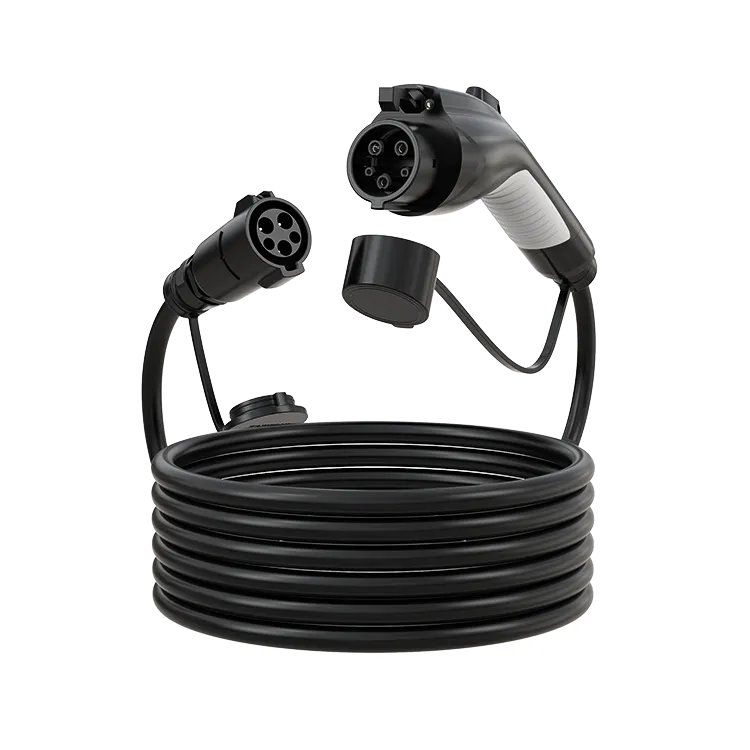
You can charge an EV in a barn or workshop with a portable J1772 charger like the EV-AC04001U, but the outlet and its circuit need more care than in a house garage. Outbuildings are often far from the main panel, dusty, damp and visited by animals or machinery. A licensed electrician should install a dedicated 50 A circuit with a suitable NEMA 14-50 receptacle, protected and located for the conditions.
Key Takeaways
- Outbuildings need a dedicated, properly protected 50 A circuit.
- Check that the barn feeder can carry a continuous EV load.
- Keep the charging area free of dust, bedding and flammables.
- Protect conduit from animals and machinery.
Why Outbuildings Are Different
Barns and workshops combine several things that electrical installations do not like: fine dust, hay or wood shavings, humidity, condensation, rodents that chew cables, and vehicles or equipment that can strike conduit. Many are also supplied by an old feeder from the house that was sized for lights and a few tools, not a 40 A continuous load. Before adding EV charging, your electrician should check the feeder size, the subpanel if there is one, and the grounding arrangement for the building.
Setup Checklist
| Item | Recommendation | Why |
|---|---|---|
| Circuit | Dedicated 50 A for 40 A charging | 125% continuous-load rule |
| Feeder | Confirm capacity if fed from a subpanel | Old barn feeders are often small |
| Receptacle | Heavy-duty 14-50 in a box rated for the location | Dust and moisture |
| Protection | GFCI and other protection as local code requires | Wet and dusty locations |
| Cable routing | Conduit protected from animals and equipment | Rodents and impact |
| Location | Clean wall near the parking spot, away from feed and bedding | Reduce dust and fire load |
Keep It Clean and Dry
- Mount the charger’s control box on a holster or bracket off the floor.
- Keep the connector capped or holstered when not in use, so dust and insects stay out.
- Store hay, sawdust and flammable liquids away from the charging spot.
- Check the plug and receptacle for dust buildup and wipe them with a dry cloth while unplugged.
- Do not hose down the charging area while the charger is plugged in.
Our guides on cleaning a charger connector and charger enclosures help in dirty locations.
Long Distances and Cable Reach
If the barn is far from the house panel, the feeder or branch circuit may need larger conductors for voltage drop. Trenching and conduit add cost. Read the cost of charging in a detached garage for a similar job. Inside the barn, the EV-AC04001U’s 25 ft cable gives some flexibility in where you park relative to the outlet, which helps when tractors and trailers share the space.
Farm Vehicles and Plug-In Hybrids
J1772 is common on many non-Tesla EVs and plug-in hybrids sold in North America. If you also have electric utility vehicles, check their inlet type and charging requirements separately; many use different connectors.
The EV-AC04001U is a 40 A J1772 portable charger with a NEMA 14-50P plug, IP66 protection, a 25 ft cable and a 3-year warranty, a solid match for a properly wired outbuilding.
Frequently Asked Questions
Can I charge an electric car in a barn?
Yes, with a dedicated circuit and receptacle suited to the dusty, damp conditions, installed by a licensed electrician.
Do I need a GFCI for a barn EV outlet?
Local code often requires ground-fault protection in outbuildings and damp locations. Your electrician will confirm what applies.
Is dust a fire risk for EV charging?
Dust and dry bedding near any electrical equipment add risk. Keep the charging area clean and store combustibles away.
Related Reading
- Do You Need an EV Charger Enclosure? How to Choose an Outdoor Enclosure
- How Much Does It Cost to Install an EV Charger in a Detached Garage?
- How to Clean an EV Charger Connector
- Does an EV Charger Need GFCI Protection?

