
A Level 2 charger such as the EV-ACT5006T supplies the same power in January as in July, but your car may add range more slowly in winter. Cold batteries accept charge less readily, and the car spends part of the energy warming the pack and cabin. In hot weather the car may run cooling during charging. The result is that seasonal differences come mostly from the vehicle, not the wall unit.
Key Takeaways
- The charger’s output does not change with the seasons.
- Cold batteries charge more slowly and the car may use power for heating.
- Plug in soon after driving and use scheduled departure for best winter results.
What Stays the Same and What Changes
At 48 A on a 240 V supply, the charger offers about 11.5 kW whatever the weather. What the car does with that power changes with temperature.
| Condition | What the car does | Effect at the wall |
|---|---|---|
| Mild weather | Charges the battery directly | Close to full charger power reaches the pack |
| Cold battery | Heats the pack first or limits charge rate | Slower range gain at the start of the session |
| Very cold night | Heats battery and possibly cabin | More total kWh for the same miles added |
| Hot afternoon | Runs battery cooling | Small share of power used for cooling |
Why Winter Sessions Feel Slower
Lithium-ion cells charge more slowly when cold. Many cars protect the battery by limiting charge current until the pack warms up. The charger shows a lower power draw, or the car draws full power but uses some of it for heating. Either way, you add fewer miles per hour at first. Winter driving also uses more energy per mile, so the same kWh buys less range. Our guide to cold-weather EV charging covers cables and hardware in freezing conditions.
How to Get More From Winter Charging
- Plug in as soon as you get home, while the battery is still warm from driving.
- Use the car’s departure-time setting so it finishes charging and warms the cabin just before you leave.
- Park in a garage if you can. A milder pack temperature helps charging and range.
- Keep the charger at its full setting if your circuit allows, so the car has headroom for heating and charging at once.
Read how battery preconditioning works for more on how cars warm the pack.
Summer Charging Tips
Heat is less of a problem for Level 2 sessions. Shade the charger and car where possible, and avoid leaving a car at 100% in extreme heat for long periods. Many owners set a daily limit and charge to full only before a long trip.
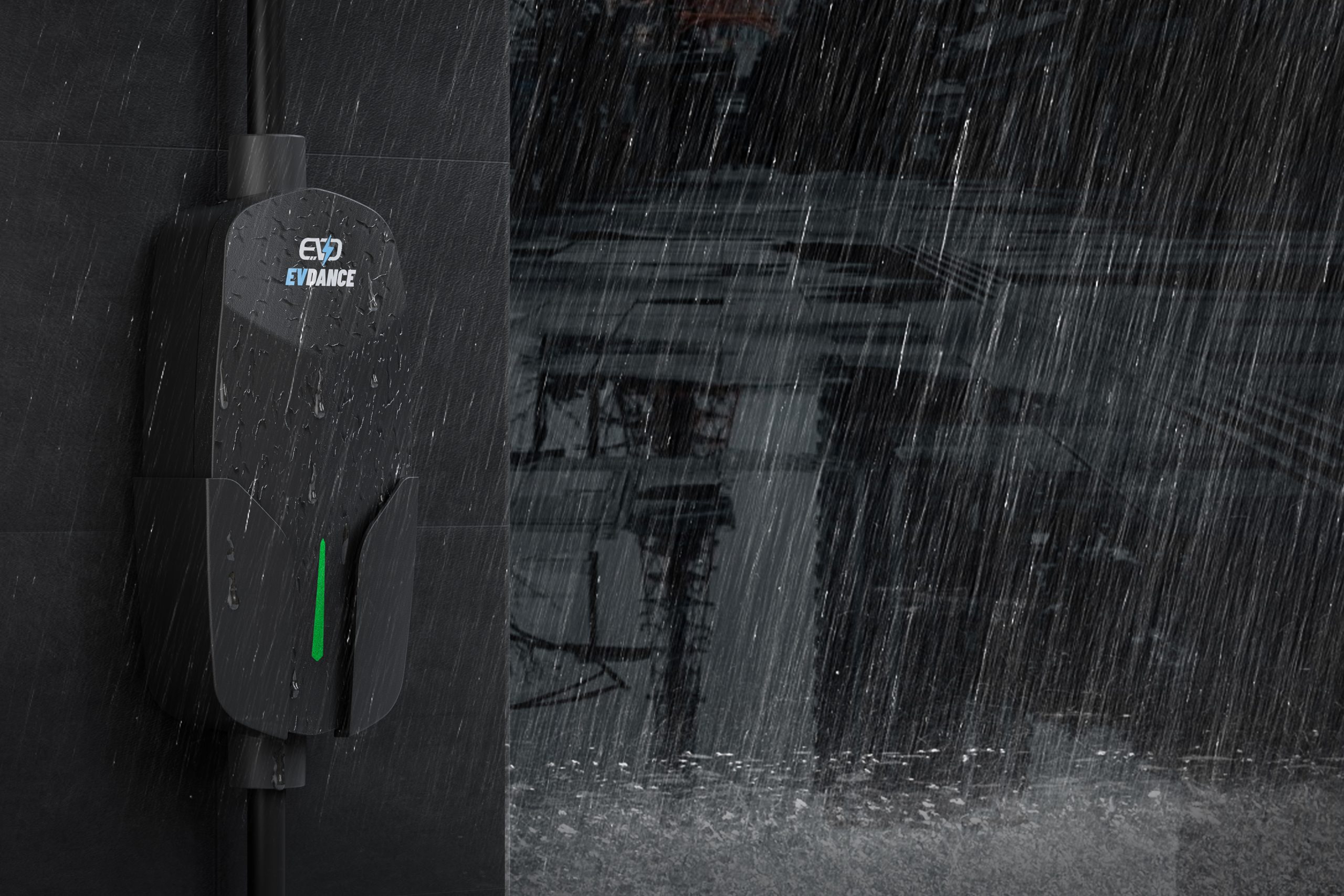
The EV-ACT5006T has an IP65/IP66 enclosure and a 25 ft NACS cable, and it supports up to 48 A when hard-wired. Its rating covers outdoor mounting, so the main seasonal variable is the vehicle.
Frequently Asked Questions
Does my charger slow down in cold weather?
The charger offers the same current. The car may accept less, or use some of the power to heat the battery, so range is added more slowly.
Is it bad to charge an EV in freezing temperatures?
No. Cars manage battery temperature during charging. Plugging in soon after driving helps because the pack is already warm.
Do I need a different charger for winter?
No. A charger rated for outdoor use and low temperatures works year-round. Check the operating temperature range in the manual.
Related Reading
- Cold-Weather EV Charging: What Happens to Chargers and Cables Below Freezing
- What Is EV Battery Preconditioning?
- Hot-Climate EV Charging: Protecting Chargers From Desert Heat and Sun
- Why Is My Electric Car Charging Slowly at Home?

