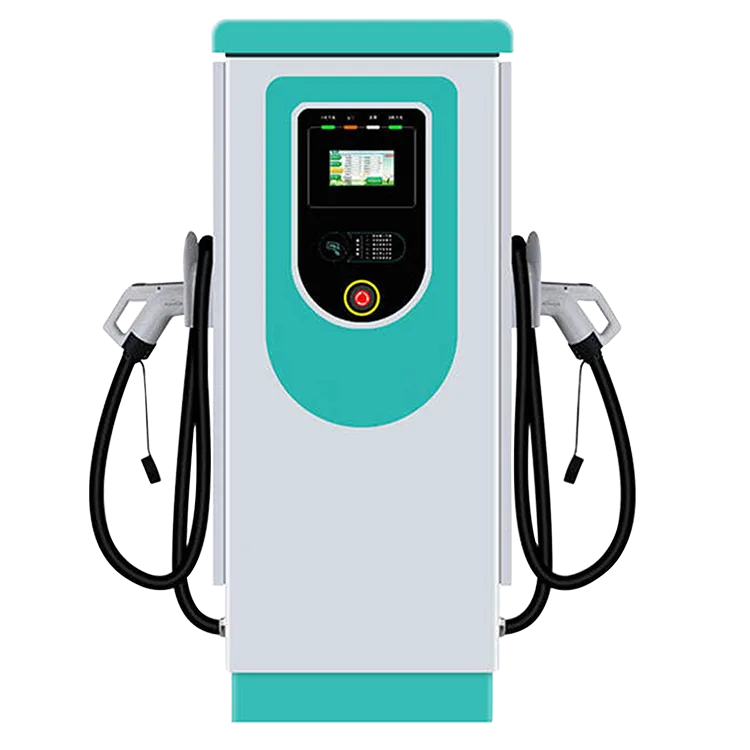
In the Gulf, parts of Australia, the southern United States and much of Asia, the biggest threat to charging hardware is not rain but heat. Electronics and cables that carry high current for hours generate their own heat, and a charger in direct summer sun can run far hotter than the air temperature. Good siting matters as much as good hardware.
Know the Rated Temperature Range
Every charger has a rated operating range. Many, including EVDANCE models, are rated up to +50°C ambient. In Kuwait, parts of Saudi Arabia and other hot regions, summer air temperatures can approach or exceed that, and a metal enclosure in direct sun heats well above ambient. When internal temperatures get too high, well-designed chargers reduce charging current to protect themselves, which drivers experience as slower charging.
Shade Is the Cheapest Upgrade
- Install chargers in covered parking, under canopies or on the shaded side of buildings.
- Avoid dark-coloured enclosures in full sun where possible.
- Leave space around the charger for air to circulate.
- For solar carports, the panels double as shade for the chargers below.
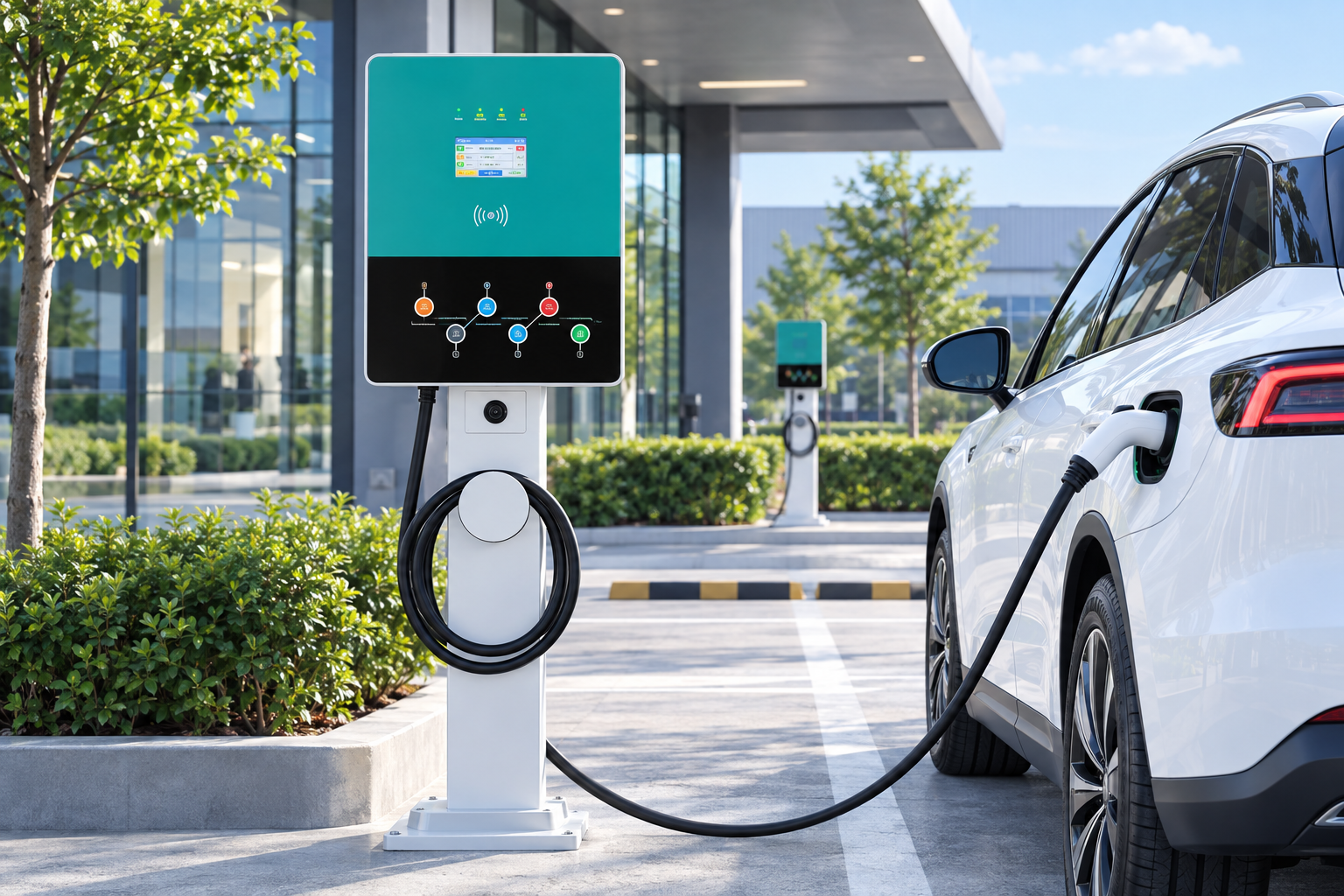
Dust, Sand and UV
- Choose IP65 or IP66 enclosures to keep out fine sand and dust.
- Use dust caps on connectors and holsters to keep inlets clean.
- Check that housings and cables are UV-resistant for long outdoor exposure.
- Plan periodic cleaning of connectors in dusty locations.
Cables and Connectors in the Heat
Charging cables carry high current and warm up during long sessions. In hot climates, avoid leaving coiled cable in the sun while charging, since coils trap heat. Connectors with temperature sensing allow the charger to reduce current if the plug gets too hot.
Market Notes
Our pages for the UAE, Saudi Arabia, Qatar and Kuwait include local siting guidance. In Kuwait, where summer temperatures can pass 50°C, we recommend indoor, covered or canopy-shaded installation only.
Related Reading
- Commercial EV Charger Maintenance Checklist
- EV Charging for Car Dealerships: What to Install and Why
- EV Charging News: Dubai Adds EV Chargers at Community Majlis and Wedding Halls
Key Takeaways
- Check the charger’s maximum rated ambient temperature against local summer extremes.
- Direct sun can push enclosures far above air temperature; shade is the cheapest protection.
- Use IP65–IP66 enclosures, dust caps and UV-resistant materials in desert regions.
- Expect chargers to reduce current when hot; good siting avoids it.
Sources & Standards
- IEC 60529 — Degrees of protection provided by enclosures (IP Code)
- IEC 61851-1 — Electric vehicle conductive charging system