Dealerships have several separate charging needs at once. New and used EVs in stock must be kept charged, cars in the workshop need charging after service, customers expect a full battery at handover, and buyers often ask what home charger they should get. A good dealership charging plan covers all of these.
Charging Needs Around the Dealership
| Area | Need | Typical solution |
|---|---|---|
| Inventory lot | Keep stored EVs at a healthy charge | AC chargers or portable chargers rotated between cars |
| Service workshop | Charge during and after service | AC wallboxes at service bays; DC for quick turnaround |
| Delivery bay | Full battery at handover | AC wallbox or DC charger |
| Customer parking | Charging while customers wait | Networked AC chargers |
| Accessory sales | Home charger for new owners | Portable chargers and wallboxes |
Why Portable Chargers Help
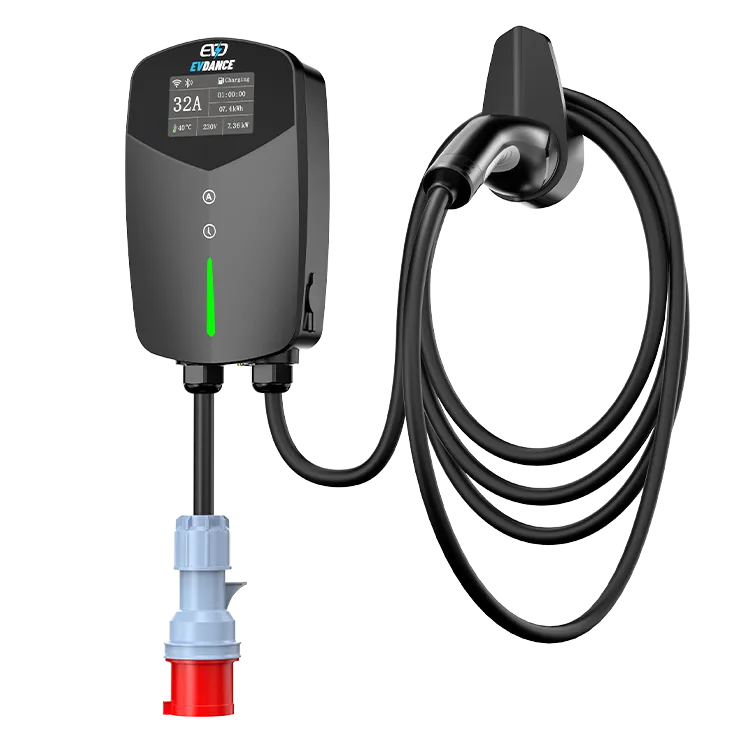
Portable chargers are flexible in an inventory yard: staff can move them between cars and plug into industrial or dedicated outlets. The EVDANCE EV-ACT3204PE uses a CEE 32A industrial plug and delivers up to 22 kW on cars that accept it.
Charging as an Accessory Line
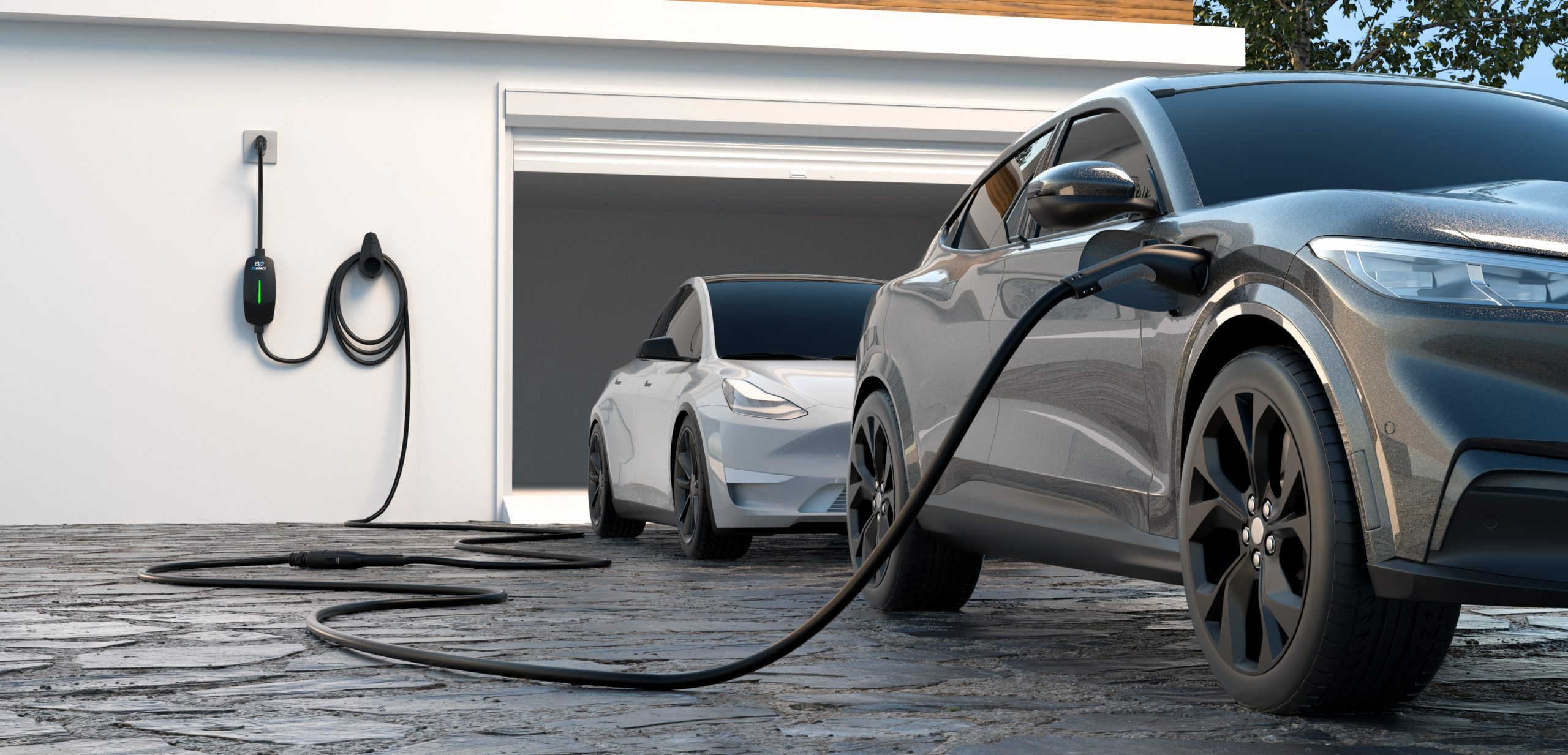
Many buyers need a home charger. Dealerships can offer a branded portable charger or wallbox at handover. With OEM and private-label supply, a dealer group can carry chargers under its own name. Some automakers no longer include a charger with new cars, as noted in our automakers unbundle news.
Planning Tips
- Map how many EVs are in stock, in service and delivered each day.
- Put AC chargers where cars wait longest, and DC only where turnaround matters.
- Choose networked chargers to track energy use by department.
- Pick connectors for the brands sold: NACS, J1772 or Type 2 depending on market.
Learn more on our dealership and automaker partnership page.
Related Reading
- Private-Label EV Chargers: Packaging, Labeling and Manuals
- EV Charger Warranty and After-Sales Terms: A Distributor’s Checklist
- EV Charging News: Italy Adds a Record 6,311 Charging Points in Q2
Key Takeaways
- Dealerships need charging for inventory, service, delivery and customers.
- Portable chargers are flexible for inventory lots.
- Private-label chargers can become an accessory product line.
- Plan by daily EV flow and match connectors to the brands sold.
Sources & Standards
- IEC 61851-1 — Electric vehicle conductive charging system
- SAE J3400 — North American Charging System (NACS)
- IEC 62196-2 — Type 2 vehicle connector