
Yes — the battery responds to how it is charged and how it is left sitting, not to where the electricity came from. Without a home charger you cannot default to a gentle nightly top-up, so care becomes a planning habit instead: take slower AC charging when you have the time, keep fast-charge sessions in the middle of the range, and avoid leaving the car parked at 100% after a session.
Key Takeaways
- Battery care without home charging is a planning routine, not a nightly one.
- Favour AC posts when you have dwell time; keep DC fast sessions in the middle of the range.
- Set the charge limit in the car — it works at any post — and time sessions to end near departure.
- A portable charger turns permitted outlets at family, friends or work into gentle AC sessions.
The Routine That Replaces the Nightly Plug
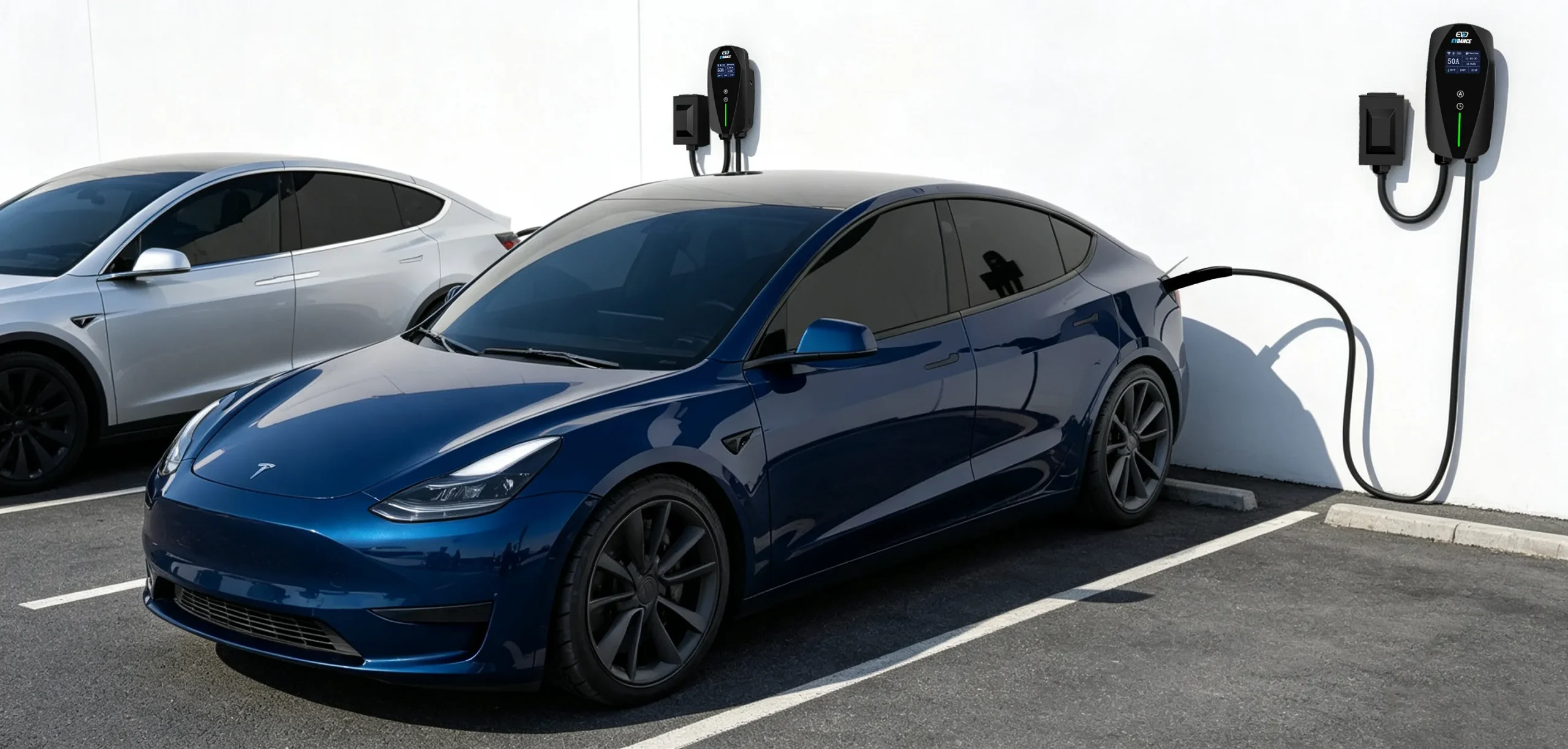
- Take AC whenever it is offered. Workplace, car-park and destination Level 2 posts deliver 7–19 kW — the same gentle band home drivers use every night. Our guide to charging an EV when you live in an apartment shows where these posts are usually found.
- Keep DC fast sessions in the middle. Arrive with a low-ish battery and leave by around 80%. Charging slows sharply beyond that point anyway — see why EV charging slows down after 80% — and long, frequent fast sessions are the pattern that adds wear, as our article on DC fast charging and degradation explains.
- Time the session to the drive. Charge, then drive. A session that ends just before a trip leaves the car full for minutes; one that ends the night before leaves it full for hours.
- Set the limit in the car. The charge limit lives in the car, not in the post, so the daily limit from the 80% charging guidance works exactly the same at a public charger.
- Keep a buffer. Running close to empty because the next post is a special trip forces harsh patterns. A modest reserve lets you choose sessions instead of chasing them.
Home Routine vs Public-Only Routine
| Care habit | With home charging | Without home charging |
|---|---|---|
| Everyday energy | Nightly AC top-up at home | Planned AC sessions at work, shops and car parks |
| Big fills | Rarely needed | DC fast sessions in the middle range, timed before driving |
| Sitting at 100% | Avoid as a habit | Avoid — end the session near departure, not hours before it |
| Cold weather | Precondition from the wall at home | Precondition while still plugged in at the post |
| Watching battery health | Charger and app figures at home | The same figures, plus a formal health check if readings change |
Heat and cold follow the same rules as they do for home drivers. Park in shade in hot weather when you can, expect slower sessions from a cold battery, and use battery preconditioning before a fast charge in winter if your car offers it.
A Portable Charger Widens Your Options
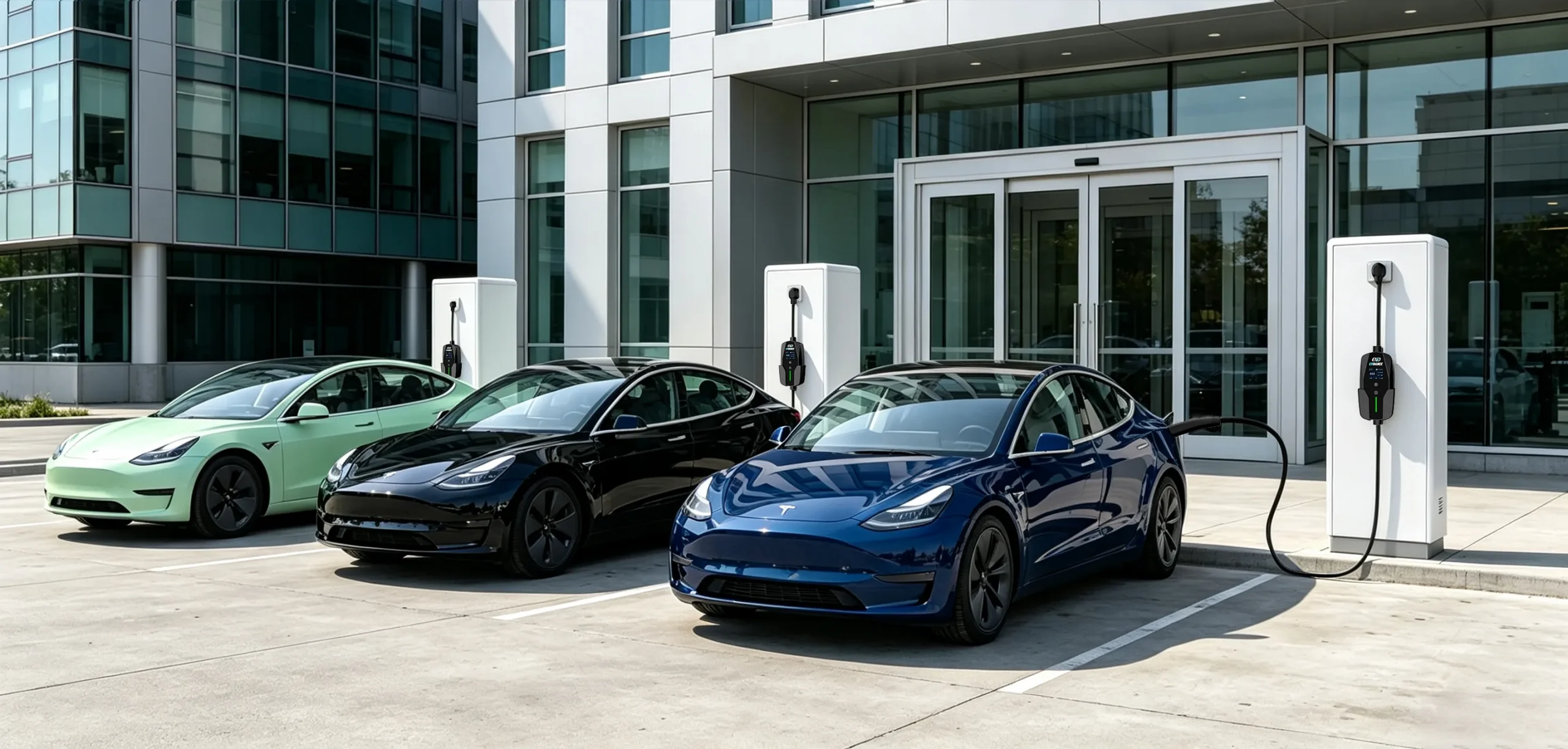
Public-only does not have to mean public-always. A portable charger such as the EVDANCE EV-ACS3210T 32A NACS portable charger (about 7.7 kW from a NEMA 14-50 outlet, adjustable in six steps) or the EVDANCE EV-ACS4005T 40A NACS portable charger turns a suitable outlet at a family home, a friend’s garage or a workplace into a gentle AC session, wherever the owner permits it. And if your building later adds shared charging — the options are in our guide to apartment and condo EV charging — the same habits carry straight over.
Frequently Asked Questions
Is fast charging every week bad for the battery?
Very frequent DC fast charging, especially in hot weather, adds some wear compared with AC charging. A weekly session as part of a mixed routine is a reasonable pattern for most drivers; adding AC sessions whenever dwell time allows is the practical way to keep the fast-charging share down.
I can only reach a charger once a week. Is one big session a problem?
One planned session a week is fine. What to avoid is the combination around it: filling to 100% on a fast charger and then leaving the car parked full for days. Charge to what the week needs, and time the session close to when you will drive.
Does it matter which public charger I use, for the battery’s sake?
Not by brand. What matters is the power level, how full you charge, the battery’s temperature and how long the car sits afterwards. Two posts with the same power rating treat the battery the same way.
Related Reading
- How to Charge an EV When You Live in an Apartment
- Does DC Fast Charging Degrade the Battery?
- Should I Charge My EV to 80% Every Night?
- Does Level 2 Charging Shorten Battery Life?

