
There is no verifiable league table of the “best” EV charger supplier — rankings are marketing, not evidence. The manufacturer you can defend choosing is the one whose answers arrive as documents. These 15 questions, in five groups, are the first-selection set: ask them before spending on factory audits and sample orders, and score the evidence behind each answer, not its fluency.
Key Takeaways
- There is no evidence-based ranking of suppliers; choose on documents, not on “best” claims.
- The 15 questions cover the factory, certification, quality evidence, change control and after-sales.
- Score the evidence behind each answer — certificates, test specifications and written rules.
- Audits and sample testing follow, once the questions have cut the shortlist.
Group 1: The Factory Itself
- 1. Do you manufacture this model in your own factory? Which production steps are in-house, and which are bought in?
- 2. Who owns the design? If firmware, display graphics or branding must change, can they do it — or is the design bought in?
- 3. Can we see the line? A visit, or a live video walkthrough of assembly and the test stations your model passes through.
Group 2: Product and Certification
- 4. Which certificates cover this exact model and plug version? Ask to see the test reports, not a logo wall.
- 5. Who is the applicant named on those certificates? The name should be the company you are buying from — or the relationship explained in writing.
- 6. Which configurations do you build for our market? Connector, plug and voltage as standard production — not as a special favour.
Group 3: Quality and Reliability Evidence
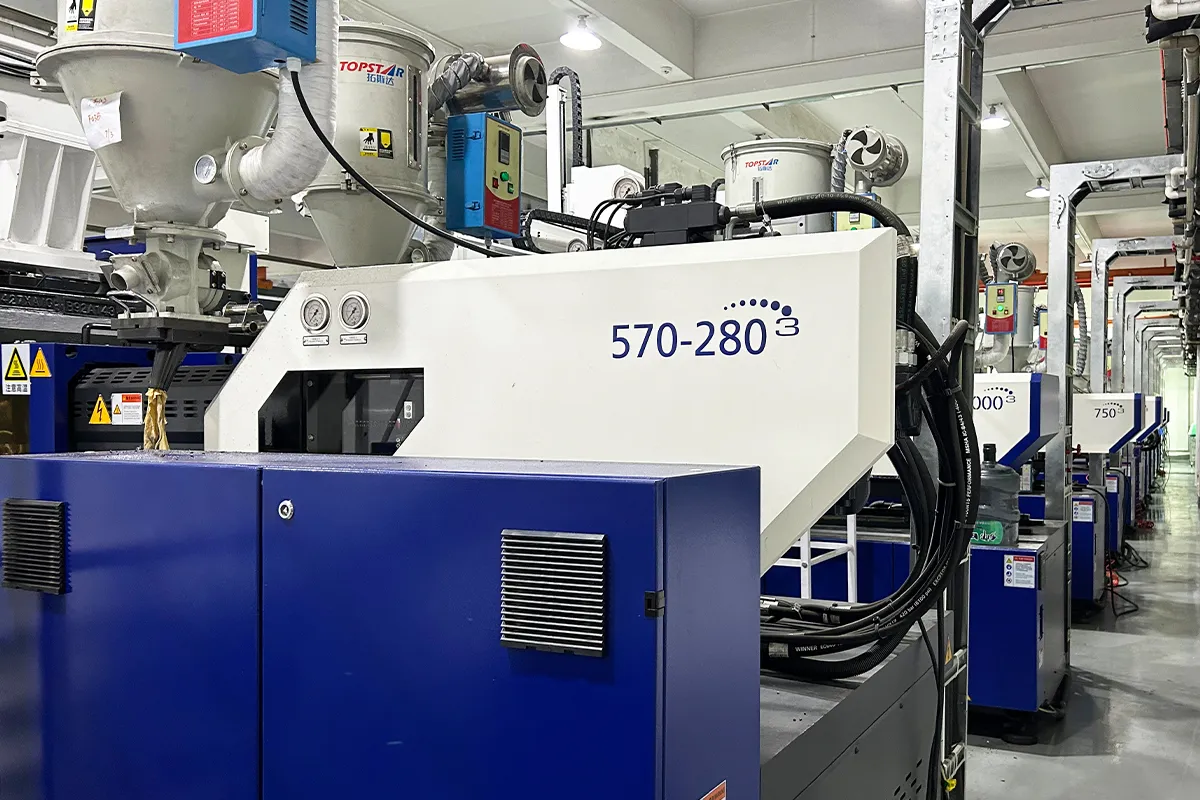
- 7. What does every unit pass before packing? The end-of-line test list, and whether results are recorded per serial number.
- 8. Is there a load run or burn-in? At what load, for how long, on every unit or a sample — and where is it written?
- 9. How are field failures analysed? What do you receive in writing when a unit fails in service — and who signs it?
Group 4: Change Control and Customisation
- 10. Will you notify us before changing a component, a sub-supplier or a firmware version? Ask for the rule in writing, not an intention.
- 11. What does private label cover, and from what quantity? Housing print, packaging, app screens, manual — itemised, with the minimum order for each.
- 12. If we pay for tooling, who owns it? Ownership, storage and what happens if you move production — in the agreement.
Group 5: Commercial and After-Sales Terms
- 13. What exactly does the warranty cover? Length, start date, what counts as a fault, and who pays freight in each direction.
- 14. Which spare parts can we buy separately? Cables, connectors, control boxes — and for how long after a model is replaced.
- 15. What are the payment and inspection terms? Deposit structure, and whether you may book your own pre-shipment inspection.
Answers That Should Slow You Down
| Answer pattern | What it usually means |
|---|---|
| “Certified” — for the brand, not the model | The certificate may not cover the unit you will import |
| “Standard testing” with no written specification | The test exists at whatever level the line finds convenient |
| “We will try to inform you” about changes | There is no change-notification rule |
| Warranty described only verbally | The terms will be re-decided at the first claim |
The questions sort the shortlist; they do not finish the job. Next, verify on site with our factory audit checklist for importers and test physical units with our guide to testing a charger sample before a bulk order. For portable lines, our B2B checklist for choosing a portable charger supplier goes deeper.
Putting the Same Questions to EVDANCE
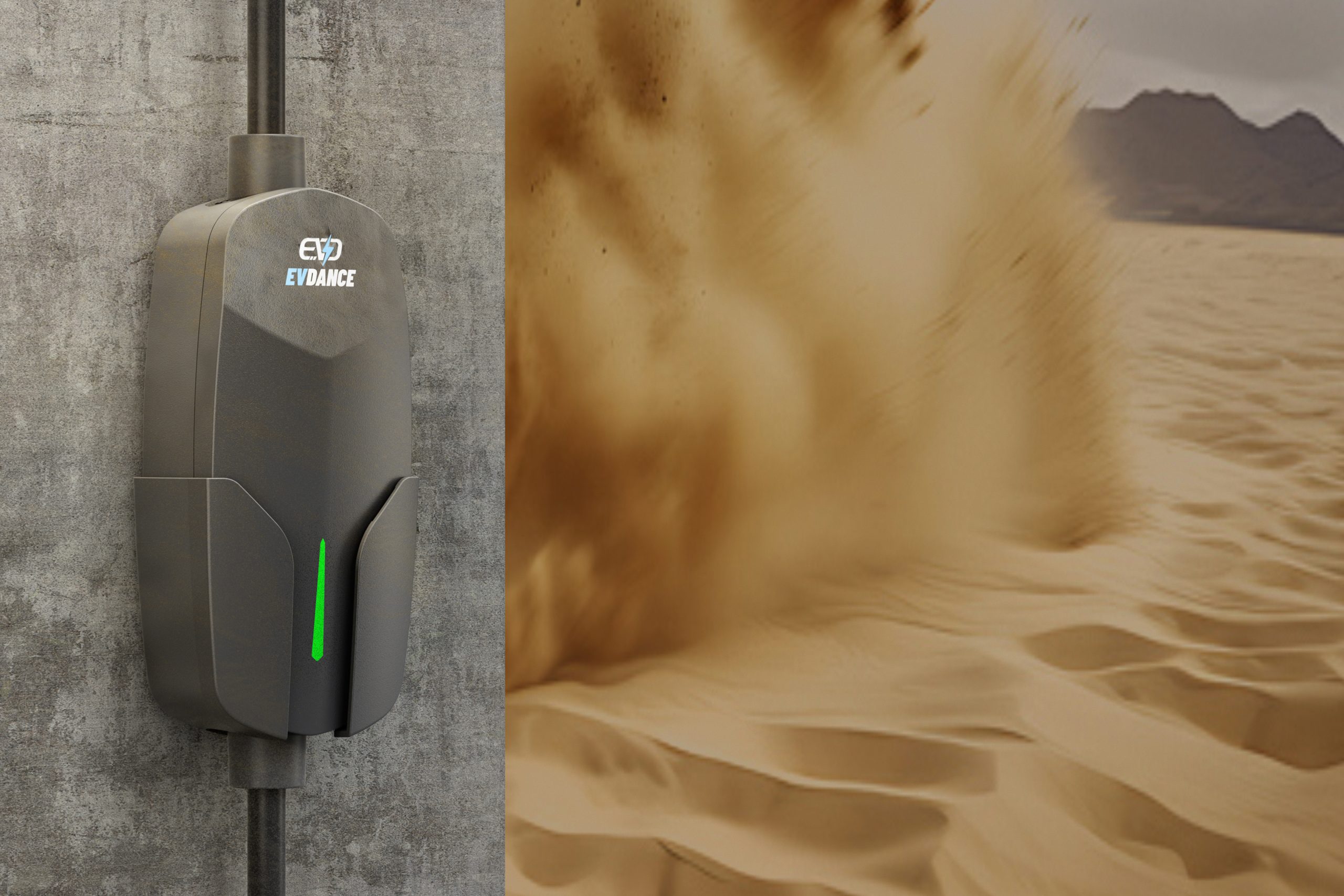
Ask us all fifteen. From the record: EVDANCE is a Shenzhen manufacturer founded in 2011, with its own factory, exports to more than 30 countries, private label from 100 units and a standard 3-year warranty, across the full product range. The remaining answers — certificates per model, test specifications, change-control terms — belong in documents attached to your inquiry. Start through the OEM and private-label programme or contact us.
Frequently Asked Questions
How is this list different from a factory audit?
The questions come first and cost nothing: they cut a long list of candidates down to the few worth auditing. The audit then verifies the answers in person — lines, records, certificates — before money moves.
Should I ask all 15 before requesting samples?
Yes. Samples test the product; these questions test the company. A good sample from a manufacturer that cannot document certification or control changes is still a risky order.
What if a manufacturer refuses to share documents?
Treat the refusal as an answer. Some detail is legitimately confidential and may need an NDA — but a supplier that will not show the certificate for the model it sells you has shown how claims will go later.
Related Reading
- EV Charger Factory Audit Checklist for Importers
- How to Choose a Portable EV Charger Supplier: A B2B Checklist for Importers
- How to Test an EV Charger Sample Before Placing a Bulk Order
Sources & Standards
- OSHA — Nationally Recognized Testing Laboratory (NRTL) Program
- U.S. DOE AFDC — Procurement and Installation for EV Charging Infrastructure
Read next: EV Charger Manufacturer and Supplier: How to Choose

