
A business hosting chargers rarely needs a new kind of policy. What it needs is a check: run the new risks past the covers you already hold, tell your insurer the chargers are coming before installation, and — if an operator runs them on your premises — write down whose insurance answers for what. An afternoon with your broker and your documents, in that order.
Key Takeaways
- Hosting chargers is a policy check, not a new policy — run the risk inventory past your broker first.
- Declare the chargers in writing — an undeclared asset and activity are where claims get difficult.
- Owning the units and hosting an operator’s put cover in different places; the contract must say which.
- The product warranty and site insurance are separate conversations; certified hardware makes both shorter.
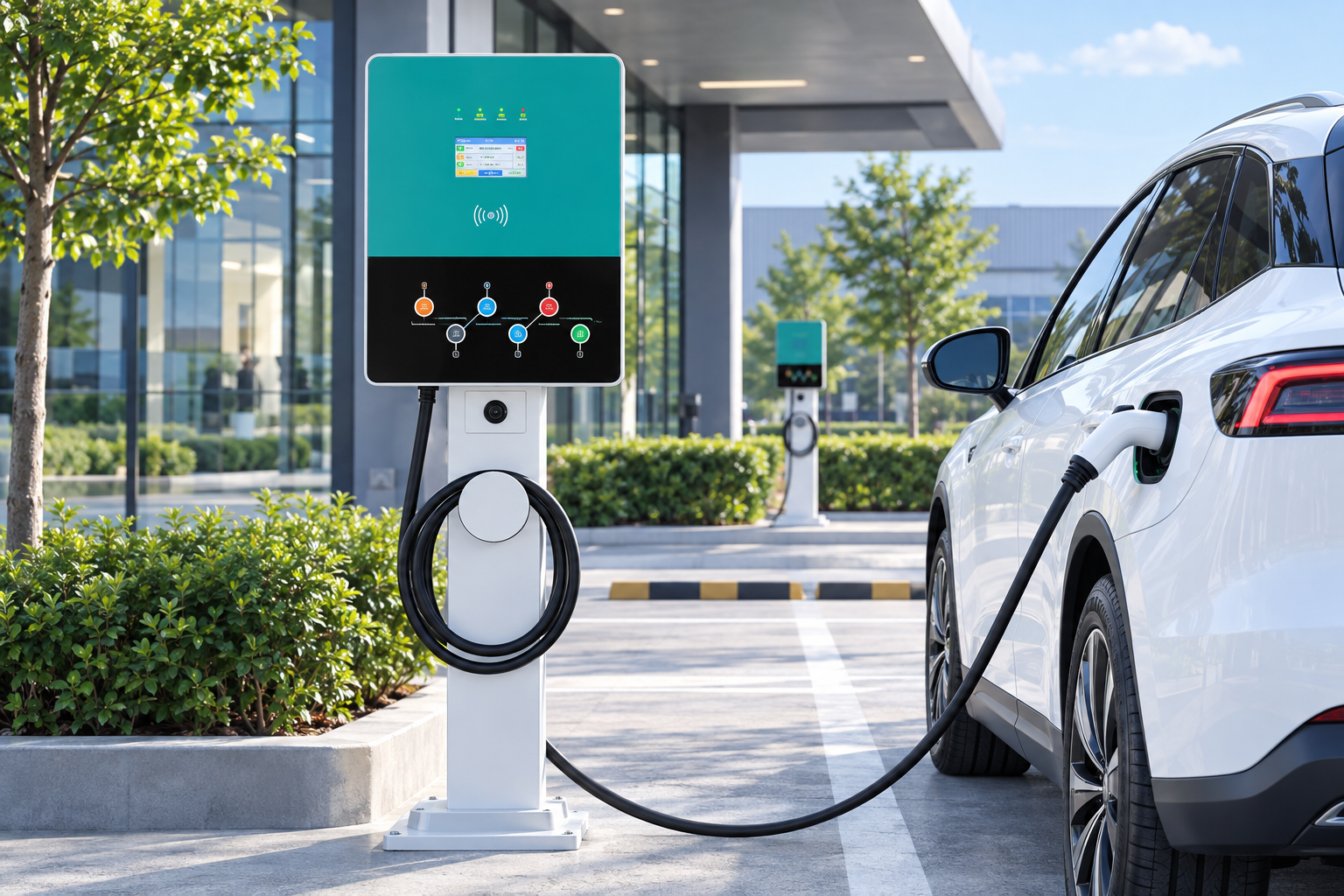
The Risk Inventory to Take to Your Broker
| Risk | Whose policy might respond | The document to check |
|---|---|---|
| A customer or visitor is injured around a charger or its cable | Your public or general liability cover | The policy wording: does it describe charging in a car park open to your users? |
| A charger is stolen, vandalised, or hit by a vehicle | Your property and equipment cover | The asset schedule: are the chargers listed, at installed value, as outdoor equipment? |
| A faulty charger damages a driver’s car | Contested: your liability cover, the manufacturer’s product liability and the owner’s motor policy | The supply and warranty documents for the exact model — certified hardware and a clean install record are your evidence |
| Chargers sit dead after a fire, flood or supply fault | Business interruption cover, if you carry it | The interruption schedule — and an honest decision about whether lost charging matters enough to insure |
| A member of staff is hurt handling charging equipment | Your employer-side cover, as your market names it | The employer policy, plus who maintains the units and manages cables |
None of these risks is exotic — they are ordinary business risks meeting a new asset. The answers live in documents you already have: the policy wording, the asset schedule, the supply contract. The broker’s job is to read them against the new facts, not to sell a product with “charger” in its name.
Own the Chargers, or Host an Operator’s?
The split changes where cover sits. If your business owns the chargers: your property cover carries the asset, your maintenance keeps it safe, your liability cover answers for the activity. If an operator runs its own units on your land, the allocation flips into the agreement: it insures its hardware and operation, you keep the premises risks, the contract says so. Ask to see the operator’s certificates before installation, and diary their renewals — a certificate produced once is not evidence of cover in year three. On leased premises, add the lease and your landlord’s written position on fixtures.
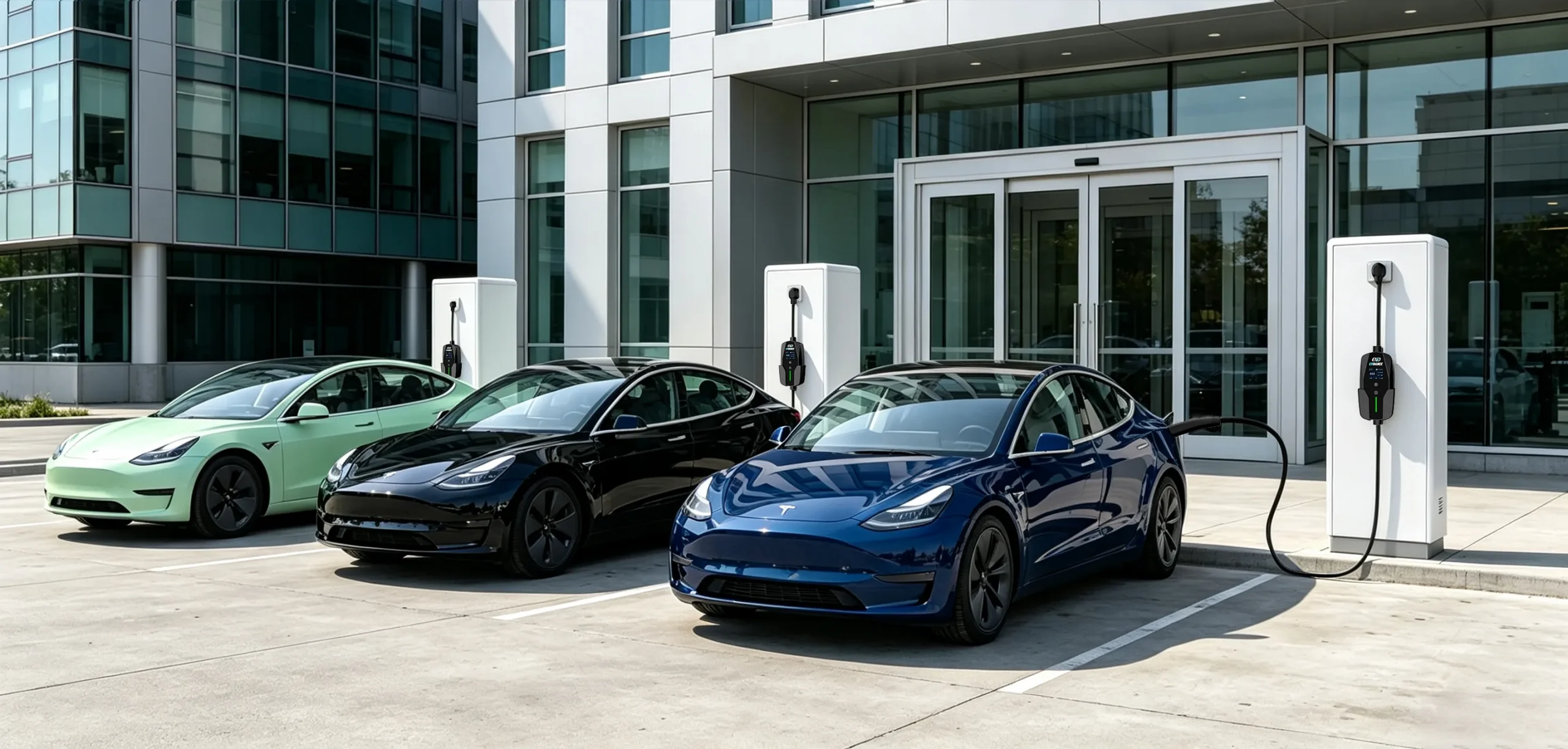
The Broker Brief, in One List
Insurers price declared facts. Give your broker the whole picture in one pass:
- The hardware. How many units, which models, where they sit — certified products, installed by a licensed electrician, certificates on file.
- The users. Staff only, customers, or the public — and the hours the bays are open. A staff-only car park and a 24-hour public site differ.
- The money. Whether drivers pay, and how. Paid public access changes the activity description; free staff charging usually does not.
- The upkeep. Who maintains the units, on what contract, and who a driver reports a fault to.
- The paperwork around you. Any lease, landlord or lender condition that names insurance duties.
Documented hardware shortens this conversation. The EV-ACT5006T wall charger is listed as ETL/FCC/CE — certification a reviewer can verify rather than take on trust. Keep one boundary clear: EVDANCE’s 3-year warranty covers product defects — it is not site insurance, and site insurance is not a warranty. Our commercial EV charging team can supply the hardware documents your broker asks for, via contact us.
Frequently Asked Questions
Does my existing business policy automatically cover the new chargers?
Do not assume it. Chargers are new, valuable assets plus a new activity; a policy written before they existed may describe neither. Declare them in writing and file the answer — before installation, while changing the description is easy.
Is insurance for hosted chargers legally required?
There is no universal charger-insurance rule to point to. Duties reach a host through general obligations, its lease, and any operator or funding contract — all readable by your broker against your market. What is compulsory varies by place; what is prudent does not: declare the change and split the duties in writing.
Who insures chargers an operator installs on my premises?
Whoever the host agreement says — which is why the insurance clauses deserve the same reading as the rent clauses. Check certificates before installation, confirm your own cover still describes the site, and diary renewals on both sides.
Related Reading
- How Do Commercial EV Charging Stations Work?
- How Much Does It Cost to Install a Commercial EV Charging Station?
- Which EV Charger Has the Best Warranty?
- How to Plan a Workplace EV Charging Program

