Workplace charging is one of the most useful places to add EV chargers. Cars are parked for eight hours or more, so moderate AC power is enough, and employees who cannot charge at home gain a reliable option. A good program is planned around people and parking habits, not just hardware.
Step 1: Survey Demand
Ask employees whether they drive an EV today or plan to buy one in the next two to three years, and how far they commute. The results tell you how many ports to start with and how fast demand may grow.
Step 2: Choose the Right Power
Because cars stay parked all day, 7 kW to 11 kW AC chargers are usually enough. Even at 7 kW, a car can add 50 kWh over a workday. Higher power adds cost without much benefit for long dwell times.
Step 3: Set Access and Etiquette Rules
- Decide who can use the chargers: employees, fleet vehicles, visitors or all three.
- Use RFID cards or an app to control access.
- Set rules for moving cars once charged, or use idle fees.
- Reserve some bays for fleet vehicles if needed.
Step 4: Decide on Pricing
Some employers offer free charging as a benefit; others charge at cost or a small margin. Check local tax rules, as free charging may be treated as a taxable benefit in some countries. Networked chargers with OCPP support make billing and reporting easier.
Step 5: Plan the Electrical Supply
Dynamic load management lets more chargers share a limited supply. It can also avoid peak demand charges. Install spare conduit and capacity during the first phase so later expansion is cheaper.
Step 6: Grow in Phases
Start with enough chargers for current demand plus a margin, then add more as usage grows. Review utilisation data every few months.
Picking Hardware
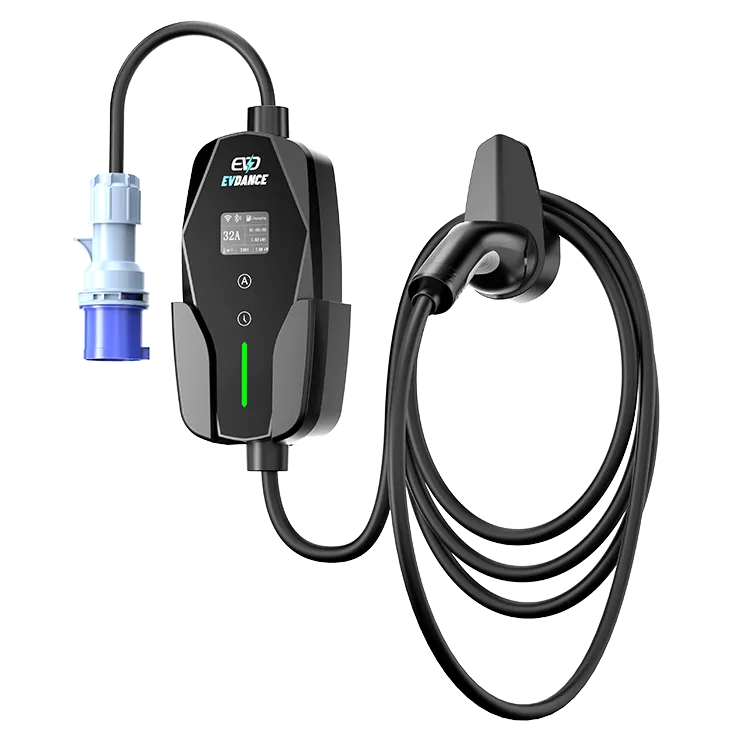
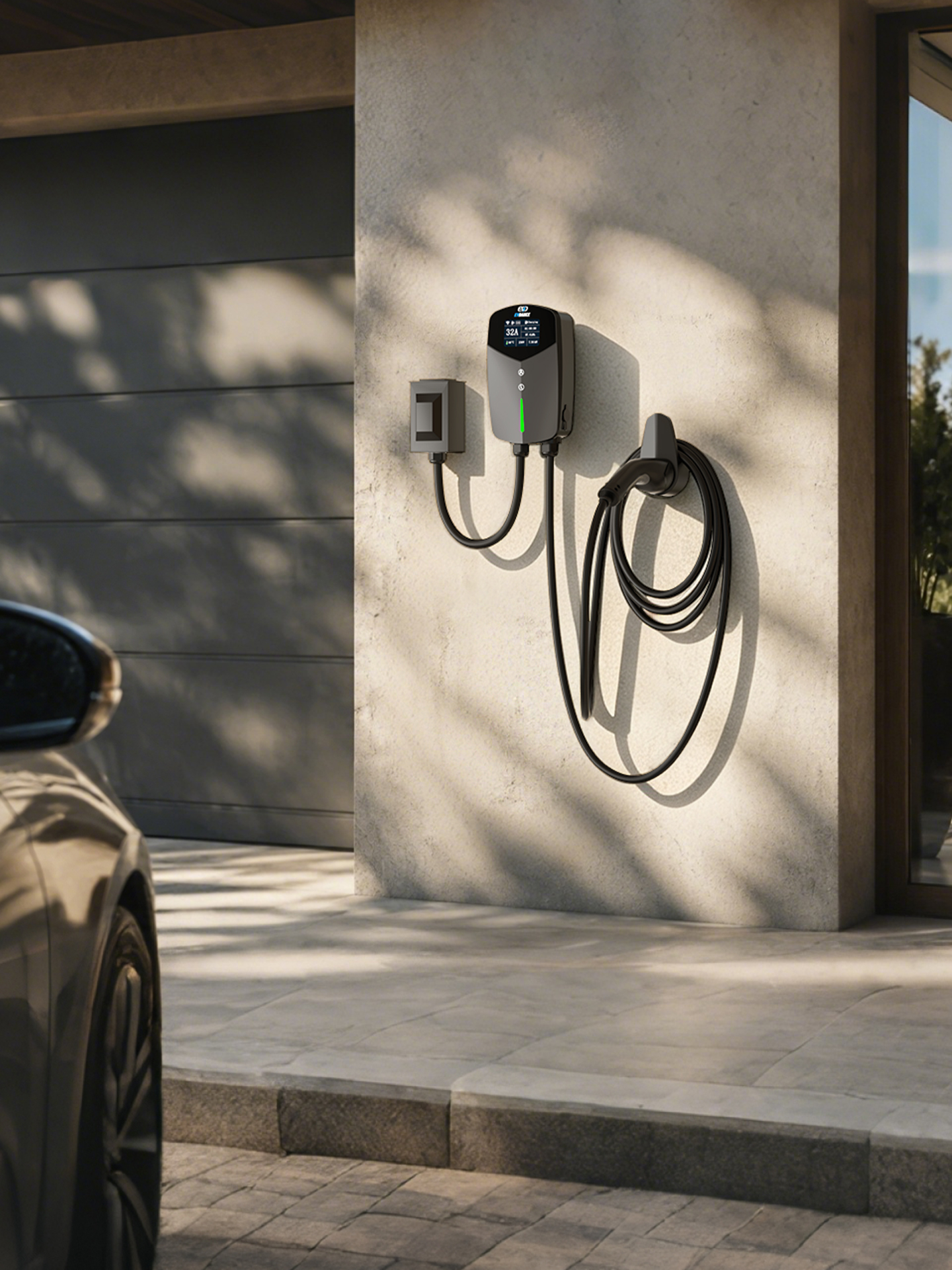
EVDANCE supplies AC wallboxes with RFID and app control, such as the EV-ACT3204E, and networked units with OCPP and dynamic load balancing, such as the EV-ACS3210E. See our workplace EV charging solutions for project support.
Related Reading
- Fleet Depot Charging: How to Size AC Chargers for Vans and Light Commercial Vehicles
- Hotel EV Charging: How to Plan Guest Charging That Pays Off
- EV Charging News: South Korea Cuts Weekend Daytime Charging Rates by Up to 32%
Key Takeaways
- Long dwell times mean 7–11 kW AC is usually enough.
- Survey employees before sizing the program.
- Access control, etiquette rules and pricing matter as much as hardware.
- Load management and spare conduit make growth cheaper.
Sources & Standards
- U.S. DOE AFDC — Workplace Charging for Electric Vehicles
- OCPP 1.6J / 2.0.1 — Open Charge Point Protocol (Open Charge Alliance)
- IEC 61851-1 — Electric vehicle conductive charging system