
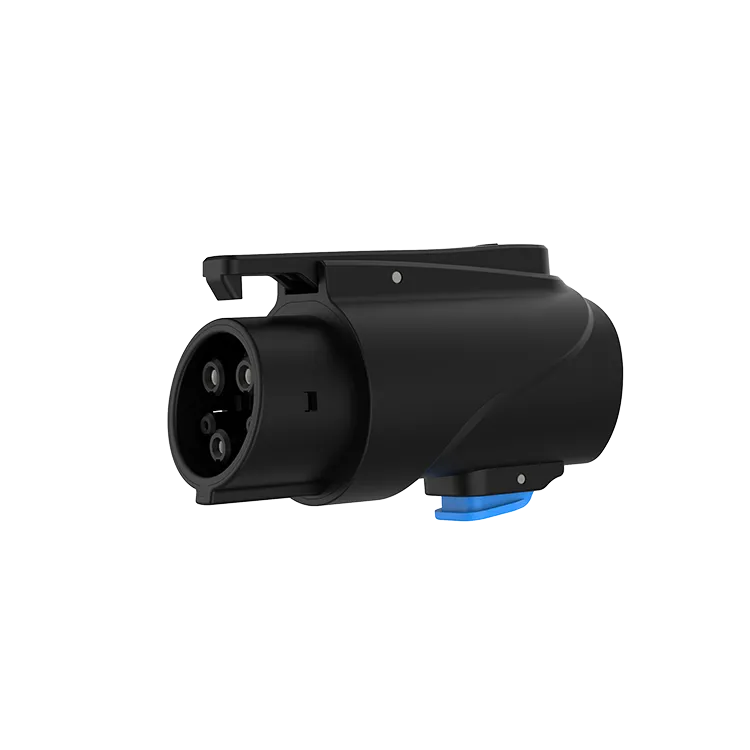
Price a charging adapter from its full landed cost upward, not from a competitor’s listing downward. Add product cost, freight, duties, channel fees, payment fees, a warranty and returns reserve, compliance and content costs, then the margin your business needs. For an AC adapter like the JT02, customers also pay for confidence, so clear specifications, documentation and support justify a fair price better than a discount.
Key Takeaways
- Price from full landed cost, not competitors’ listings.
- Include duties, fees, warranty reserve and compliance costs.
- Clear specs and AC-only guidance build confidence.
- Test prices against both conversion and returns.
Build the Landed Cost First
| Cost line | What it includes | Easy to miss? |
|---|---|---|
| Unit cost | Factory price for your configuration and packaging | No |
| Freight | Sea, air or express, plus local delivery to your warehouse | Sometimes |
| Duties and taxes | Import duties and fees at current rates | Yes; check the current tariff as of your import date |
| Channel fees | Marketplace or retailer commission | No |
| Payment fees | Card and payment processing | Yes |
| Warranty and returns reserve | Replacements, shipping for returns | Yes |
| Compliance and content | Testing, labels, photos, manuals | Yes |
| Storage | Warehouse and fulfilment fees | Sometimes |
Tariff and duty rates change, sometimes quickly. Use the rates in force on your import date and confirm with a licensed customs broker. Read importing chargers into the U.S. and unit cost drivers.
Choose a Positioning
- Value: lean margin, high volume, minimal bundle.
- Mid-market: fair margin, strong content, pouch or cap included.
- Premium: higher margin, extended support, bundled storage and clear documentation.
Whatever you choose, keep the promise you make. Reviews quickly punish adapters that arrive without clear instructions.
Content That Justifies the Price
Buyers ask: Will it fit my car? Is it safe? Can I use it at a Supercharger? Answer these on the listing. State the 80 A AC rating, 250 V AC, IP65, silver-plated copper terminals, and that it is for AC charging only. Our online selling checklist covers listing and compliance points.
Bundles and Price Tests
Bundle a storage pouch or cap rather than discounting. Test prices in small steps and watch conversion and returns together; a lower price that raises returns may lose money. Avoid making claims you cannot support, such as faster charging than the car allows. Honest listings reduce returns, and returns are one of the largest hidden costs in accessory retail. Track the reasons customers give for returning adapters; most can be prevented with a clearer compatibility note on the product page.
Private Label
EVDANCE supports private label from 100 units with a 3-year standard warranty, made in its own Shenzhen factory. The JT02 is a NACS-to-J1772 AC adapter rated up to 80 A and 250 V AC with IP65 protection. Sellers can start through the reseller and distributor program.
Frequently Asked Questions
How should I price an EV charging adapter?
Start from full landed cost, add channel and payment fees, a warranty reserve and your required margin.
Should I match the cheapest listing?
Not automatically. Compete on documentation, support and bundles before cutting price.
Do tariffs affect adapter pricing?
Yes. Use the duty rates in force on your import date and confirm with a licensed customs broker.
Related Reading
- Importing EV Chargers Into the US: Customs, HTS and Section 301
- What Drives the Unit Cost of an OEM EV Charger
- Selling Portable EV Chargers Online: Listing and Compliance Checklist
- Private Label vs Reselling a Branded EV Charger: Pros and Cons

