
Both the JT08 and the JT09 are rated IP66, and that is real protection for a DC session in bad weather — but it covers the sealed adapter body, not the whole session. Rain on a fully seated adapter is inside the rating. Immersion, a damaged seal, grit in the joint or a connector not pushed home are all outside it.
Key Takeaways
- IP66 on the JT08 and JT09 means dust-tight and protected against powerful water jets — a rating for the sealed adapter body.
- The station, the adapter and the car each carry only their own rating; the joints are protected only when clean and fully seated.
- Immersion, ice chipped with tools and damaged seals are all outside the rating.
- Wipe, seat fully, keep it out of standing water — that is the driver’s half of bad-weather DC charging.
What the Two Digits Mean
The first digit, 6, is the top of the dust scale: the enclosure is dust-tight, so grit stays out. The second digit, 6, covers water: the body is tested against powerful water jets, well beyond rain and road spray. Together they make IP66 the rating you want on a part that lives at outdoor DC stalls. The full scale — and how IP66 compares with IP54 and IP65 — is set out in our guide to IP ratings for EV chargers.
Whose Rating Covers What
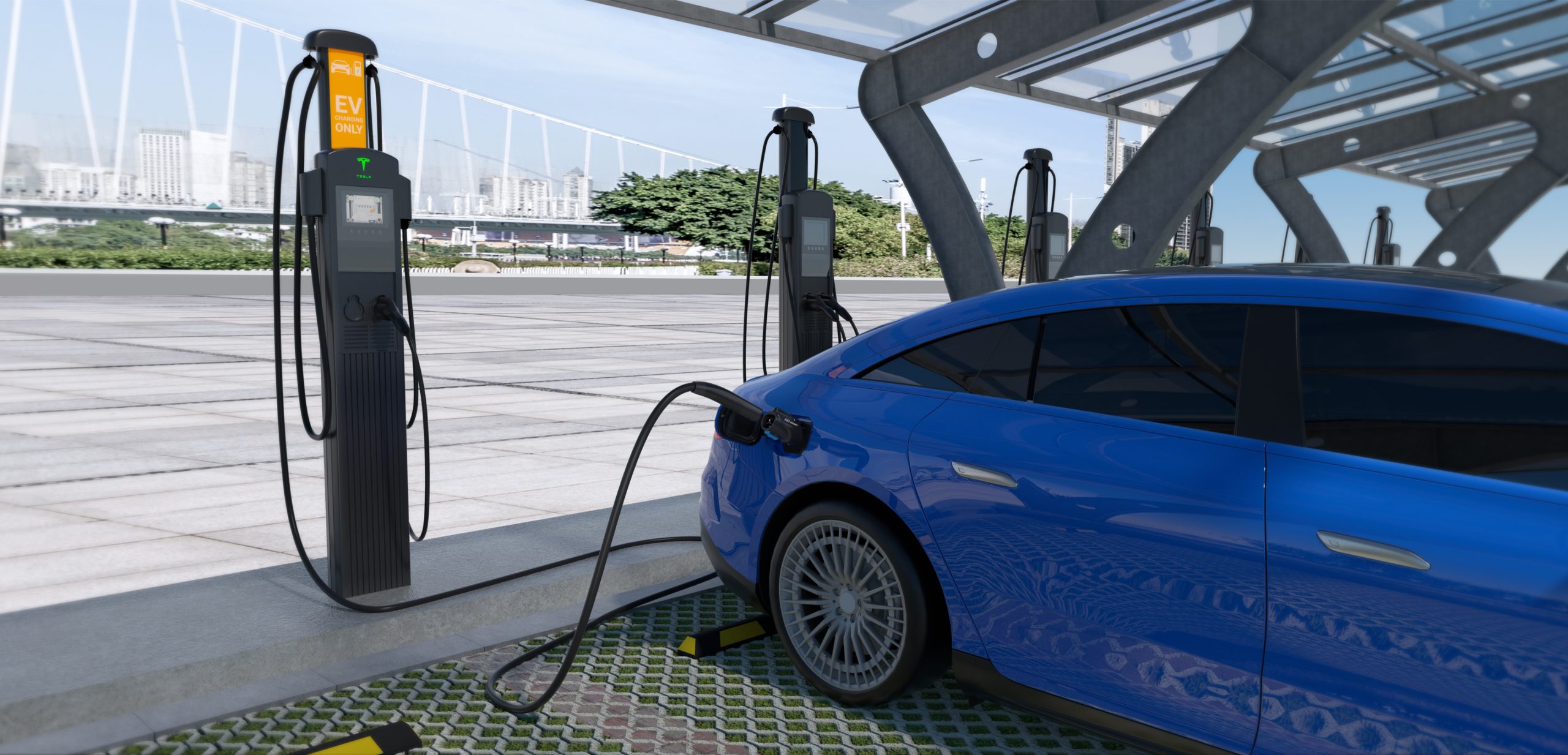
A DC session has three components, and each carries only its own maker’s rating. The adapter’s IP66 says nothing about the station’s connector or your car’s inlet — and their ratings say nothing about the adapter.
| Part of the session | Whose rating applies | What it covers |
|---|---|---|
| The station’s connector and cable | The station maker | Their enclosure — the adapter’s rating does not extend to it |
| The JT08 or JT09 | EVDANCE, as stated: IP66 | The sealed adapter body, fully seated, undamaged |
| Your car’s inlet | Your car maker | Their design and its stated limits |
| The two joints | No single rating | A joint counts as protected only when it is fully seated and clean — that part is yours |
Rain, Snow and Grit at the Stall
Most bad-weather failures are joint failures, not rating failures. The habits that keep the rating meaningful are simple:
- Seat it fully, every time. A connector pushed nearly home is not the tested configuration. Straight in, all the way, both joints.
- Wipe the faces first. A dry cloth takes rain, grit and road salt off the mating faces before they go together. Dirt trapped in a joint is a leak path and a wear point.
- Clear snow and ice by hand. Brush and wipe; never chip ice off contact faces with a tool, and never force a frozen joint together.
- Keep the adapter out of standing water. Rest it on the car or the stall, not in a puddle. Jets are inside the rating; submerged is not.
- Damage cancels the deal. A cracked housing, a nicked seal face or a bent pin ends the rating’s promise. In wet weather above all, a damaged adapter stays in the boot — retire it.
The Adapters Themselves
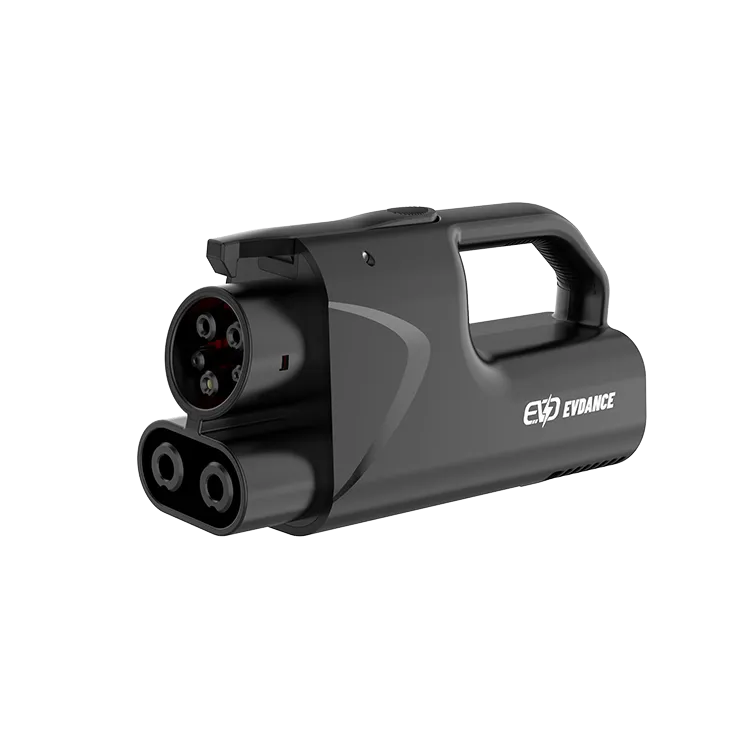
The EVDANCE JT08 and the EVDANCE JT09 are NACS-to-CCS1 DC adapters for a car with a CCS1 inlet at a NACS DC station, including Superchargers open to that car. Both are rated up to 500 A and IP66; the JT08 is also stated at up to 1000 V, and the JT09 adds a handle — useful with cold, gloved hands at a wet stall. Their sealing covers the adapter only: it does not upgrade the station’s or the car’s protection, and it does not change the two conditions of use — your car maker’s approval of third-party DC adapters for your car, from the maker’s current documents, and a station open to your car.
Frequently Asked Questions
Can I charge in heavy rain with a JT08 or JT09?
Rain itself is inside the rating: IP66 is tested against powerful jets, not drizzle. Wipe the faces, seat both joints fully, and follow any guidance the station itself gives for severe weather — the site’s terms govern the site.
Is IP66 the same as waterproof?
Not without limits. IP66 means dust-tight and protected against powerful water jets; it says nothing about immersion. An adapter dropped in a puddle should be dried fully and inspected before any use — and retired if water got inside or anything is damaged.
What if snow is packed into the connector?
Clear it out with a hand or a dry cloth and seat the connector fully. Never chip at the contact faces with tools and never force a joint that will not go home — a connector that cannot seat cleanly is a session to skip.
Related Reading
- IP Ratings for EV Chargers: IP54, IP65 and IP66 Compared
- Are Portable EV Chargers Waterproof? IP Ratings Explained for Drivers
- Are EV Charging Adapters Safe?
- How to Use a DC Fast Charger: Step by Step

