
Non-Tesla drivers who use NACS fast chargers with an approved DC adapter see the price in the charging network’s app before they start. Prices vary by location, time of day and account type, and some networks charge non-members more per kWh than members or offer subscriptions that lower the rate. Because prices change, check the app on the day; as of October 2026 there is no single national price.
Key Takeaways
- Prices vary by site, time and account type.
- Check the app for the current rate before charging.
- Home charging usually costs less per kWh.
- Use adapters only where automaker and station allow.
What Changes the Price
| Factor | How it affects price |
|---|---|
| Location | Busy urban and highway sites may cost more than quieter ones |
| Time of day | Some sites charge more at peak hours and less off-peak |
| Account type | Member, subscriber or non-member rates can differ |
| Billing method | Per kWh in many places; some areas use other methods |
| Idle fees | Charged if the car stays connected after charging, especially when busy |
Read why DC fast charging costs more and what public chargers charge for the cost drivers behind public pricing.
How to Check Before You Charge
- Open the network app, select the site and read the rate for your account type.
- Check whether peak or off-peak pricing applies at your arrival time.
- Look for idle fee rules and move the car promptly when finished.
- Compare with nearby sites on your route; prices can differ noticeably.
Comparing With Home Charging
Home charging usually costs less per kWh. At the U.S. average residential rate of 18.31 cents per kWh (EIA, July 2026), 50 kWh at home costs about $9. Public DC fast charging generally costs more because of equipment, demand charges and site costs. Use fast charging for trips and home charging for daily driving. On a road trip, charging to around 80% and moving on is often cheaper and faster than waiting for the slow final percentage, because power tapers as the battery fills and some sites add fees while the car occupies the stall. See the cost to charge at home.
Before You Use an Adapter at Any Station
- Confirm your automaker approves DC adapters for your vehicle.
- Confirm the station is open to your vehicle in the network’s app.
- Inspect the adapter before each use.
- Follow the station’s and your automaker’s instructions.
Our guide on using NACS chargers with other cars explains access in more detail.
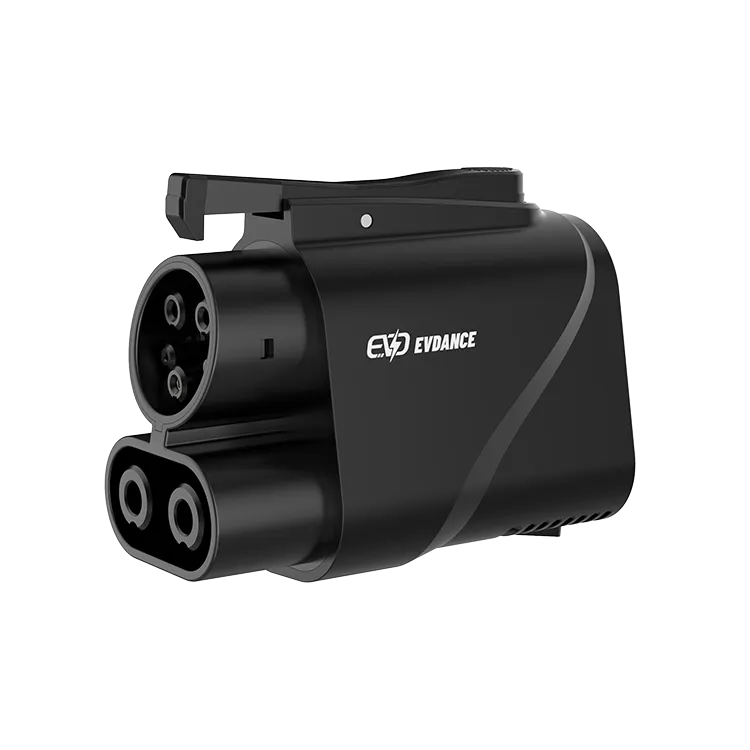
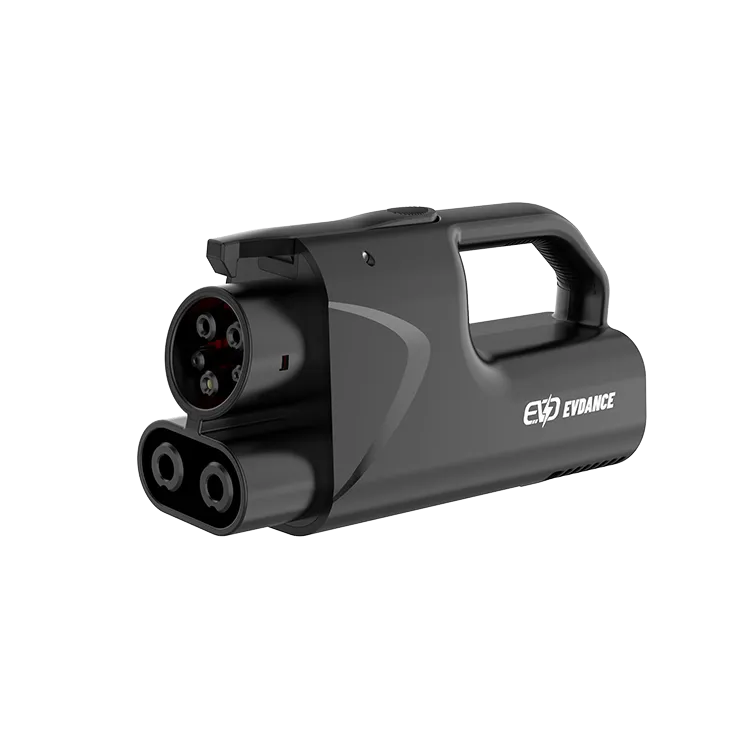
The JT08 and JT09 are NACS-to-CCS1 DC adapters rated up to 500 A with IP66 protection; the JT09 adds a handle. Use them only where your automaker approves and the station is open to your vehicle.
Frequently Asked Questions
Do non-Tesla drivers pay more at NACS fast chargers?
Sometimes. Non-member rates can be higher than member or subscriber rates. Check the app for current prices.
Where can I see the price before charging?
In the charging network’s app, for the specific site and your account type.
Is fast charging more expensive than home charging?
Usually. Home charging at average residential rates costs less per kWh than most public DC fast charging.
Related Reading
- Why Is DC Fast Charging So Expensive?
- How Much Do EV Charging Stations Charge? Pricing Models Explained
- How Much Does It Cost to Charge an Electric Car at Home?
- Can I Use a Tesla Charger for Other Cars?

