
Neither listing states a registration step, and EVDANCE’s stated term is its 3-year standard warranty, running from purchase. So a claim years later runs on day-one records: the receipt, delivery photos of both interfaces, the unit’s markings copied exactly as they appear, the maker guidance you relied on, and a dated first-session line. Record those five, and the warranty stays usable.
Key Takeaways
- No registration step is stated; the 3-year term runs from purchase — the receipt is the key document.
- Record five things on day one: receipt, both interfaces, the markings as printed, the maker-approval note, the first session.
- An adapter has no installation record — its file is the substitute, and the approval note is the row no charger needs.
- Records support a claim; they do not widen one. Damage is not a defect, and a damaged adapter is retired.
No Registration: the Clock Starts at Purchase
The search usually assumes a form somewhere that switches cover on. For these adapters, none is stated — cover runs on the purchase and its proof. If your seller offers its own registration process, keep its output in the same file — alongside the purchase proof, never instead of it. The manual and terms sheet in the box belong in the file too: a claim is read against their wording.
The Record Set for a DC Adapter
| Record | How to capture it | What it establishes later |
|---|---|---|
| Receipt or order confirmation | Save the file and the email; photograph a paper receipt | The purchase date the term runs from, and the seller a claim starts with |
| Both interfaces as delivered | Close photos of both contact faces, before first use | The baseline for later wear-or-damage questions about the surfaces that carry the session |
| The unit’s markings | Photograph the label; copy its text exactly as printed | Which exact unit a conversation is about — from the photo, not memory |
| The approval note | A dated copy of your car maker’s current third-party DC adapter guidance for your car | That the adapter was used inside the conditions its approval depends on |
| The first session | One dated line: site and network, car, session ran normally | Proof it worked as delivered; a reference point for any change |
Why an Adapter’s File Differs
A wallbox generates paperwork by existing — an installer’s invoice, a fixed address. An adapter generates none of that.
It travels in the car, works at many sites, and its working surfaces are exposed contact faces handled every session — which is why the delivery photos concentrate on the interfaces, not the whole unit.
One row has no charger equivalent: the approval note. These adapters are only ever used under someone else’s permission — your car maker’s approval, on a network open to your car. If a claim asks whether the unit was used as intended, the dated note answers — captured when current, not reconstructed later. Warranty terms generally are worked through in our guide to which EV charger has the best warranty.
Damage Is Not a Defect
Keep the boundary straight: a warranty covers defects. A unit dropped on concrete, driven over, or cracked by a forced connector is damage — and damage is not made a defect by good paperwork. The actual terms are the seller’s and EVDANCE’s documents — your file supports a claim within them, never widens them, and no record set promises an outcome or timeline. The records remove the archaeology: dates, faces and markings from day one, not memory years later. A visibly damaged DC adapter is retired, never repaired at home. The seller-side checks are set out in the warranty and after-sales checklist.
The Adapters These Records Belong To
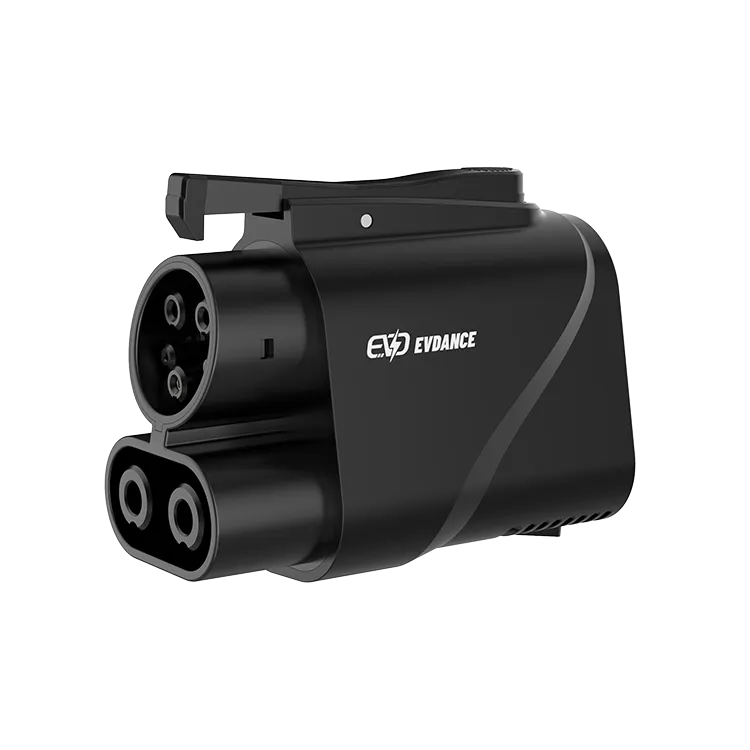
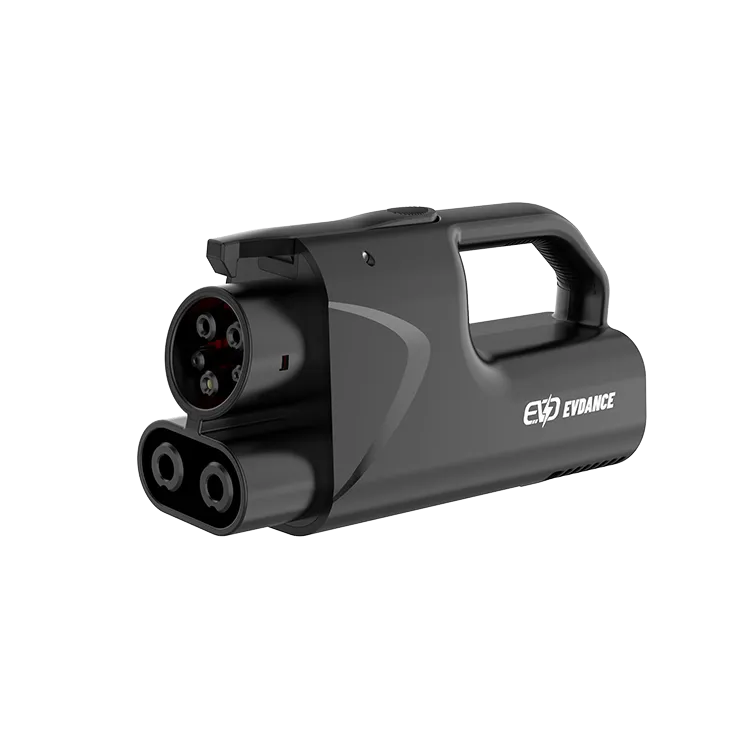
The EVDANCE JT08 (handleless, up to 500 A / 1000 V, IP66) and the EVDANCE JT09 (with handle, up to 500 A, IP66) are NACS-to-CCS1 DC adapters in the 250 kW family, used only with maker approval at a station open to the car. EVDANCE (Shenzhen, founded 2011) carries a 3-year standard warranty. A claim starts with your seller, or EVDANCE via the contact page — the first things either asks for are the records above.
Frequently Asked Questions
Do I need to register my JT08 or JT09 to activate the warranty?
None is stated for either adapter. The 3-year standard warranty runs from purchase, so the receipt is the activation document — keep it, plus anything your seller’s process gives you.
What exactly should I photograph on delivery day?
Three things: both contact faces as they arrived, the whole unit, and its label and markings. Add the approval note and a one-line first-session record — file complete.
I dropped the adapter and cracked the housing. Is that a warranty claim?
No — damage, not a defect, sits outside what a warranty covers; the seller’s terms rule any specific case. Stop using a cracked DC adapter either way: a damaged unit is retired, not repaired.
Related Reading
- Which EV Charger Has the Best Warranty?
- EV Charger Warranty and After-Sales Terms: A Distributor’s Checklist
- Are EV Charging Adapters Safe?

