
A trade show does not launch a charger brand by itself. It compresses a season of first meetings into a few days, and what turns those days into a launch is work in three phases: the samples and documents chosen before, the buyer requirements captured during, and the follow-up sent after, while the conversations are still warm. Skip any phase and the booth becomes an expensive backdrop.
Key Takeaways
- A show compresses first meetings; the launch is the preparation and follow-up around them.
- Take samples you can supply, with documents behind them — buyers test what they take home.
- Capture each buyer’s requirements in writing at the booth; answer only from the evidence pack.
- Follow up inside your own set window, sending exactly what each conversation promised.

Three Phases, One Launch
| Phase | Decisions to close | What it produces |
|---|---|---|
| Before | Which models carry the launch; which claims the stand makes | A sample set you can actually supply, with an evidence pack per model |
| During | Every conversation ends with the buyer’s requirements captured | A log of markets, specifications, volumes and decision routes |
| After | Follow-up sent inside a window you set yourself | The promised documents and sample terms, in writing, per buyer |
Before: Samples and the Evidence Pack
Take the models the launch is about, in the configurations you can supply. A booth sample is a selected unit, and serious buyers test what they take home — our guide to testing a charger sample before a bulk order shows the scrutiny to expect. Send production-representative units, and settle sample terms — who keeps the unit, what testing it undergoes, how it comes back — in writing before the show, not at the booth.
The evidence pack follows the same discipline as a tender pack: one pack per model, holding the datasheet for the exact variant on the stand, the certificates naming that model, and the warranty terms in full. The demo decision belongs here too: a unit runs live only where the venue supply and a licensed installation make it a real installation; otherwise units are display-only and labelled as such — the written discipline a showroom demo already follows.
During: Capture Requirements, Not Business Cards
Prepared buyers arrive with a fixed specification and the same question sheet for every exhibitor. Your side of the booth needs the mirror discipline: a capture sheet for every serious conversation, covering:
- The buyer’s market, and the certification that market requires.
- Connector, power level and configuration they are sourcing.
- Own brand, private label or distribution — which route they are on.
- Volume shape and timing, as they state it.
- Who decides, and what the next step is.
Staff answer only from the listings and the evidence pack. A figure the documents do not give is answered honestly — “we confirm that in writing” — and the promise itself is logged.
After: Follow-Up Decides Whether It Was a Launch
Sort the log the same week, and send exactly what each conversation promised: the documents for the exact model discussed, sample terms in writing, and answers to the questions captured. Set your response window before the show and judge yourselves against the log afterwards; reply speed and consistency with the booth conversation are what buyers score. Nothing promised at the booth is invented afterwards — if a document does not exist, say so and give the route to obtaining it.
The EVDANCE Example
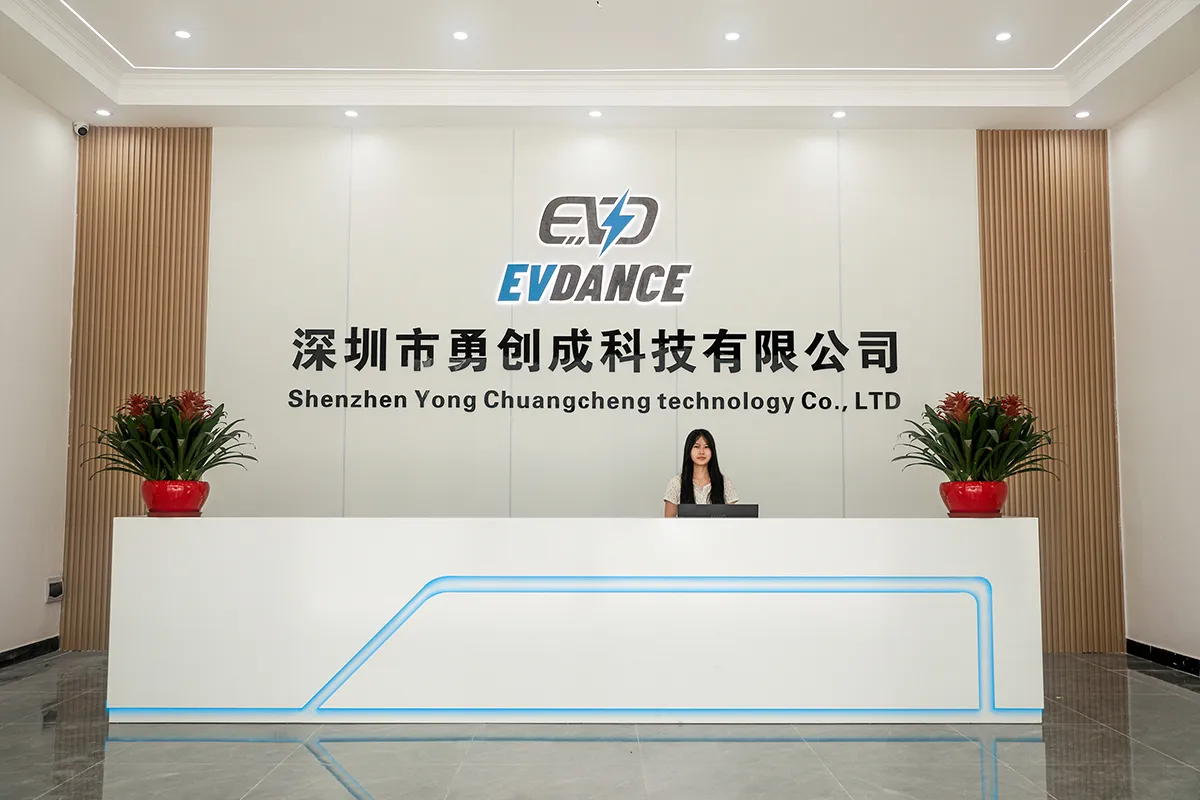
EVDANCE exhibits as what it is: a Shenzhen manufacturer founded in 2011, with its own factory and exports to more than 30 countries. A launch-ready stand from its range pairs the EV-ACT3204PE — 22 kW three-phase, Type 2 in tethered-cable version, RFID and app, IP66, CE and RoHS — for commercial buyers with the portable line for retail channels. Brands launching their own name start from the private-label programme, from 50 units; meetings and sample requests are arranged through contact us, and judged by the same evidence standard as any other exhibitor’s.
Frequently Asked Questions
How much does exhibiting cost?
It varies too much by show, stand size and services for any figure here to be honest. Budget from the organiser’s current rate card and your own stand-build and freight quotes — and keep follow-up hours in the same budget. A booth without them is the expensive version.
Should booth units be powered?
Only as a real installation: a proper supply, fitted by a licensed electrician. Otherwise run display-only and label the units as display, so no visitor expects a live charging session.
What should the follow-up contain?
Exactly what the conversation promised: documents for the exact model discussed, sample terms in writing, and answers to the questions you captured — sent inside the window you set before the show.
Related Reading
- EV Charger Factory Audit Checklist for Importers
- How to Test an EV Charger Sample Before Placing a Bulk Order
- How to Find EV Charger Distributors and Installers to Sell To
- EV Charger MOQ Explained: What Sets Minimum Order Quantities

