
Yes, EV batteries are expensive — a replacement pack is the costliest single part of the car, which is exactly why the battery-size choice on a new EV matters. Most models offer a standard-range and a long-range pack, and the price gap is largely the price of extra battery. The right size is set by your longest regular day and by where you charge, not by a trip you might take once a year.
Key Takeaways
- The battery is the expensive part of an EV, so pack size is the big money choice at purchase.
- Size the pack to your longest regular day with margin — not to a rare annual trip.
- Reliable home charging makes the standard-range pack enough for most households.
- Cost per mile and home charging speed barely change between the two sizes.

What the Extra Money Actually Buys
The two versions of a model are usually the same car with a different amount of stored energy. The long-range pack holds more kilowatt-hours, so it drives further between charges. It does not make the car cheaper to run per mile or different to own day to day. It also weighs more, because more cells are more mass, and takes longer to fill from empty at the same charger. Understanding how an EV battery degrades over time matters here: range eases down slowly with age, so the brochure figure is the best the car will ever show.
Test One: Your Longest Regular Day
Forget the annual road trip. Add up the longest day you actually drive in a normal week or month — commute, errands, a regular visit — and compare it with the smaller pack’s rated range, leaving a margin for cold weather and motorway speeds, which both trim real range:
| Your pattern | Standard-range usually enough | Long-range worth pricing |
|---|---|---|
| Daily driving | Well inside the smaller pack’s range, with margin | Regular days approach the smaller pack’s limit |
| Charging access | Home or workplace charging you control | You rely on public chargers and cannot plug in daily |
| Long trips | A few a year, on routes with fast chargers | Frequent long days where a charging stop costs real time |
| Ownership plan | You change cars every few years | You keep cars long-term and want a buffer as range eases down |
Test Two: Where the Car Sleeps
Charging access quietly decides this question. A car that plugs in at home every night starts each morning full, so its pack only has to cover one day at a time — for most households a short distance, and the smaller pack is never the limit. The U.S. DOE’s AFDC guidance on charging an EV at home makes the same point: match the setup to daily driving, not to total battery size. Without home charging the calculation flips: a bigger pack means fewer public sessions each week and more freedom in when you make them.
What the Bigger Pack Does Not Change
- Cost per mile. Electricity is bought by the mile you drive, not by the size of the tank. At the U.S. average residential price of 18.31 cents per kWh, both versions cost almost the same to run; the heavier car uses slightly more energy per mile.
- Home charging speed. Your charger delivers the same kilowatts to either pack. The bigger pack takes longer to fill from empty, but a normal night replaces a normal day’s driving in the same few hours for both.
Charging Either Size at Home
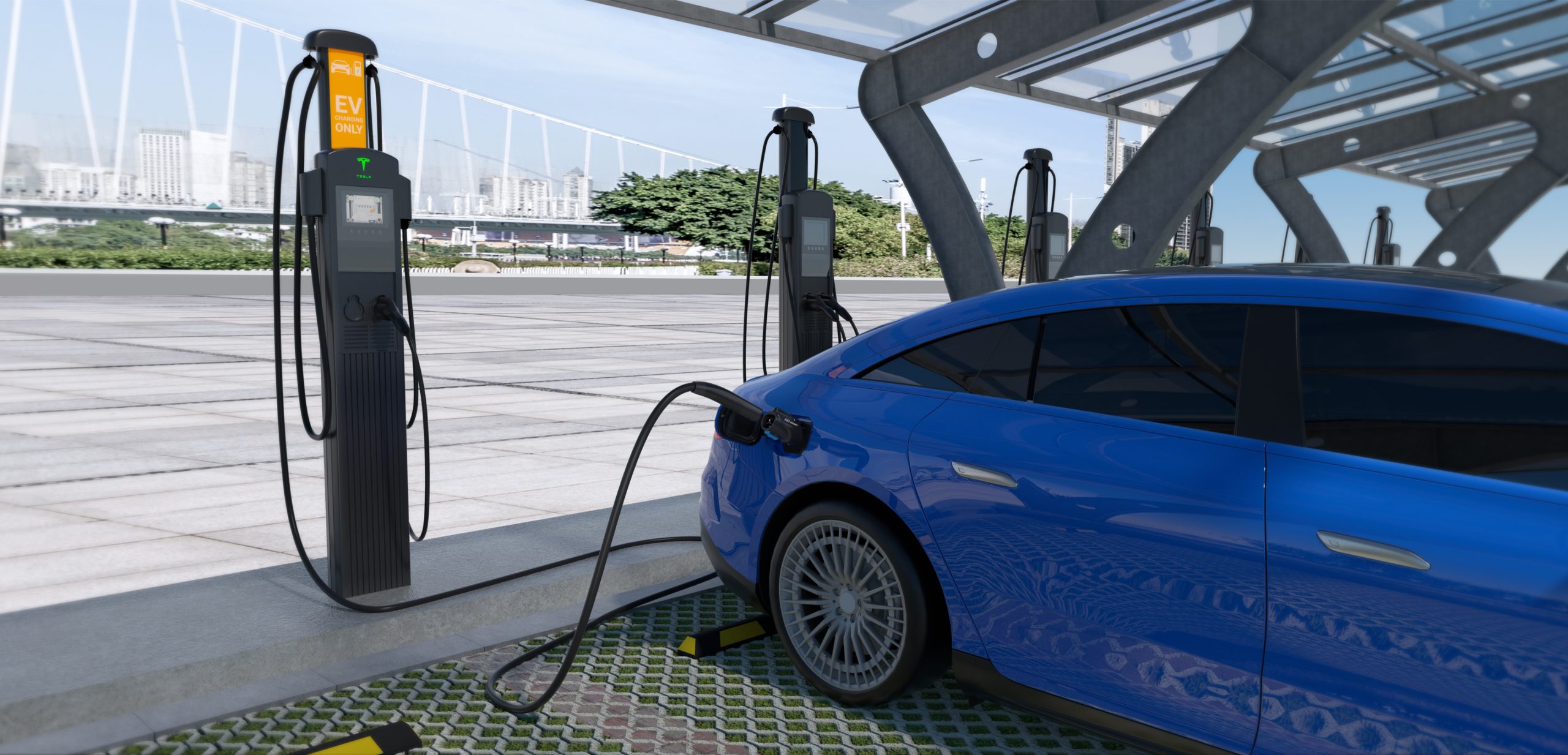
Whichever pack you choose, the daily routine is the same. A large pack is comfortably refilled overnight by the EVDANCE EV-ACT5006T 48A Level 2 wall charger (hard-wired or NEMA 14-50P, NACS, 25 ft cable), while the EV-ACS4005T 40A NACS portable charger (9.6 kW, NEMA 14-50P, IP66) covers the same job without a fixed installation. Our residential charging solutions page lays out the home options. Reliable home charging usually improves daily life more than capacity that sits unused.
Frequently Asked Questions
Can I upgrade to the bigger battery later?
Not as a routine option. Packs are built for a specific model, and replacement is a major workshop job rather than an upgrade path — see whether an EV battery can be replaced or repaired. Choose the size as if it is permanent, because it effectively is.
Does a bigger battery wear out more slowly?
For the same daily miles it works through a smaller share of itself each day, which is gentler duty. That is a tendency, not a promise — how a pack ages is something you monitor, as our guide to checking EV battery health explains.
Is the long-range version the safer choice if I am unsure?
Only if the price gap is small against your budget and your charging access is poor. If you can charge at home, the standard-range car plus the money saved is usually the better allocation — the gap also buys the home charger that makes either car easy to live with.
Related Reading
- Can an EV Battery Be Replaced or Repaired?
- Does an EV Battery Degrade Over Time?
- How to Check EV Battery Health

