
Starting an EV charger distribution business in the Philippines is a logistics design problem before it is a sales problem. The country is an archipelago, so every charger you sell creates a service commitment on the island where it is installed — and parts, people and failed units all cross water to honour it. The workable build puts first-fix spares and trained partners on the islands you sell into, and batches warranty movements onto scheduled freight legs.
Key Takeaways
- In the Philippines, distribution is designed around water: plan service territories by freight leg, not by map distance.
- First-fix spares and a swap unit belong on each island you sell into; depth belongs at the main warehouse.
- Warranty calls travel as a route — local diagnosis, local restoration, batched returns, document-based claims.
- Importer, conformity and installation confirmations are written items, closed before the first shipment, as of October 2026.
One Country, Several Service Territories
Treat each island group you serve as its own service territory. A charger two hours away by road is a same-day service call; the same charger across a strait is a shipping schedule, a courier chain and a customer waiting with a dead unit. Plan territories by the freight leg, not map distance: which port stock enters through, which islands partners can reach with parts in hand, and which areas you honestly cannot support yet. Selling into an island you cannot service is how a new distributor buys its first bad reputation. Grow island by island — the discipline our guide to building a profitable distributor product line applies to the range itself.

Where Spare Parts Should Sit
The rule for an archipelago: a part that can strand a charger should already exist on its island. Centralising every spare in one mainland warehouse means every failure waits on a boat or a flight.
| Stock point | What it holds | Why it sits there |
|---|---|---|
| Main warehouse | The full range, slow-moving parts, warranty return units awaiting batch shipment | Depth and paperwork live here; it feeds the island points |
| Island partner stock | First-fix parts and one swap unit per model sold on that island | A partner who can fix or swap on the spot keeps the charger alive while paperwork travels |
| Installer kit | Consumables, connectors and the parts a first visit usually needs | Most calls should end on the first visit |
How a Warranty Call Travels
Design the claim as a route, not an event:
- Local diagnosis first. The island partner records model, serial, site and symptoms, with photos — the evidence set our spare parts and RMA guide itemises.
- Swap or fix from island stock. The customer’s site is restored before any unit moves; uptime is protected locally, not by freight speed.
- Failed units travel in batches. Returns ride the next scheduled freight leg to the main warehouse, where the claim is assembled under the manufacturer’s terms in our distributor warranty checklist.
- Promise per territory. Quote response expectations per island, from the freight legs you actually run.
Confirmations Before the First Shipment
Three written confirmations sit under the business, obtained as of October 2026 rather than assumed: your importer-of-record arrangement; each model’s conformity route, confirmed with the national standards and conformity authorities for the exact units imported; and the installation-side position — who may install fixed chargers and what sign-off a site needs — confirmed with the relevant licensing authority. How another market sequences the same checks is shown in our guide to importing EV chargers into the US.
Building the Business With EVDANCE
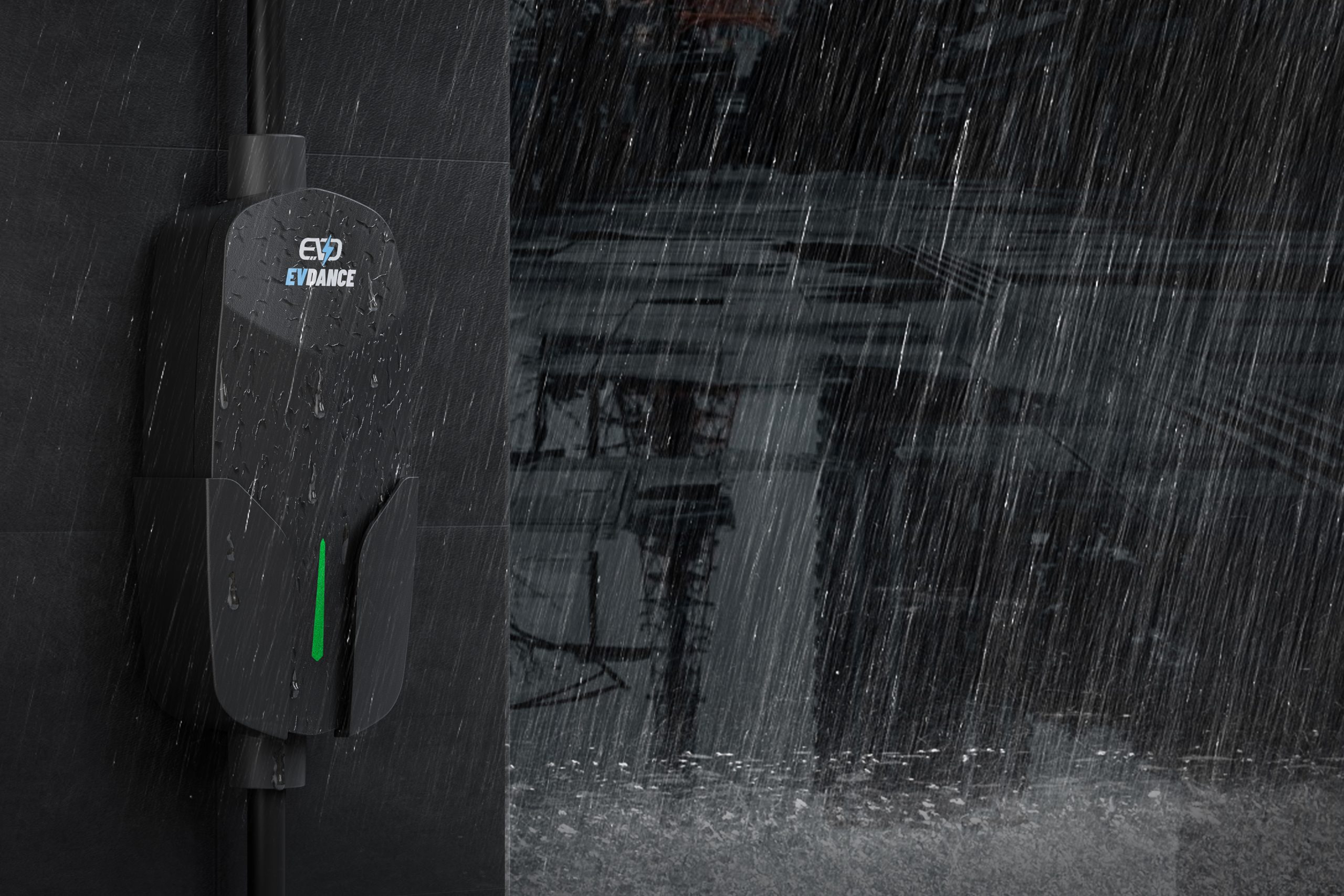
EVDANCE is a Shenzhen manufacturer founded in 2011, exports to more than 30 countries, offers private label from 100 units and provides a 3-year standard warranty — the factory terms your island service promise is built on. Start through the distributor program: bring your territory map — which islands, which partners, where spares will sit — via contact us, and the range can be matched to it.
Frequently Asked Questions
Do I need a warehouse on every island?
No — you need first-fix capability on every island you sell into: a trained partner holding common parts and a swap unit for the models installed there. Full depth stays at one main warehouse replenishing the island points on scheduled legs.
What happens when a charger fails on another island?
The local partner restores the site from island stock; the failed unit travels back with the next batch of returns. The claim is settled on documents and serial records, not on how fast one unit can cross water.
Can one agreement cover the whole country?
Territory is whatever the agreement says, but service coverage is separate from sales rights. Take licensing and conformity scope to local counsel, and only claim territories your logistics can serve.
Related Reading
- EV Charger Spare Parts and RMA Process for Distributors
- How Distributors Can Build a Profitable EV Charger Product Line
- EV Charger Warranty and After-Sales Terms: A Distributor’s Checklist
- How to Find EV Charger Distributors and Installers to Sell To

