
Importing EV chargers into the Philippines is decided at a gate that sits before the order, not at the port. Two questions make up the gate: is your importing entity accredited to bring this product class in, and will the conformity body accept this exact model’s evidence? Close both in writing first. Customs clearance afterwards is mechanics your broker runs — and as of October 2026, every Philippines-specific answer at the gate is a confirmation, not an assumption.
Key Takeaways
- The Philippines import is decided at a pre-order gate: importer accreditation plus conformity acceptance for the exact model.
- Both answers are written confirmations — accreditation via your broker, acceptance via the conformity body — closed before production.
- Clearance afterwards is broker mechanics; stalls trace back to gate items left open.
- Adding a model reopens the conformity half of the gate, even when accreditation stands.
Gate Question One: Is Your Importer Accredited?
The entry needs a local importing entity that answers for the declaration, and for regulated product classes that entity typically has to be accredited for the category — confirm what applies to yours, via your customs broker, before the purchase order exists. The questions to close:
- Does the accreditation cover this product class, or is it general trading cover that stops at regulated goods?
- Is it held by the importer as a standing status, or does anything attach per shipment?
- Who is named as importer on the entry — decisive on delivered terms, where the seller ships but cannot hold your local status. Our FOB vs DDP comparison shows how the Incoterm moves these duties.
An unaccredited route does not fail loudly at order stage; it fails at the port, goods already made. That is why accreditation is a gate question, not a shipping detail.
Gate Question Two: Will This Model’s Evidence Be Accepted?
Conformity is asked about the exact model and variant you will ship. Ask the national standards and conformity body — through your importer — which evidence the model needs, which test reports are accepted toward it, and whether conformity is settled before import or verified on arrival: the two routes order the paperwork differently, and your production schedule depends on which applies. Fix, in the same exchange, what the rating label and manual must show, including language — both are printed at the factory. For private-label goods, ask whose name the evidence stands in: certificate ownership matters at reorder time. Background on the marks is in our certifications overview; acceptance is confirmed locally.
The Gate Checklist
| Gate item | Ask whom | Needed before |
|---|---|---|
| Importer accreditation for this product class | Customs authority, via your broker | The purchase order |
| Conformity route for the exact model, incl. marking and manual | National standards and conformity body, via your importer | Production starts |
| Classification and duty | Your customs broker | You price the landed cost |
| Installation and sign-off rules | Energy regulator or licensing authority, via your installer | The first site is promised |
After the Gate: Clearance Is Mechanics
With the gate closed, the broker’s sequence is ordinary: invoice, packing list and certificate of origin, filed under the classification the broker confirmed, with model identity matching the conformity file exactly. Duty is the broker’s figure for your shipment — never a rate budgeted from another market. When shipments stall, the cause is almost always a gate item left open, not the filing itself. Our guide to importing EV chargers into the US shows the same order elsewhere: conformity first, port second.
Ordering From EVDANCE for the Philippines
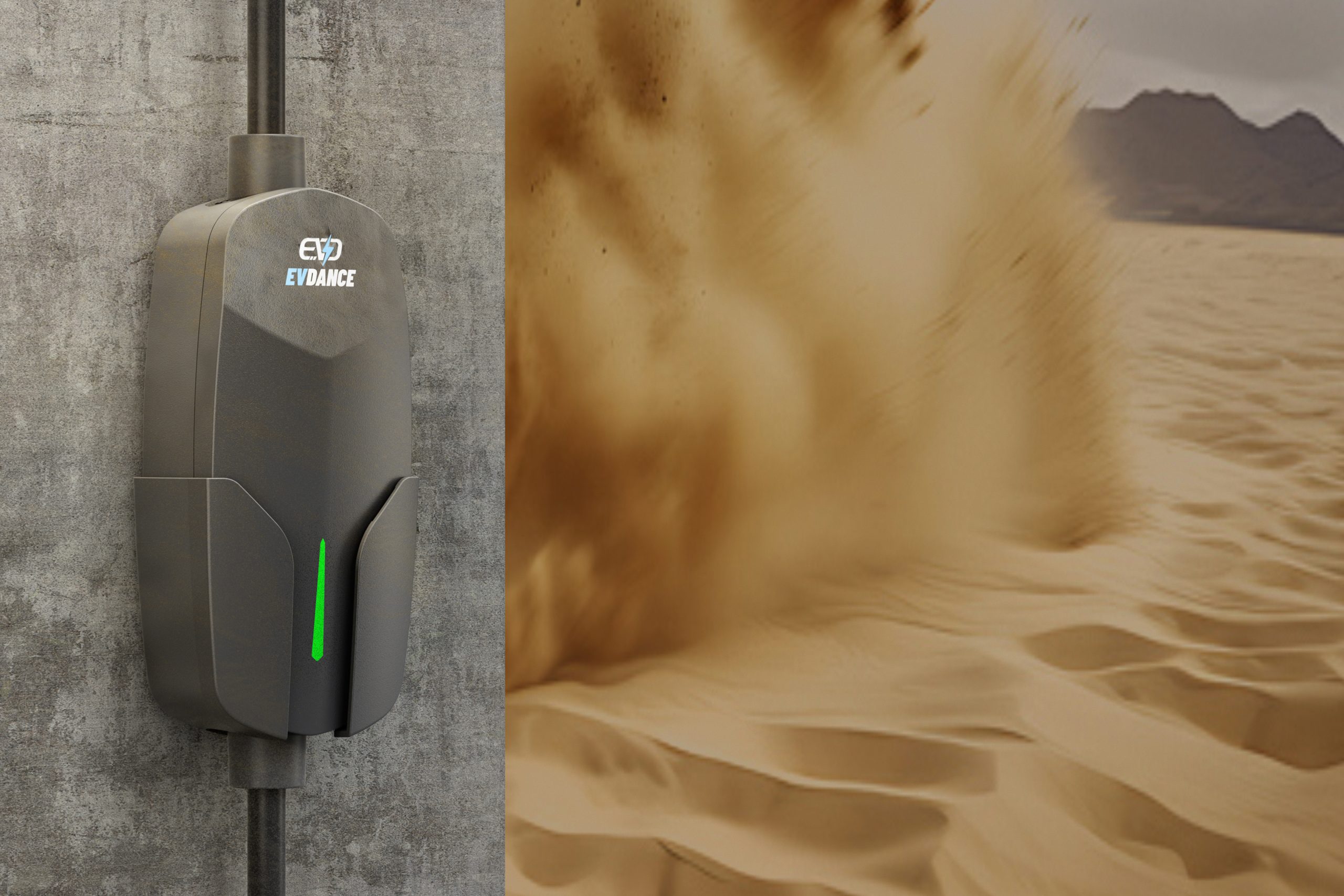
EVDANCE is a Shenzhen manufacturer founded in 2011, exporting to more than 30 countries, with private label from 100 units and a 3-year standard warranty. For a Philippines order, ask at quotation stage for the evidence pack for the exact models you plan to import — test reports, certificates and the technical file — so your importer puts gate question two to the conformity body against real documents. Browse the product range, start through the distributor program, and send the gate questions via contact us.
Frequently Asked Questions
Can the supplier ship directly to my customer in the Philippines?
Shipping is not importing. The entry needs an accredited local importer of record named on the declaration — under delivered terms, ask in writing who it is.
My model already holds certificates for other markets. Does that settle conformity?
It settles the evidence, not the acceptance. Whether those reports are accepted for the Philippines, and whether anything must be verified locally, is gate question two — answered in writing before production.
What changes if I add a second model later?
The gate partly repeats. Accreditation may stand unchanged, but conformity is per exact model and variant: the new model goes through gate question two on its own evidence, label and manual confirmed before production.
Related Reading
- EV Charger Certifications Explained: CE, UKCA, UL, ETL, CB and What Buyers Should Ask For
- Importing EV Chargers Into the US: Customs, HTS and Section 301
- FOB vs DDP: How to Import EV Chargers From China Without Surprises
- Who Owns the Certificate in a Private-Label EV Charger?

