
A quote is only “too good to be true” against your own comparable quotes for the same written specification — no universal threshold price exists. The warning sign is not the low number; it is what happens to the paperwork afterwards: scope shrinking between the quote and the proforma invoice, specifications drifting, certificates covering a different model, inspection pushed aside, and payment terms demanding everything up front. Those five signs, in the documents, are what this article teaches you to read.
Key Takeaways
- “Too low” is judged against your own like-for-like quotes, never a universal threshold.
- The five document signs: scope shrinkage, spec drift, certificate scope mismatch, blocked inspection, pressure payment terms.
- One sign can be innocent; several at once, with shifting explanations, is the pattern that stops an order.
- The proforma invoice, compared line by line with the quote, is where problems surface first.
First, What an Honestly Low Quote Looks Like
Low quotes have legitimate explanations. A supplier may already hold certification for your exact configuration, so no new testing cost lands on your order. The model may be a standard build held in stock, or genuinely simpler than rival offers. As our breakdown of what drives the unit cost of an OEM EV charger shows, identifiable parts and processes set the floor, and a supplier who can name them can explain a low price. The red-flag pattern is the opposite: a price that cannot be explained, attached to documents that keep changing.

The Five Signs, in the Paperwork
| Sign | How it shows up | What to do |
|---|---|---|
| Scope shrinkage | Items promised in the quote quietly drop out of the proforma invoice — shorter cable, no mounting kit, standard packaging | Compare the PI against the quote line by line before any deposit; require the quoted scope in writing |
| Spec drift between quote and PI | The model code, current rating or protection features on the PI no longer match the quoted datasheet | Freeze the specification as a contract annex; treat any change as a re-quote, not an edit |
| Certificate scope mismatch | The certificate or report supplied covers a different model, variant or rating than quoted | Ask for the document for the exact quoted model; check it with the issuer before production |
| Inspection refused or postponed | Third-party pre-shipment inspection is resisted, or scheduled only after the balance payment | Write the inspection right and timing into the contract — before final payment |
| Pressure payment terms | Full prepayment demanded before documents or a PI exist; the beneficiary changes late | Stage payments against documents and milestones; confirm the beneficiary matches the contracting company |
No single sign proves bad faith — each can have an innocent explanation, given in writing. The pattern that should stop an order is several signs at once, with explanations that keep changing.
How to Test a Suspicious Quote
- Re-issue the identical specification. Send the same written spec to every supplier, so a low outlier is measured against true like-for-like offers.
- Demand the PI early. Drift and shrinkage appear at the proforma invoice; ask for it before the deposit and compare line by line.
- Ask the certificate question. Request the certificate and test report for the exact quoted model, and verify them with the issuing body (see our overview of EV charger certifications).
- Test the sample against the paper. A sample matching the datasheet, quote and PI is the physical half of the check (see our guide to testing a charger sample before a bulk order).
- Keep the exit cheap. Until the documents align, keep deposits staged and inspection rights intact, so walking away costs time, not the order value.
How EVDANCE Quotes
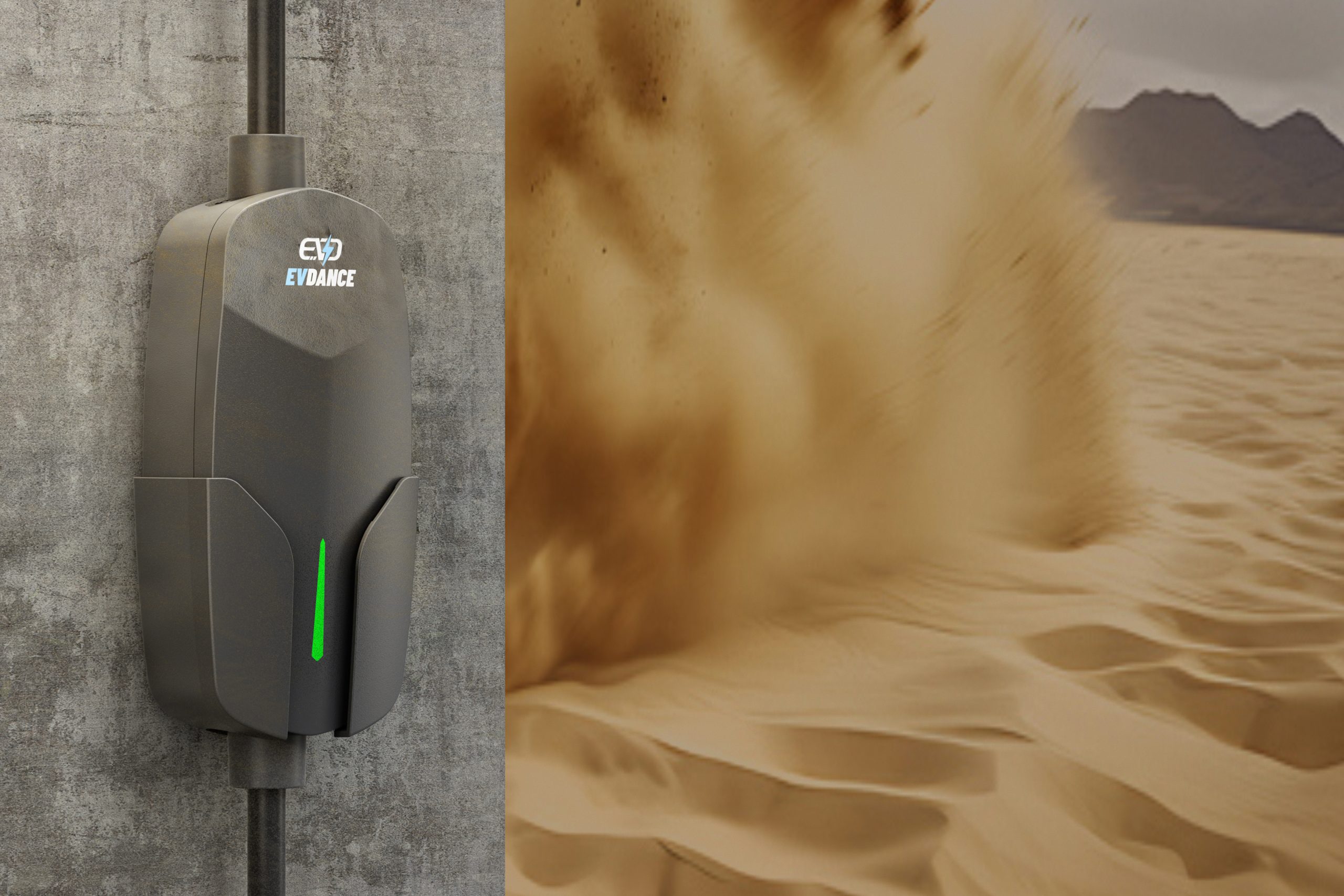
EVDANCE is a Shenzhen EV charger manufacturer founded in 2011, exporting to more than 30 countries, with private label from 100 units and a 3-year standard warranty. Our quotes are written against your specification — for example the EV-ACS4005T (9.6 kW, NEMA 14-50P, adjustable 16/24/32/40 A, IP66) — with model, cable and scope stated on the quote itself. Send your specification through our contact page or the resellers and distributors program — and hold us to the five signs above.
Frequently Asked Questions
Is the lowest quote always a trap?
No. A low quote with an explainable cost story, stable documents and a certificate covering the exact model is simply competitive. The trap pattern is a low price plus paperwork that shrinks, drifts or cannot be verified.
Which single document reveals the most?
The proforma invoice, compared line by line with the quote. Shrinkage and drift surface there first — while there is still time to act.
What if a supplier refuses third-party inspection?
Treat the refusal itself as information. Pre-shipment inspection is routine protection on larger orders (see our guide to pre-shipment inspection and AQL sampling). A supplier refusing inspection before final payment asks you to carry the risk the inspection exists to remove.
Related Reading
- What Drives the Unit Cost of an OEM EV Charger
- How to Test an EV Charger Sample Before Placing a Bulk Order
- How to Choose a Portable EV Charger Supplier: A B2B Checklist for Importers

