
A “right to charge” law is a state or local law that stops a landlord or homeowners association from flatly refusing a renter an EV charger in their parking space. Instead, the law usually gives the tenant a conditional yes: install at your own cost, under rules the landlord can still set. There is no single national version — each is written by the place that passed it, and many places have none.
Key Takeaways
- A right to charge law limits outright refusals; it does not remove the application, conditions, or tenant’s costs.
- These laws are state or local texts — whether one exists, and what it says, is decided where you live.
- Typical conditions still allowed: tenant pays, licensed install, listed equipment, insurance, assigned space only.
- Read the statute itself, then ask in writing with a complete application.

What Laws of This Type Generally Do
The exact wording differs from place to place, but laws of this type share a common shape. Read this table as the shape of the type, not as the rule where you live:
| Element | What it typically does |
|---|---|
| Limits an outright refusal | The landlord or association cannot refuse just because the request is for a charger; a refusal must rest on grounds the law allows |
| Keeps a written process | The tenant still applies in writing and waits for consent — it rarely means “install first, ask later” |
| Puts the cost on the tenant | Hardware, installation, electricity and removal stay with the person who asked for the charger |
| Protects the property | The landlord can require a licensed installer, permits, and listed equipment |
| Applies where it was enacted | It covers only the state or locality that passed it — a neighbouring state may differ, or have none |
Conditions a Landlord Can Usually Still Set
A right to charge is not a right to install anything, anywhere. These laws typically still let the owner require:
- The tenant pays. The charger, the electrician, the electricity it uses, and restoring the space when the tenant leaves.
- A licensed, permitted install. Work by a licensed electrician, with a permit where the code requires one. EV charging is a continuous load, so the circuit is sized at 125% of the charger’s current under the NEC rule (40 A of charging on a 50 A breaker).
- Listed equipment. A charger with a recognised safety listing, of a type the owner approves.
- Insurance. The tenant may have to carry liability cover for the installation, as law or lease sets out.
- The assigned space only. The right normally attaches to the parking space the tenant already rents, not to other common areas.
How to Check Whether One Covers You
- Find the actual text. Search your state’s legislature site for EV charging or “right to charge” provisions, and use the DSIRE database as a starting point for state EV policies. A summary is not the law; the statute is.
- Read your lease against it. Note what the lease says about alterations and parking, then see which document prevails where you live.
- Ask in writing anyway. A written request — charger model, electrician’s details, who pays for what — is still what gets a project approved: the same practical ground our guide to charging an EV in an apartment works through.
- Take local advice if you are refused. This article explains a type of law; only your text, read by a local adviser, says what it requires of you.
Chargers That Fit the Renter Situation
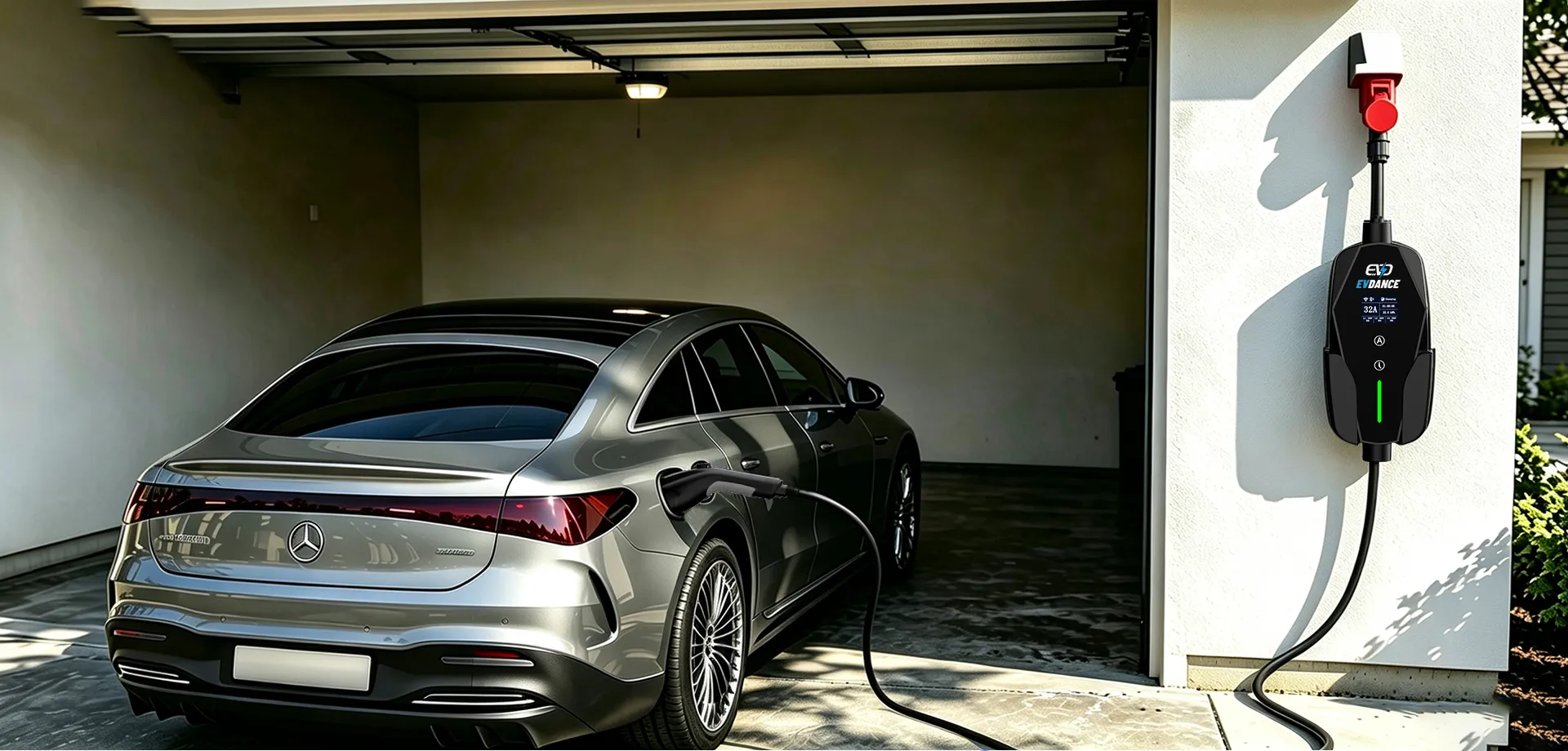
Where consent covers a permanent install, a wall charger such as the EV-ACT5006T (up to 48 A, hard-wired or NEMA 14-50P, NACS, IP65/IP66, ETL/FCC/CE) is the listed equipment an application describes. Where consent is limited or pending, a portable unit like the EV-ACS4005T (9.6 kW, NEMA 14-50P, adjustable 16–40 A, IP66) plugs into an existing outlet and changes nothing permanent — our overview of chargers for houses, rentals and condos compares the two routes.
Frequently Asked Questions
Does a right to charge law mean I can install without asking?
No. These laws normally keep a written application and consent step, with conditions attached. They limit a landlord’s power to refuse outright; they do not remove the process.
Does it cover shared apartment parking, or only a private driveway?
That depends on the text. Some laws speak to a tenant’s assigned or leased space, which can sit inside a shared garage; common areas the tenant does not rent are a different question. Read your law’s definition section first.
What if my state has no right to charge law?
Then the lease and your landlord’s consent decide, as for any alteration. A portable charger on an existing outlet, with written permission, is often the workable middle ground.
Related Reading
- How to Charge an EV When You Live in an Apartment
- Can I Have an Electric Car Charger at Home? Houses, Rentals and Condos
- Apartment and Condo EV Charging: Solutions for Shared Parking

