
CAN bus — short for Controller Area Network — is the wired data network a car uses to talk to itself. In EV charging it does two jobs. Inside the car, the battery management system and the onboard charger exchange messages over it. At a CHAdeMO DC fast charger, it is the language the car and the charger speak to each other. CCS chargers use a different language instead: powerline communication over the charging cable itself.
Key Takeaways
- CAN bus is the car’s internal data network; the battery system already speaks it.
- CHAdeMO uses CAN between car and charger; CCS uses powerline communication instead.
- DC charging needs a live data exchange because the station, not the car, does the converting.
- Compatibility means connector fit plus the same protocol family — an adapter cannot translate languages.
What CAN Bus Actually Is
CAN bus is not an EV invention. It is the shared wiring system modern cars have used for years so that dozens of control units — brakes, motor, battery, dashboard — can exchange short messages on the same pair of wires instead of each needing its own cable. Every unit can speak and every unit can listen, and each message is labelled so the right units act on it. For charging, the important point is simple: the parts of the car that manage energy already talk CAN, so charging hardware that needs the battery’s attention usually talks it too.
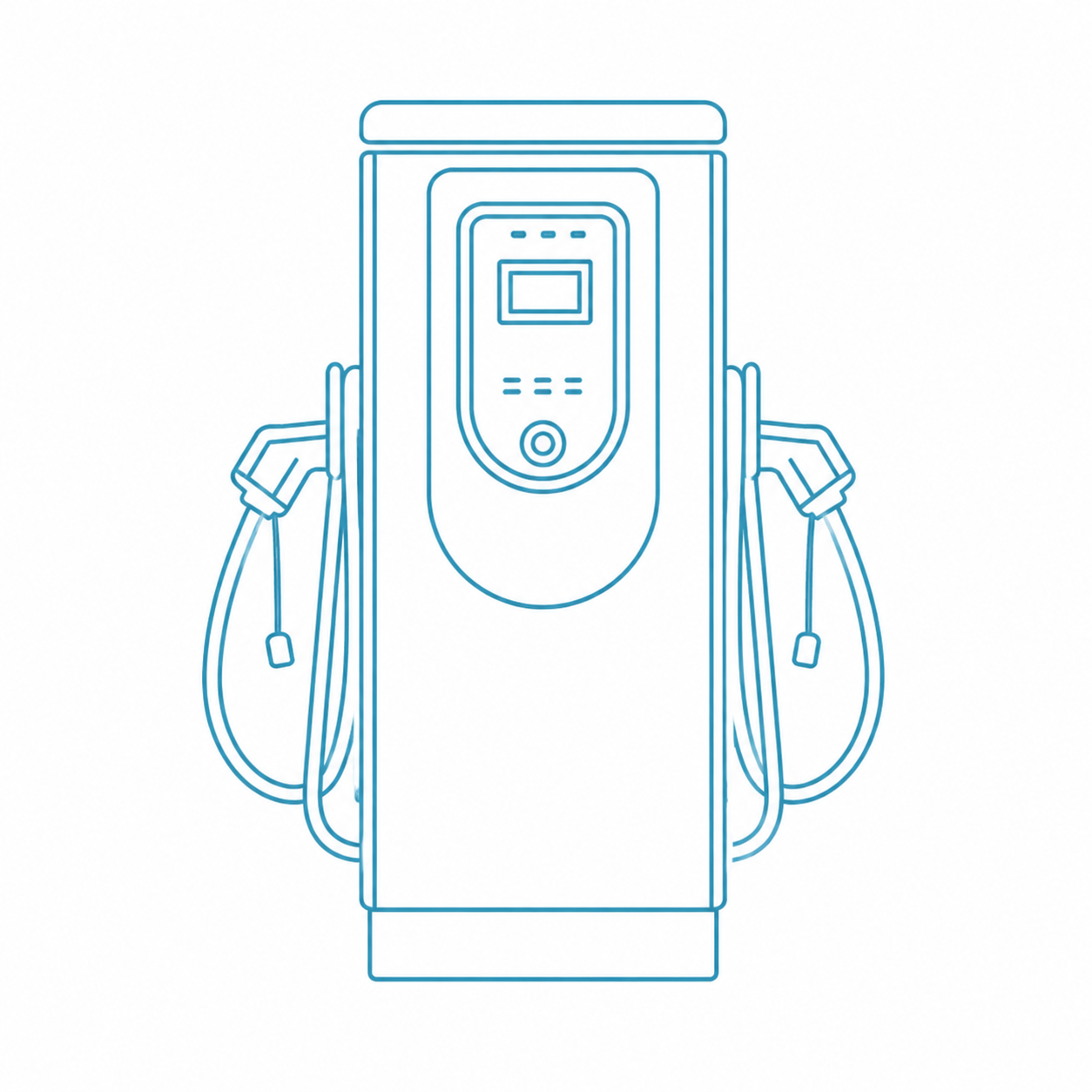
Where CAN Shows Up in a Charging Session
| Where | Who is talking | Language used |
|---|---|---|
| Inside the car, AC charging | Battery management system and onboard charger | CAN bus, inside the car |
| Home or public AC charger | Charger and car | A simple pilot signal that sets the current limit — not CAN |
| CHAdeMO DC fast charging | Car and charger | CAN bus messages over the connector |
| CCS DC fast charging | Car and charger | Powerline communication (PLC) over the cable |
| Charger to its network | Charger and operator systems | OCPP — a separate layer, nothing to do with the car |
Our explainer on how J1772 works with CCS covers the connector side of the CCS system, and the J1772 guide covers the AC plug itself.
Why DC Charging Needs a Conversation at All
AC charging is forgiving: the charger supplies AC power and the car’s own onboard charger converts it, following the battery’s instructions internally. DC fast charging skips the onboard charger, so the external station does the converting — and it must be told, continuously, what the battery can accept: the voltage window, the current limit right now, and when to slow down or stop as the pack fills and warms. That live exchange is why DC standards are built around a data link. It is also why an adapter cannot simply translate between systems: changing the plug shape does not change the language spoken through it.
What This Means When You Buy or Plug In
There is nothing to configure. CAN bus is part of the car’s wiring, and the DC standard a car speaks is fixed by its design. Compatibility is therefore two questions, not one: does the connector fit, and does the car speak the charger’s protocol family? A CHAdeMO car at a CCS post fails the second question even where an adapter could solve the first — which is why connector news and protocol support matter as much as plug shapes, and why the connector comparison by market treats them separately.
Chargers That Speak CCS
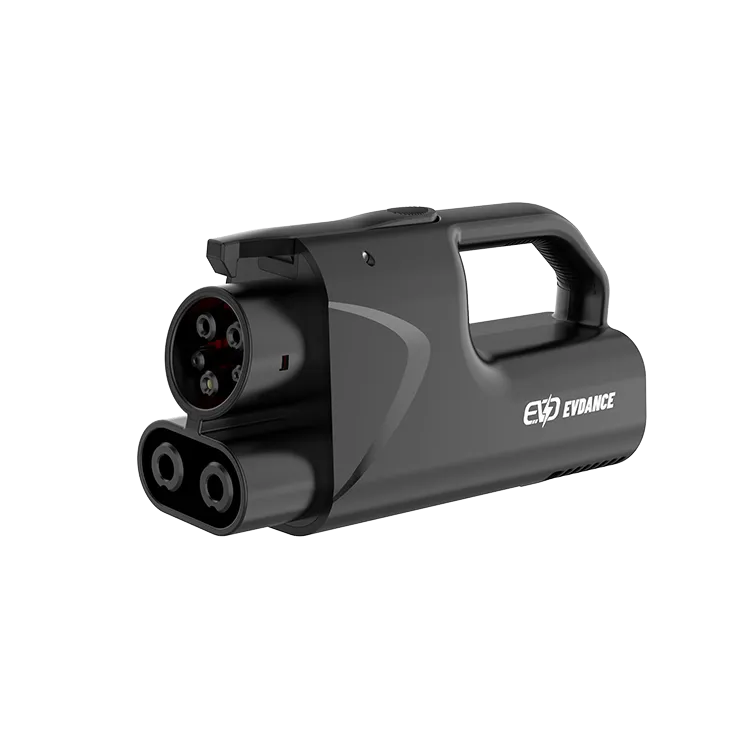
EVDANCE’s DC unit, the EV-RHDC30K-L compact DC fast charger (22 kW DC, OCPP 1.6J, IP54), speaks the CCS powerline language. The JT09 NACS-to-CCS1 DC adapter (up to 500 A, IP66) works within that same family, for cars and chargers it is approved for.
Frequently Asked Questions
Is CAN bus the same as the control pilot signal?
No. The pilot is a simple signal on AC charging that tells the car how much current it may take. CAN bus is a full data network carrying labelled messages between control units.
Does my home wallbox use CAN bus to talk to my car?
Almost certainly not on the cable — home AC charging uses the pilot signal. CAN is at work inside the car, between the battery management system and the onboard charger.
Can a CHAdeMO car fast-charge on CCS with the right adapter?
Not with a simple adapter. The connector and the communication system both differ. Only a manufacturer-supported solution should ever be used; check with the car maker.
Related Reading
- Does J1772 Work With CCS? CCS Connectors Explained
- What Is J1772? The North American EV Plug Explained
- Is the Tesla Charger NACS? NACS, J3400 and Adapters Explained
- Type 2 vs J1772 vs NACS: Which EV Charger Connector Does Your Market Need?

