
There is no single profit margin on an EV charger, because one charger usually passes through several businesses before it reaches a driver, and each adds its own margin to the same final price: the factory, the importer or distributor, and the installer or retailer who supplies the finished job. Much of what the end buyer pays is not profit at all — it is freight, certification, installation and support. No authority publishes these margins; each is private to a supply agreement. What a buyer can compare is the landed, supported price of the same charger on the same terms — a number that can actually be checked.
Key Takeaways
- There is no single profit margin on an EV charger; several are stacked inside one price.
- Each layer’s margin funds different work; much of the end price is cost, not profit.
- No authority publishes charger margins; quoted percentages are private agreement outcomes or guesses.
- Compare landed, supported prices for the same model on the same terms — the figure you can actually verify.
One Price, Several Margins Stacked Inside It
| Layer | What that layer’s margin has to fund | Who sets it |
|---|---|---|
| Factory | Design, tooling, per-model testing and certification, warranty provision | The manufacturer, pricing to the channel |
| Importer or distributor | Stock, freight risk, documentation, partner training, warranty handling, spares | The supply agreement between factory and distributor |
| Installer or retailer | Selling, site work, commissioning and standing behind the installed job | The installer or retailer, in their price to the end buyer |
| The work around the hardware | Freight, duty, clearance, installation, services — costs passed through, not margin | Carriers, brokers, the site itself and local labour rates |
U.S. DOE-cited figures put public Level 2 equipment at about $3,500 per connector and installation at about $2,500 on top. Much of the end price is work around the box, not profit.
Why No Single Percentage Can Describe It
- Product class. A boxed portable charger and a dual-connector commercial station carry different service obligations, documentation and warranty exposure.
- Channel length. A charger sold direct has fewer margins stacked inside its price than one sold through an importer, a distributor and an installer — but the direct price also buys less local support.
- Region. Freight, duty and certification land differently in every country; each layer prices its own risk on top.
- Brand position. An identical marketplace unit is compared on price alone; a private-label range is compared on documentation and service.
- The word itself. Margin is measured on the selling price and markup on cost, so one honest deal carries two percentages.
What a Buyer Can Actually Compare
You cannot audit a supplier’s margin. Compare what is written down. Build every quotation out to the same landed point — your warehouse door, on the same trade term — before ranking it; our guide to FOB vs DDP importing shows how the shipping term moves cost lines between buyer and seller. Then compare what each price includes: documentation for the exact model, spares, warranty handling. Our guide to building a profitable distributor product line shows how those inclusions shape a sellable range. Two prices for the same box are rarely prices for the same offer.
Where EVDANCE Sits in the Chain
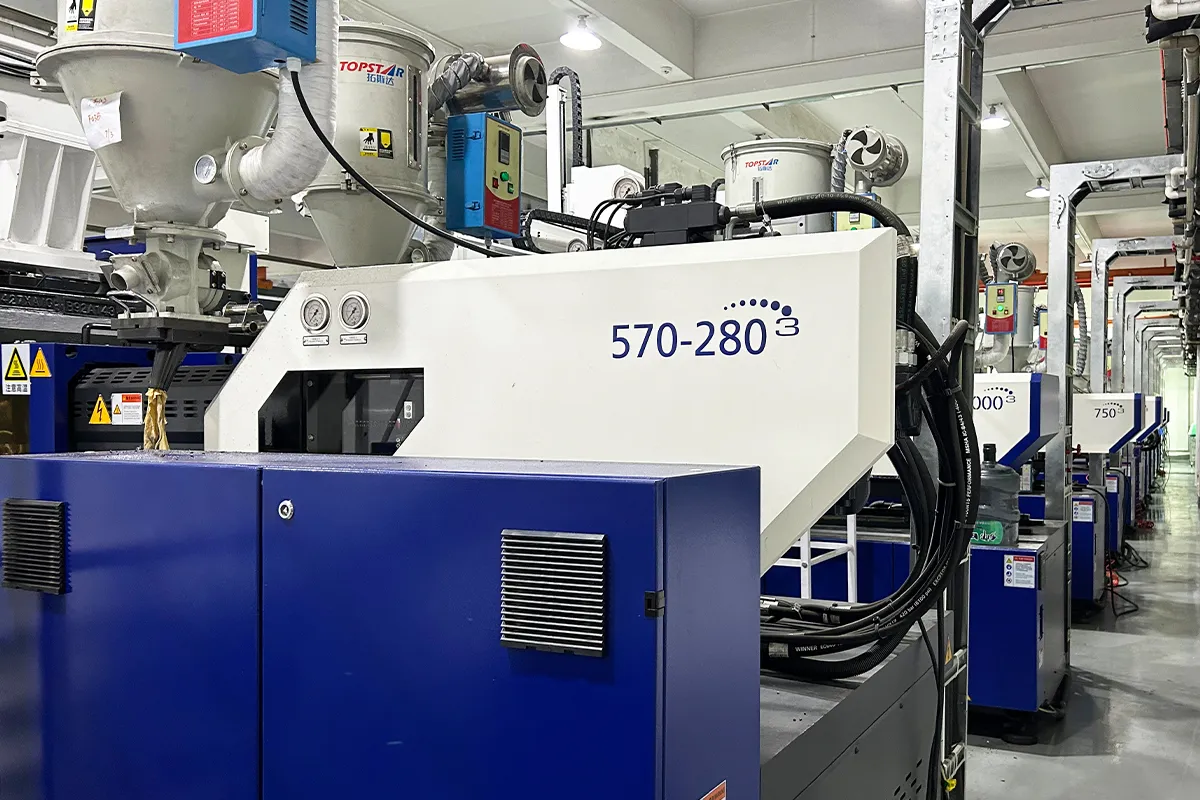
EVDANCE is the factory layer: a Shenzhen EV charger manufacturer founded in 2011, exporting to more than 30 countries, with private-label production from 100 units and a 3-year standard warranty.
A unit such as the EV-ACT5006T wall charger leaves the factory at a price agreed with the channel partner; every later layer adds its own costs and margin, which is why the same model can legitimately sell at different prices in different countries and channels. EVDANCE publishes no margin figure: the number belongs to each agreement. Channel pricing is agreed inside the distributor program and the OEM and private-label program.
Frequently Asked Questions
Can a teardown or bill of materials tell me the real margin?
No. A component list prices the parts inside one unit. It says nothing about assembly, testing, certification spread over expected sales, warranty provision, logistics or channel costs. The gap is mostly unlisted cost, not margin.
Does a higher-priced charger carry a higher margin?
Not necessarily. Price also reflects specification, certification scope, documentation and bundled support. A cheaper charger sold with no local stock and no service reserve can leave its seller a similar margin to an expensive one sold with both.
Should I negotiate by asking for a margin?
Negotiate the numbers you can verify: the landed price on a stated term, what it includes, and the written terms behind it. A margin percentage offered in conversation cannot be checked; a landed, supported price can.
Related Reading
- FOB vs DDP: How to Import EV Chargers From China Without Surprises
- How Distributors Can Build a Profitable EV Charger Product Line
- EV Charger MOQ Explained: What Sets Minimum Order Quantities

