
A connector that releases every time but keeps getting harder to pull out is a different problem from one that will not disconnect at all. Progressive stiffness usually comes from grit, a latch or seal wearing with use, cold weather, a heavy cable pulling the plug sideways — or an adapter’s second joint. Work through the lock first, look before you pull, and never force it: force is what turns stiffness into damage.
Key Takeaways
- Stiffness that grows over time is wear or environment talking — grit, latch and seal wear, cold, sideways cable load, or an adapter’s second joint.
- Rule out the car’s lock first: end the session and unlock fully before judging the connector.
- An adapter adds a second release to complete; check which joint resists.
- Never force, lever or spray a connector. Heat marks or sudden one-sided stiffness mean stop and call the maker.
First, Rule Out the Lock
First, make sure you are not fighting the car’s lock: many cars hold the connector while charging runs and while the car is locked. End the session fully, unlock the car, and give the release a moment before pulling. If the connector will not come out at all, that is the stuck case covered in our guide to why an EV charger won’t disconnect, including the manual release most cars provide; the car’s manual is the authority for its release route.
The Usual Causes of Growing Resistance
| Cause | What it feels like | Sensible response |
|---|---|---|
| Grit or debris in the inlet or plug face | Crunchy or scratchy seating; worse after windy, dusty or winter-gritted spells outdoors | Look at both faces in good light, keep the cap or holster in use, and do not poke at the contacts with tools |
| Latch or seal wear | Needs a wiggle or a firmer press of the release than it used to; stiffness on every session, fair weather or not | A wear pattern, not an emergency — raise it with the charger maker while it still releases |
| Cold weather | Stiff on freezing mornings, easier later in the day or after the car warms | Seals and plastics harden in the cold, as cold-weather charging coverage sets out. Warmth from use helps; hard pulling does not |
| Cable weight pulling sideways | Hard when the cable hangs at an angle, easier when you support it and pull straight | Support the cable so the plug meets the inlet squarely; sideways load makes it bind |
If You Charge Through an Adapter, There Are Two Joints
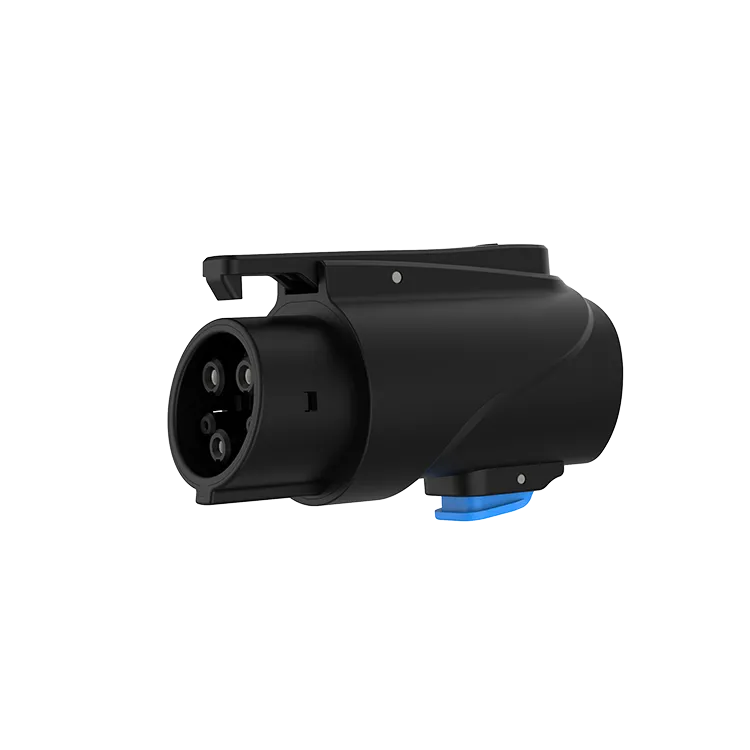
An adapter such as the JT02 NACS-to-J1772 adapter puts two connections in series: charger plug to adapter, adapter to car. Each joint seats and releases separately, so checking which joint resists tells you where the problem is. EVDANCE states no locking behaviour for the JT02; the locks and releases belong to the car and the charger. The same logic applies to any adapter: finish the session, let the car release its side, work the charger’s own release, and support the stack so neither joint is pulled at an angle.
The Hardware Side: Portable Chargers
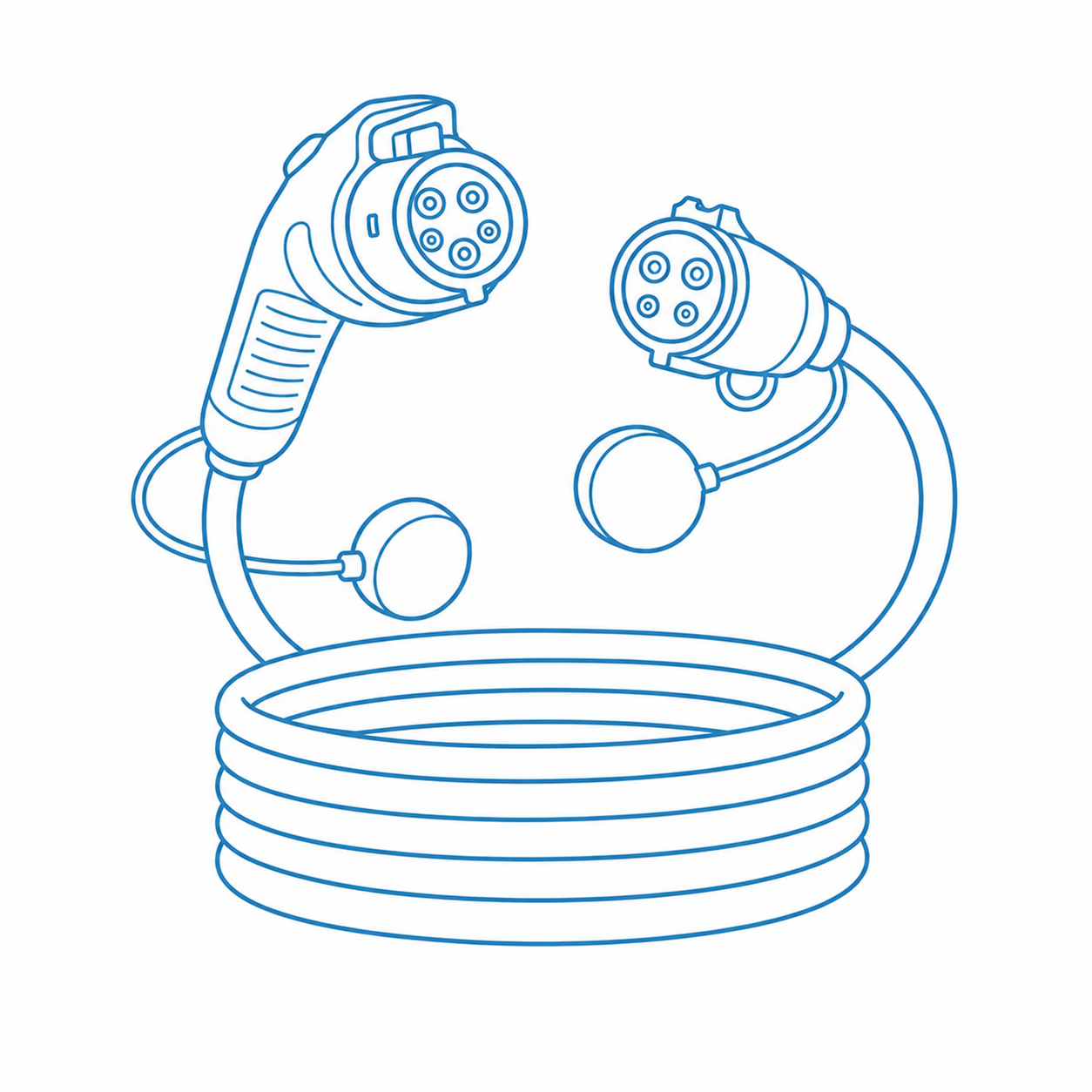
On a portable unit such as the EV-AC04001U 40A J1772 portable charger, the connector is handled, coiled and stored far more often than a wallbox plug, so its latch and seal live a harder life; its IP66 rating speaks to weather sealing, not to how the latch feels after years of use. The car still controls the lock, whatever the charger. A stiffening portable deserves a plug-face and latch inspection at an unhurried session, not a rainy midnight one.
What Never Helps
- Forcing or levering. Pulling harder, twisting, or prising with a tool is how latches bend and inlets crack.
- Sprays and improvised lubricants. Do not spray cleaners or lubricants into a connector unless the maker specifies one — residues attract the grit you are trying to avoid.
- Ignoring the warning signs. Heat marks, discoloration, a melting smell, or stiffness suddenly much worse on one side only are stop-and-call signs: end use and contact the maker.
Frequently Asked Questions
Is some resistance when unplugging normal?
A firm, deliberate pull is normal — seals grip and latches hold by design. What is not normal is a steady trend: noticeably more effort this month than last. The trend is the signal worth acting on.
My connector is stuck fast right now. Is that this problem?
No — a connector that will not release at all is usually the car holding its lock. End the session, unlock the car, and use the release route in the car’s manual, as our stuck connector guide walks through.
Can a stiff connector damage my car?
Rarely by itself. Damage comes from the response — forcing a latched or worn connector can break the latch or the inlet. If the gentle checks above do not free it, the maker or a qualified technician is the next step, not more strength.
Related Reading
- Why Won’t My EV Charger Disconnect? Stuck Connector Fixes
- Cold-Weather EV Charging: What Happens to Chargers and Cables Below Freezing
- Why Is My Electric Car Charger Not Working? A Driver’s Checklist
- How Do Home EV Chargers Work?

