
Yes. The NACS switch changes what new cars are built with; it does not switch off the cars already on the road. The installed CCS1 fast-charging network stays in service — federally funded corridor stations are required to provide CCS1 — your home charging is untouched, and a DC adapter bridges a CCS1 car to NACS stations where its conditions are met.
Key Takeaways
- Yes — CCS1 cars keep charging. The installed CCS1 network stays in service, and NEVI-funded stations are required to offer CCS1.
- Home charging is completely unaffected: the AC half of a CCS1 inlet is J1772.
- A NACS-to-CCS1 DC adapter adds NACS stations to a CCS1 car’s map — with maker approval and an open station, both confirmed first.
- No rule or standard sets an end date for CCS1.
The CCS1 Network Is Already Built — and Still Required
CCS1 is the DC connector on most non-Tesla EVs sold in North America to date, and the public network was built around those cars. Under the NEVI rules (23 CFR 680), federally funded corridor stations must provide CCS1 on their DC ports, run 24/7, accept contactless payment without membership, and hold average annual uptime above 97%. Nothing in the standard sets an end date for CCS1, and networks have a plain commercial reason to keep the plugs: the cars that use them will be on the road for many years. Some operators already fit both connectors on the same new chargers, as this retail charging rollout shows. The wider shift is tracked in our report on NACS overtaking CCS1 in new DC installations — a different question from the survival of the installed base.
Your Home Charging Does Not Change at All
A CCS1 inlet is a J1772 inlet with two DC pins added below it. Every J1772 home charger that works with your car today keeps working. If you later buy a NACS home charger, your car’s AC inlet still connects through a NACS-to-J1772 AC adapter.
| Where you charge | What the NACS switch changes |
|---|---|
| Home, on your J1772 charger | Nothing — the AC inlet is the same J1772 shape it always was |
| Public CCS1 fast chargers | Nothing today — the installed network stays, and NEVI-funded sites must offer CCS1 |
| NACS DC stations, including open Superchargers | Reachable through a NACS-to-CCS1 DC adapter, under the two conditions below |
| NACS AC destination and home chargers | Reachable on AC through a NACS-to-J1772 adapter such as the JT02 |
The Bridge: a DC Adapter, With Two Conditions
For fast charging at a NACS station, a CCS1 car uses a NACS-to-CCS1 DC adapter. Two conditions decide whether that combination is usable for your car, and both are documents, not opinions:
- Your car maker’s approval. The maker must approve third-party DC adapters for your exact car, in its current owner documentation. If the document is silent, treat the answer as not yet and ask.
- The station must be open to your car. A NACS site that serves only its own brand’s cars will not start a session for yours, adapter or not. Check the operator’s current listing for the location.
The adapter itself changes connector shape only. It adds no power, and a session runs at the lowest of the station’s output, your car’s acceptance and the adapter’s rating.
The EVDANCE Adapters for a CCS1 Car
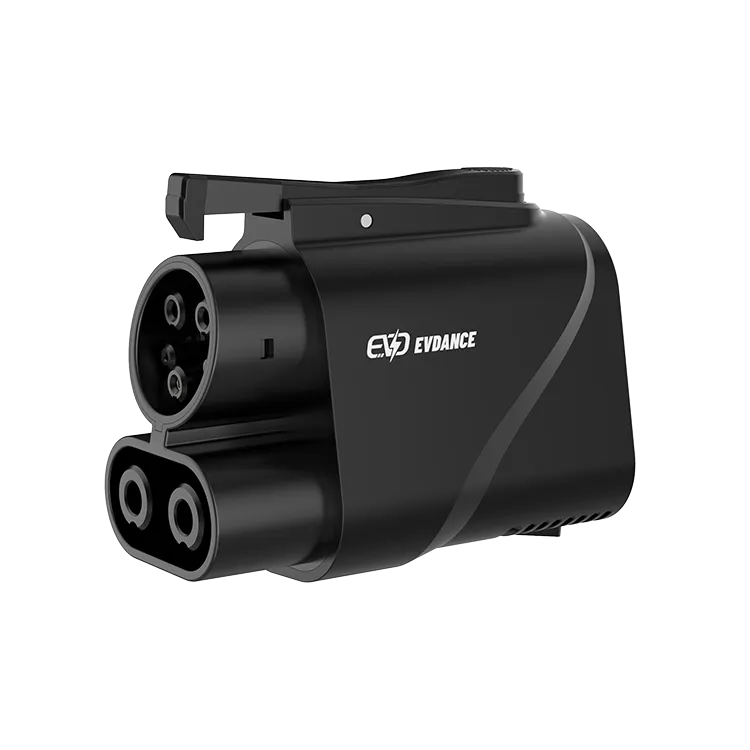
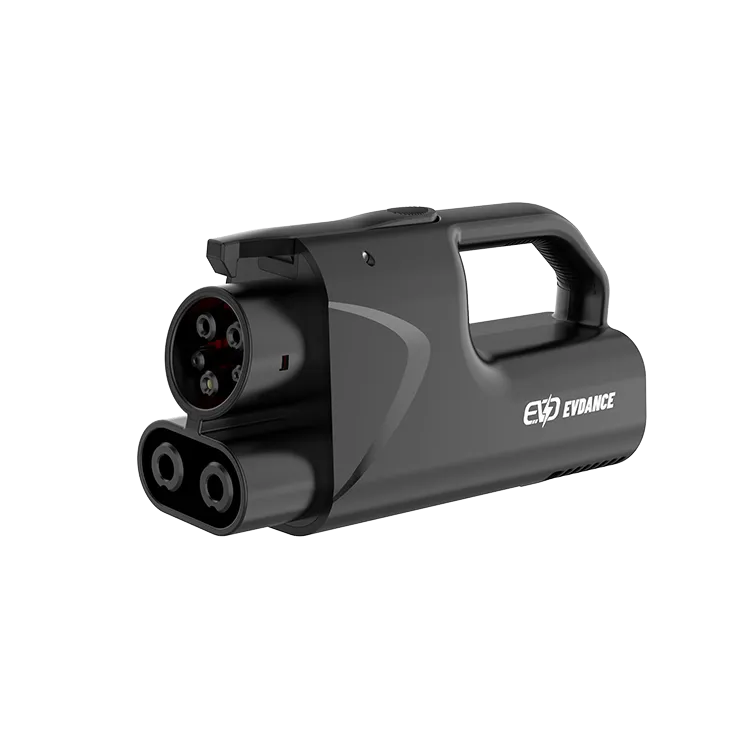
The EVDANCE JT08 and the handled EVDANCE JT09 are NACS-to-CCS1 DC adapters rated up to 500 A with IP66 sealing; the JT08 also states 1000 V. They exist for the journey above, and they carry the same two conditions: use them only where your vehicle maker approves a third-party DC adapter for your exact car and the station is open to it. On the AC side, the JT02 (NACS-to-J1772, up to 80 A, IP65) covers NACS destination and home chargers. It is an AC adapter only, never used at a DC fast charger.
Frequently Asked Questions
Is there a date when CCS1 stations will be removed?
No end date appears in the rules that govern the funded network: NEVI corridor stations are required to provide CCS1 on their DC ports. Individual operators decide their own sites, but the installed base serving millions of cars is not scheduled to disappear.
Do I need an adapter to keep fast charging my CCS1 car?
Not at CCS1 stations — your car plugs in natively, as it does today. The adapter is only for the other network: NACS DC stations, including Superchargers opened to your car.
Will a CCS1 car lose resale value because of the switch?
No charging document settles that market question. What the charging side guarantees is practical: home charging is unchanged, the native DC network remains in service, and the adapter route keeps NACS stations within reach where the maker approves.
Related Reading
- Is the Tesla Charger NACS? NACS, J3400 and Adapters Explained
- Are EV Charging Adapters Safe?
- EV Charging News: NACS Overtakes CCS1 in U.S. DC Fast Charging Connectors
- Type 2 vs J1772 vs NACS: Which EV Charger Connector Does Your Market Need?

