
A Magic Dock is a CCS1 adapter built into the Tesla Supercharger post itself. Instead of carrying your own adapter, the post releases its NACS connector with the adapter locked onto it, so a car with a CCS1 port can plug in. Only some Supercharger posts have one, and it changes the hardware problem only — your car brand still needs access to the site.
Key Takeaways
- A Magic Dock is a CCS1 adapter built into the Supercharger post, released with the connector.
- Only some posts have one — check the exact station’s listing before relying on it.
- The dock fixes the connector shape, not access: your car maker’s agreement still decides.
- Where there is no dock, a carried DC adapter works only where the automaker approves it.
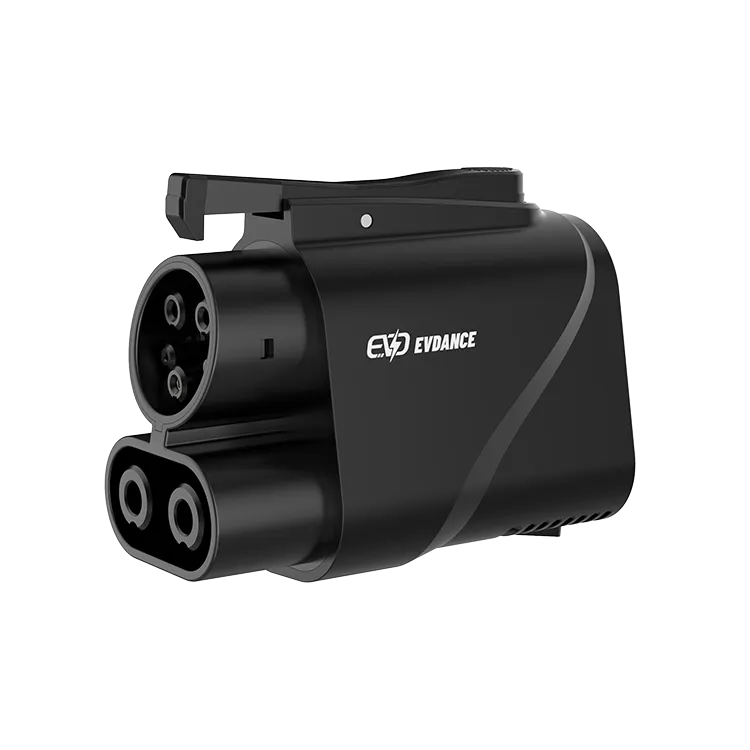
What the Dock Actually Is
The Supercharger’s connector is NACS-shaped. On a post fitted with a Magic Dock, that connector sits inside a docked adapter. When a Tesla charges, the connector comes out on its own. When a CCS1 car charges, the adapter is released with the connector attached, so the handle that reaches the car is CCS1-shaped. The adapter never leaves the post: it is part of the station, not an accessory you handle, store or can lose. Tesla’s background on the connector itself is covered in whether the Tesla charger is NACS.
Built-In Dock vs Carrying Your Own Adapter
| Magic Dock | Separate DC adapter | |
|---|---|---|
| Where it lives | Inside the Supercharger post | In your car; you bring it to the station |
| Which stations it works at | Only posts fitted with one | Any site your car brand has access to, where adapters are permitted |
| Who owns and maintains it | The station operator | You — including checking its rating and condition |
| Approval | Built into the station; access still follows your car maker’s agreement | Use only an adapter your car maker approves for DC fast charging |
What a Magic Dock Does Not Change
- Access. The dock solves the shape problem, not the permission problem. Which non-Tesla cars may charge, and at which sites, still follows each car maker’s agreement — the same condition described in using a Tesla charger for other cars.
- Coverage. Only some posts are fitted with one. There is no guarantee at any given station, so check the station’s listing before you rely on it — the U.S. DOE AFDC Station Locator filters stations by connector type.
- AC charging. The dock is a DC fast-charging device. At Tesla AC chargers, a J1772 car uses an AC adapter instead — a different part, for a different job.
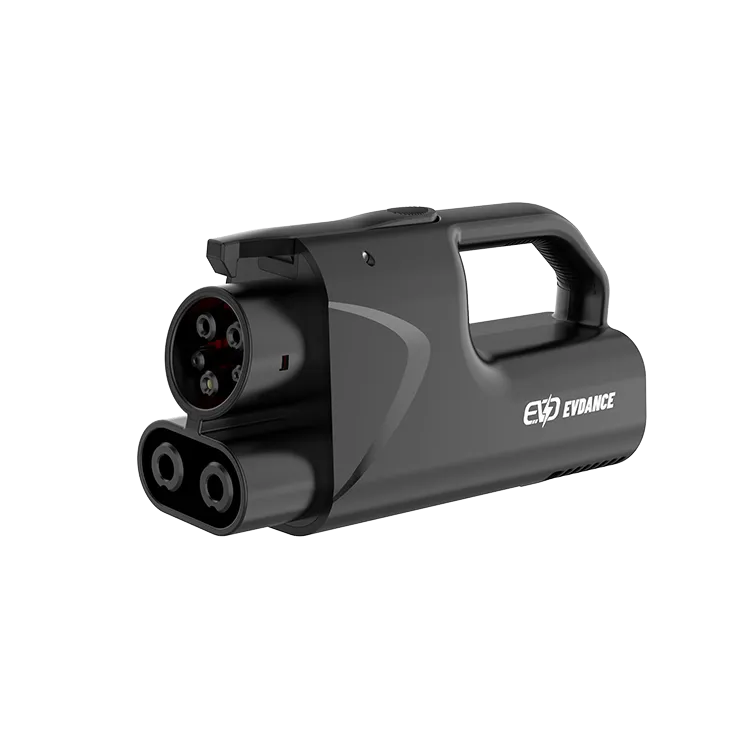
If Your Station Has No Dock: The Carried Adapters
Where a Supercharger has no built-in adapter, a CCS1 car needs its own — and this is where the approval condition matters most. The EVDANCE JT08 NACS-to-CCS1 DC adapter is rated up to 500 A / 1000 V with IP66 sealing, and the EVDANCE JT09 adds a handle at up to 500 A; both are for use only where the automaker approves. For AC charging at Tesla destination and home chargers, the EVDANCE JT02 NACS-to-J1772 adapter covers up to 80 A. The general safety picture is set out in whether EV charging adapters are safe.
Frequently Asked Questions
Do I need my own adapter at a Magic Dock post?
No. That is the point of the design: the adapter is part of the post and is released with the connector for a CCS1 car. You bring nothing extra — but your car brand still needs access to that site.
Can any CCS1 car use a Magic Dock?
Only where the car’s maker has enabled access to Tesla’s network. The dock makes the connection physically possible; the agreement makes it permitted. Check your car maker’s guidance for your model.
How do I know if a station has a Magic Dock?
Check the station listing in the charging app or the locator before you travel, and treat the connector shown for that exact station as the deciding fact. Fittings vary by site and change over time.
Related Reading
- Can I Use a Tesla Charger for Other Cars?
- Is the Tesla Charger NACS? NACS, J3400 and Adapters Explained
- Are EV Charging Adapters Safe?
- Can a Tesla Use J1772 Chargers?

