
Sometimes — nothing in the adapter blocks it by design, but three separate systems have to agree before it happens. Plug & Charge identifies the car through a digital certificate exchanged over the charging cable. A NACS-to-CCS1 DC adapter passes that same connection through: it holds no certificate, runs no account and translates nothing. Whether an automatic session actually starts depends on the car, the charging network and the adapter all supporting it — and on the car maker approving that adapter for DC fast charging in the first place.
Key Takeaways
- An adapter is a pass-through: it neither adds Plug & Charge nor removes it.
- Automatic start needs the car, the network and the adapter to agree — all three.
- Automaker approval for the DC adapter comes before any feature question.
- When automatic start does not happen, card, app and RFID still start the same charge.
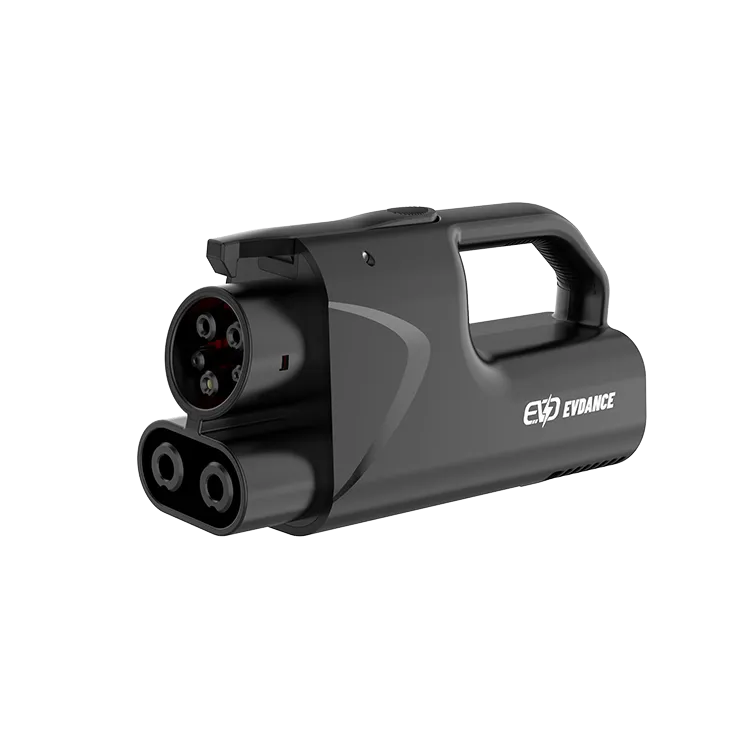
What Has to Travel Through the Adapter
Under the ISO 15118 standard behind Plug & Charge, the car and the charger exchange identification data through the cable before any power flows, and the session is billed to an account linked to the car in advance. On a CCS connection, that data rides on the same connector path as the session’s other signals — the car states its limits, the charger answers, and the identification travels with that exchange. An adapter extends the connector mechanically and electrically, pin for pin. It is a pass-through, not a participant: it cannot add Plug & Charge to a car that lacks it, and it does not remove the feature from a car that has it.
The Three Agreements Behind an Automatic Start
| Layer | What it decides | If it is missing |
|---|---|---|
| The car | Whether it holds a Plug & Charge certificate and has the feature switched on | No automatic start — use the app, a card or an RFID fob |
| The charger and its network | Whether Plug & Charge is enabled at that site | The same fallback; the charge itself is unaffected |
| The adapter | Whether the car maker approves it for DC use and it passes the connection cleanly | An unapproved adapter should not be used at all — approval comes before features |
The third row is the one that matters most. DC adapters carry fast-charging current, and makers approve them model by model — the same approval condition set out in whether EV charging adapters are safe. Treat automatic start through an approved adapter as a bonus that works where all three layers line up, never as something to plan a trip around.
Autocharge Follows the Same Logic
Some networks offer a simpler shortcut: the car sends an identifying code when the session starts, and the network matches it to your account — no certificate exchange. That code travels through the same cable connection, so an adapter does not erase it either. But the network still has to offer the feature and recognise your car, and the DC approval condition still applies. If neither automatic method starts the session, nothing is broken by default: the manual methods described in how to use a public EV charger remain the reliable route.
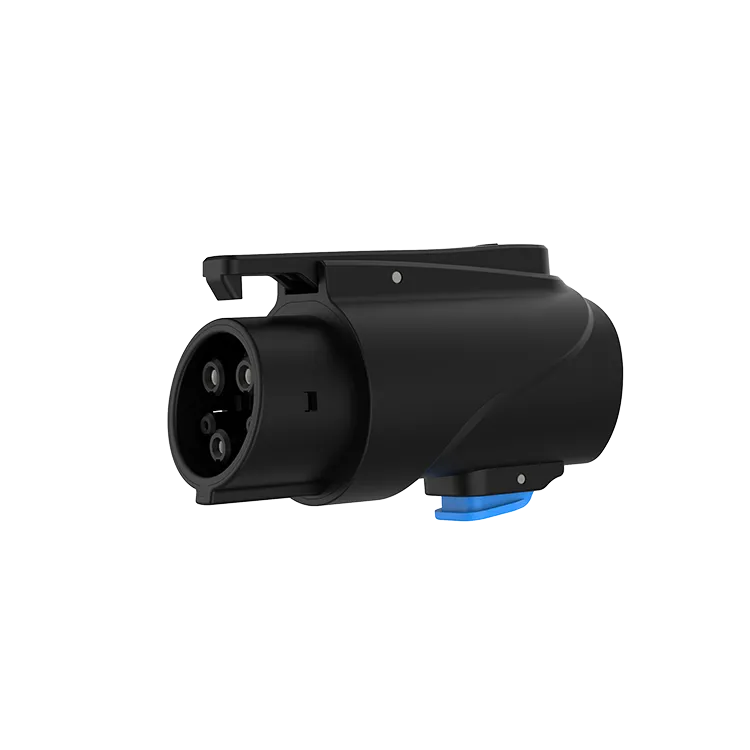
Adapters Built for That Connection
The EVDANCE JT08 NACS-to-CCS1 DC adapter is rated up to 500 A / 1000 V with IP66 sealing, and the EVDANCE JT09 adds a handle at up to 500 A; both are for use only where the automaker approves. For AC charging at NACS home and destination chargers, the EVDANCE JT02 NACS-to-J1772 adapter covers up to 80 A — a different job, where sessions are normally started from the charger’s app or an RFID card rather than by the car identifying itself.
Frequently Asked Questions
Will Plug & Charge work with any NACS adapter?
No. It needs an adapter your car maker approves for DC fast charging, a car with Plug & Charge support, and a network that has enabled it at that site. If any one of the three is missing, start the session manually.
If automatic start fails, is my adapter faulty?
Usually not. Support and settings are the common reasons — the feature may be off in the car, or not enabled on that network. A session that starts normally by card or app points to identification support, not to the adapter.
Does the adapter store my payment details?
No. The certificate lives in the car and the account lives with your charging provider. The adapter passes the connection through; it holds no account, no certificate and no payment data.
Related Reading
- Is the Tesla Charger NACS? NACS, J3400 and Adapters Explained
- Are EV Charging Adapters Safe?
- Can I Use a Tesla Charger for Other Cars?
- Does J1772 Work With CCS? CCS Connectors Explained

