
On-bill financing is a utility programme that puts the cost of a home charger — hardware, installation, or both — onto your monthly electricity bill in instalments, instead of one upfront payment. It spreads the cost rather than reducing it: you still pay for the charger, just over time. Only some utilities offer it, and each sets its own terms.
Key Takeaways
- On-bill financing spreads a charger’s cost over your electricity bill; it is repayment, not a discount.
- Programmes come as loans or utility-owned tariffs — the moving-house clause differs, so read it.
- Compare the total repaid against an upfront quote, and check whether installation is covered.
The Two Shapes It Comes In
Programmes differ, but most follow one of two patterns. The difference matters when you move house or switch supplier, so identify which one you are being offered before you sign.
| Shape | How it works | The question it raises |
|---|---|---|
| On-bill loan | The utility (or a partner lender) lends you the money; you repay it as a line on your electricity bill | What is the total you repay, including any interest and fees? |
| On-bill tariff / utility-owned | The utility pays for and may own the charger; you pay a fixed monthly charge on the bill while you are a customer | What happens to the charger and the charge when you move or switch? |
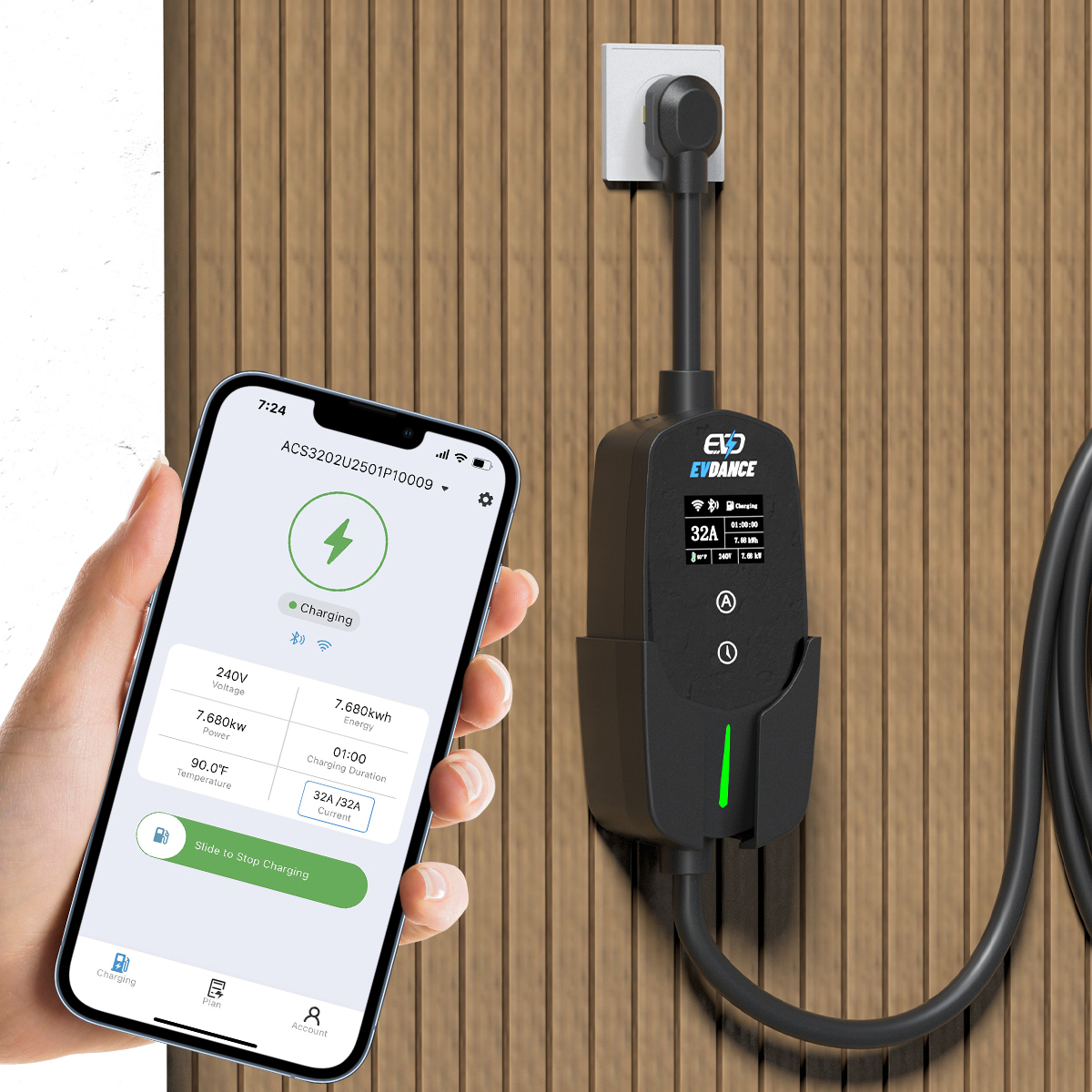
Either way, the electricity you use for charging is billed as normal on top — at the U.S. average residential price of 18.31 cents per kWh, the energy and the instalment are two separate lines. Our breakdown of what it costs to charge an electric car at home covers the energy side; this article is about the hardware side.
What It Is Not
On-bill financing is often advertised next to incentives, which causes three confusions:
- It is not the federal tax credit. The IRS lists Section 30C credit amounts — 30% of cost, up to $1,000 per item for homes in eligible census tracts — only for property placed in service from January 1, 2023 to June 30, 2026. Financing changes when you pay, not what the government returns.
- It is not a rebate. A rebate or grant reduces the price; financing does not. Some chargers are still available with support, as our guide to getting an EV charger installed with rebates and programs sets out.
- It is not free charging. The monthly line continues whether or not you plug in.
The Checks to Run Before You Sign
- Total cost, not monthly cost. Ask for the full amount repaid over the term, and compare it with paying the installer directly. Our guide to what a home EV charger costs gives the upfront figure.
- What the programme covers. Hardware only, or the electrical work too? A panel or circuit upgrade is often the larger half of a home installation, and may sit outside the programme.
- Moving and switching. Does the balance follow you, stay with the meter, or fall due when you leave? The answer decides whether the deal survives a house move.
- Late payment. The instalment rides on a utility bill, so ask what non-payment means for your electricity account — a more serious lever than a missed card payment.
Where to Look, and What to Fit
Start with your own utility’s website, then cross-check the DSIRE database, which lists state and utility incentives programme by programme. The hardware still has to be chosen once: a plug-in unit such as the EVDANCE EV-ACS4005T 40A NACS portable charger keeps the installation side small, while a hard-wired EVDANCE EV-ACT5006T 48A Level 2 wall charger is the fixed version whose circuit cost a programme may or may not cover. Have a licensed electrician quote the whole job first, so you know what sum the financing is spreading.
Frequently Asked Questions
Is on-bill financing the same as the EV charger tax credit?
No. The credit was a tax return item with its own eligibility rules and a placed-in-service window the IRS lists as ending June 30, 2026. On-bill financing is a repayment arrangement with your utility: one reduces your tax, the other reschedules a bill. A tax adviser can confirm what your own installation still qualifies for.
Can I combine on-bill financing with a rebate?
Programmes set their own rules, and they differ: some allow a rebate to reduce the amount financed, others exclude financed purchases. There is no general stacking rule — read both programmes’ conditions, or ask the utility in writing, before counting on both.
What happens to the payments if I move house?
It depends on the shape. A loan usually stays with you; a utility-owned arrangement may end, transfer to the next occupant, or trigger a final settlement. It is the single most important clause to read before signing, because it outlives the installation.
Related Reading
- Can I Get an EV Charger Installed for Free? Rebates and Programs
- How Much Does a Home EV Charger Cost?
- How Much Does It Cost to Charge an Electric Car at Home?
- Smart Charging and Time-of-Use Tariffs: How Scheduling Cuts EV Charging Costs

