
Yes — a warm JT02 after a long charging session is normal. Every amp your car draws crosses the adapter’s two contact joints, and some of that energy turns into heat. What is not normal is an adapter too hot to hold comfortably, or one showing heat marks. EVDANCE publishes no temperature figure for “too warm”, so you judge by signs, not degrees.
Key Takeaways
- A warm JT02 after a long, high-current session is normal — its joints make heat in use.
- No temperature figure is published; judge by signs, not degrees.
- Too hot to hold, one-sided heat, marks, smell, faltering sessions or a loose fit mean stop, inspect, retire if they persist.
- Sun, heat and back-to-back sessions add warmth — read the adapter against its own usual behaviour.
Why a Working Adapter Warms Up
An adapter adds two joints to the charging path: charger plug to adapter, and adapter to car. At each joint the current crowds through the small real contact area where the metal faces touch, and where current crowds, resistance — and heat — concentrate. Level 2 sessions run for hours, so even a good joint accumulates warmth, and harder sessions warm more. The JT02’s listing states silver-plated copper contacts, chosen because a clean, low-resistance face runs cooler. The wider safety checklist is in our guide to whether EV charging adapters are safe.
Warm vs Too Hot: Read the Signs
| What you notice | How to read it |
|---|---|
| Body evenly warm after a long session | Expected. It fades once the adapter is unplugged. |
| Same warmth, session after session | Expected. Consistency is the sign of a healthy joint. |
| Too hot to keep your hand on | Stop signal. End the session; inspect before using it again. |
| One end much hotter than the other | Stop signal. Heat sits at one joint — inspect that joint. |
| Discoloration, a hot-plastic smell, pitting on the faces | Retire it. Heat has damaged the joint; it does not recover. |
| Sessions slow down or drop, only with this adapter | Retire it. The adapter is the common factor; the joint is failing. |
| The fit has gone loose | Retire it. A moving joint concentrates heat further. |
The Contexts That Add Warmth
Some warmth is the day, not the adapter. A session in direct sun starts warm and adds charging heat on top — our guide to hot-climate EV charging covers that environment. Back-to-back sessions give no cool-down between cars, and the longest, highest-current sessions are the hardest work it does.
What To Do When It Feels Too Hot
- Stop the session. End the charge at the car or charger, then unplug. Do not leave a suspect adapter running.
- Let it cool, then look. Check both faces: clean, bright and undamaged is one answer; discoloration, smell, pitting or a loose fit is the other.
- Clean only by wiping. A dry wipe removes grit. Never open the adapter, and never use abrasives on the faces.
- Retest once, honestly. If the faces are clean, the fit is firm, and the heat matched a hot day or double session, one ordinary session is a fair test. Heat returning unexplained ends it.
- Retire and replace. A heat-damaged adapter is finished. The JT02 carries EVDANCE’s 3-year standard warranty — heat damage in normal use is a reason to contact the manufacturer.
The Adapter in This Picture
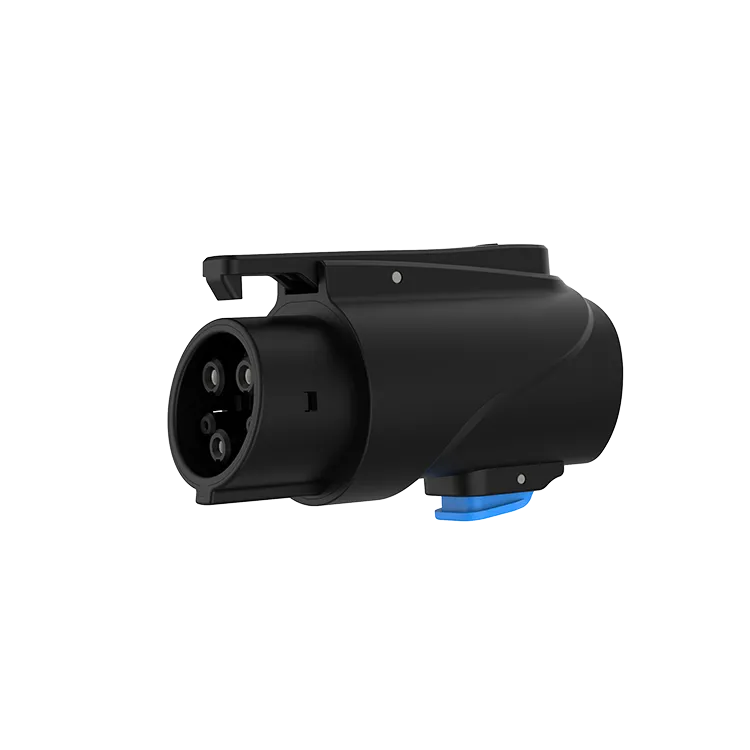
The EVDANCE JT02 NACS-to-J1772 adapter is rated for AC charging up to 80 A at AC 250 V, sealed to IP65, with silver-plated copper contacts as listed. It is an AC adapter for home wallboxes and destination chargers — never for Superchargers. Warmth is part of the work; the table above is the line between a working adapter and a finished one.

Frequently Asked Questions
How warm is too warm, if there is no number?
No threshold is published, and any degree figure for this adapter would be invented. Use the signs: even warmth that fades after unplugging, the same every session, is normal; too hot to hold, one-sided heat, marks, smell, or faltering sessions are not. A clear change from how the adapter used to feel is itself a sign.
One end of the adapter is hotter than the other. Is that a problem?
It is the most useful clue you get. Heat concentrates where resistance is, so a hot end points at that joint: unplug, let it cool, inspect that joint’s faces and seating. Marked faces or a loose fit mean retire it. If all looks clean, reseat fully and watch the next session — repeated one-sided heat is a retirement sign.
Does a warm adapter mean my car is drawing too much current?
No. The charger and the car’s onboard charger set the current, and the JT02’s 80 A ceiling sits above any home or destination session. Warmth tracks the current and length the car and charger decide. Heat beyond what that session explains points back at the joint.
Related Reading
- Are EV Charging Adapters Safe?
- Hot-Climate EV Charging: Protecting Chargers From Desert Heat and Sun
- Can I Use a Tesla Charger for Other Cars?
- What Is J1772? The North American EV Plug Explained

