
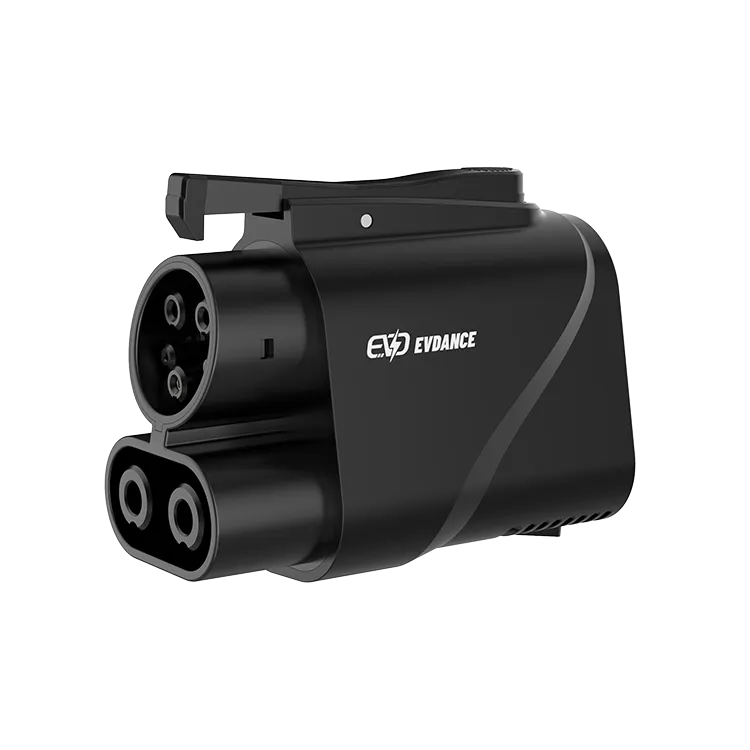
Start with the honest answer: the JT08 and JT09 listings do not publish a conductor material. Neither specification states what the current path inside the adapter is made of — no “pure copper” line appears in either. What they do publish is the duty, up to 500 A, and at that current the material is a real question. Here is why, and how to get it answered in writing.
Key Takeaways
- The listings publish no conductor material; “pure copper” for these adapters is an open question, not a specification.
- At 500 A-class currents, contact resistance concentrates in small spots — purity and surface condition set it.
- “Copper” can mean a core, an alloy or a finish; only a datasheet or written answer pins it down.
- Material does not change charging speed — it concerns the joint. Heavy users should ask in writing first.
Why Material Is a 500 A Question
Two pressed metal faces do not touch across their whole area: under a microscope they meet at scattered high spots, and the session’s entire current crowds through those spots. Where current crowds, resistance concentrates — and resistance turns current into heat, in the smallest, hardest-to-cool part of the joint.
Two material properties set that resistance. The first is the conductor: copper is the high-current standard because it conducts better than cheaper metals and alloys — and purer copper better than impure or alloyed metal. The second is the surface: base metals oxidise in air, an oxide film conducts poorly, and it forms where the current is most crowded. At household currents these losses are a rounding error; at the 500 A class they stop being trivial — the contact path is a DC adapter’s design problem, and its material earns one written question. This is the general physics behind our guide to whether EV charging adapters are safe.
Pinning Down a Material Claim
“Copper” in sales copy can mean a solid copper current path, an alloy chosen for spring or strength, or copper only as a surface finish. Each conducts differently, and none can be told from a photo. If material matters to your purchase, put these in writing:
| Question to ask in writing | Why it matters |
|---|---|
| What is the main current path made of — the conductor core? | The core’s material and purity set the joint’s bulk resistance |
| What is the contact surface — bare, plated, or finished, and with what? | The surface is where the current crowds and oxidation starts |
| Is the material stated in the datasheet, or only in marketing copy? | Only the specification is a commitment; a brochure phrase is not |
Ask before purchase — for each model, not the family in general — and keep the reply with your records. A “probably copper” from a sales chat is not a specification.
What EVDANCE States — and Where It States More
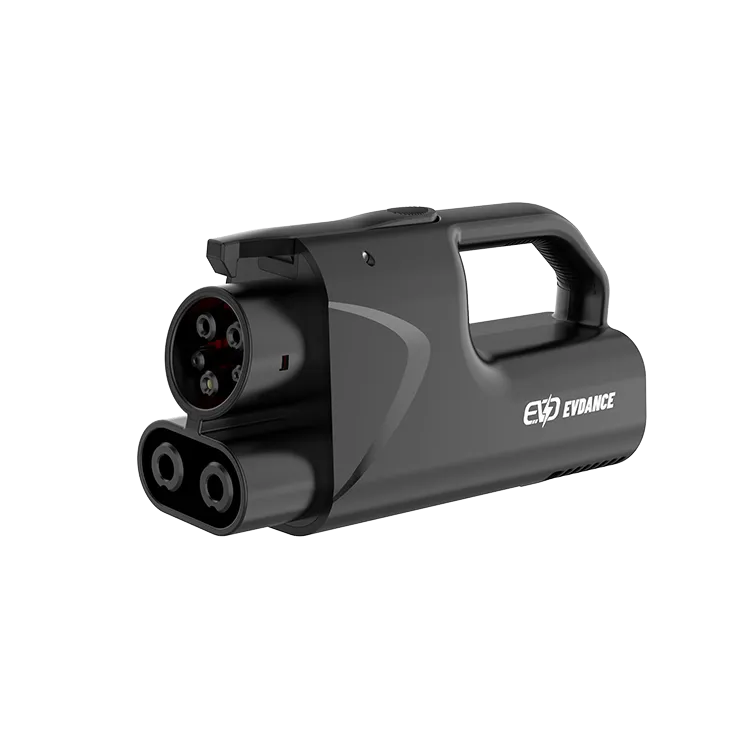
For these two, the published lines are the ratings: the JT08 up to 500 A / 1000 V with IP66, the JT09 up to 500 A with IP66 and a handle, the family at 250 kW. Material is not among them, and this article will not promote a guess into a line.
The question is answerable when a listing chooses to answer it. In EVDANCE’s AC adapter family, the JT02 listing does state its construction — silver-plated copper contacts — which is why that adapter’s contact story can be told in detail. The JT08 and JT09 listings make no equivalent statement. Treat that as information, not a verdict: the open question closes one way — in writing, from the manufacturer, via the contact page, before the order.
The JT08 and JT09, as Listed
Both are NACS-to-CCS1 DC adapters serving a CCS1-inlet car at a NACS DC station — including an open Supercharger — used only where the vehicle maker approves third-party DC adapter use and the station is open to it.
Neither adds power — the session rate follows the station’s delivery and the car’s DC acceptance. The standards landscape is explained in is the Tesla charger NACS?
Frequently Asked Questions
Are the JT08 and JT09 made of pure copper?
Not stated in either listing, so no published source can answer it — a yes or no drawn from the specification is a guess. Ask EVDANCE in writing; that answer is a specification. Until then, an open question.
Does the conductor material change how fast my car charges?
No. The rate is negotiated between station and car and follows the car’s acceptance curve; an adapter adds no power and commands no rate. Material affects the joint — resistance and heat — not the number on the display.
Should the unstated material stop me from buying?
A specification question, not a verdict. The stated ratings — up to 500 A, IP66 — are what a claim is read against. Heavy users (daily fast charging, fleets) should get the material answer in writing first.
Related Reading
- Are EV Charging Adapters Safe?
- Is the Tesla Charger NACS? NACS, J3400 and Adapters Explained
- How Do DC Fast Chargers Work?

