
A NACS-to-CCS1 adapter is engineered as a passive high-current joint. One face takes a DC fast charger’s NACS connector; the other presents a CCS1 face to the car, so DC power and the station-to-car data conversation pass through unchanged. It converts nothing and adds no power. It is tested like electrical equipment, not treated as an accessory — and it may be used only where the car maker approves a third-party DC adapter for that car and the station is open to it.
Key Takeaways
- A NACS-to-CCS1 adapter is a passive joint: two connector faces, a short high-current path and an untouched signal path.
- The rating is proven by a type-test dossier naming the exact model.
- Certification, car-maker approval and station access are three separate gates — all must be satisfied.
The Design Brief: Two Faces, One Job
North American DC fast charging runs on two connector families (see our NACS explainer). The bridge between them has no electronics to hide behind: its ratings are ceilings, not output. The session is settled by the station and the car — U.S. DOT puts the DC fast class at 50–350 kW — and the adapter’s job is to never be the limit or the failure.
Where the Engineering Hours Go
The contact system. Every amp crosses two mated interfaces inside the adapter. Contact area, spring pressure and surface finish decide those joints’ resistance — and resistance at these currents is heat. The system is designed against wear as well as first-day performance: a joint that loosens or pits runs hotter every session.
The current path. Short, direct and symmetric: with no conversion stage, the conductor geometry alone carries the rating, and the thermal path out through the housing is designed alongside it.
The signal path. Before DC power flows, station and car negotiate, and that conversation must cross the adapter intact. Pin assignment and continuity through both faces are engineering items in their own right: a bridge that carried current but corrupted the data would leave station and car unable to agree a session.
| Design area | Engineering decision | Failure it prevents |
|---|---|---|
| Contact system | Contact area, spring pressure and finish chosen for the rated current and mating life | A joint whose resistance — and heat — climbs with wear |
| Current path | Short, symmetric conductors; a designed thermal path to the housing | Hot spots inside a sealed part with no airflow |
| Signal path | Pin continuity through both faces, verified as part of the design | Sessions that cannot start because the negotiation is corrupted |
| Housing and sealing | Ingress sealing across two connector geometries, firm fit over mating life | Water and dust at the contact faces; a fit degrading into a poor joint |
The Test Programme Behind the Rating
A rating is a claim until a laboratory tests it. The type-test programme a buyer should expect covers temperature rise at rated current, insulation and dielectric strength, mating-cycle endurance, mechanical strength, and ingress testing behind any IP rating (see our IP ratings comparison). Adapters are certified as their own product class, not as accessories (see our certifications guide). The evidence standard: a report from an accredited laboratory naming the exact model, plus production checks that keep shipped units matching the tested sample. One gate sits outside testing: certification says the adapter is a sound product; the vehicle maker’s approval decides whether a given car may use it — the distinction our adapter safety guide returns to.
EVDANCE Adapters, As Listed
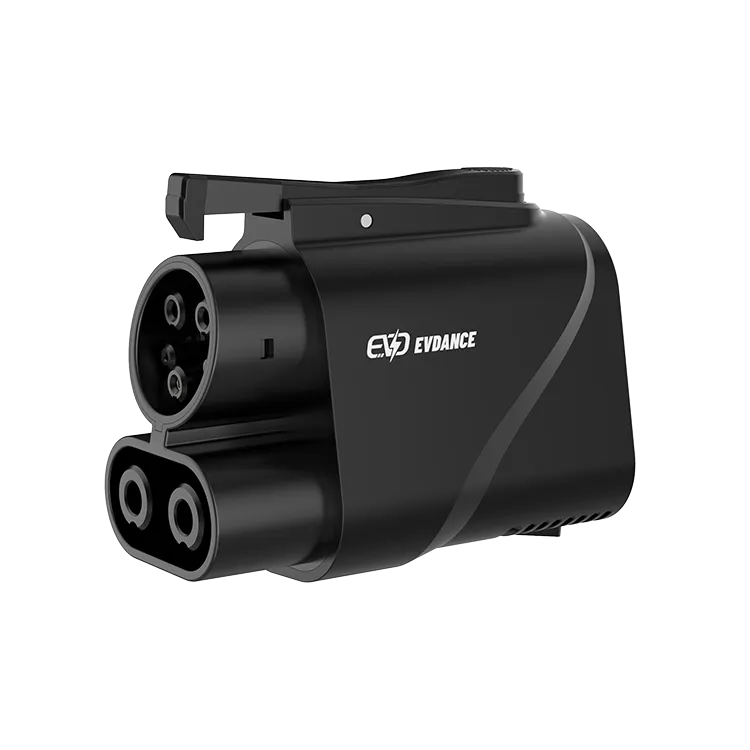
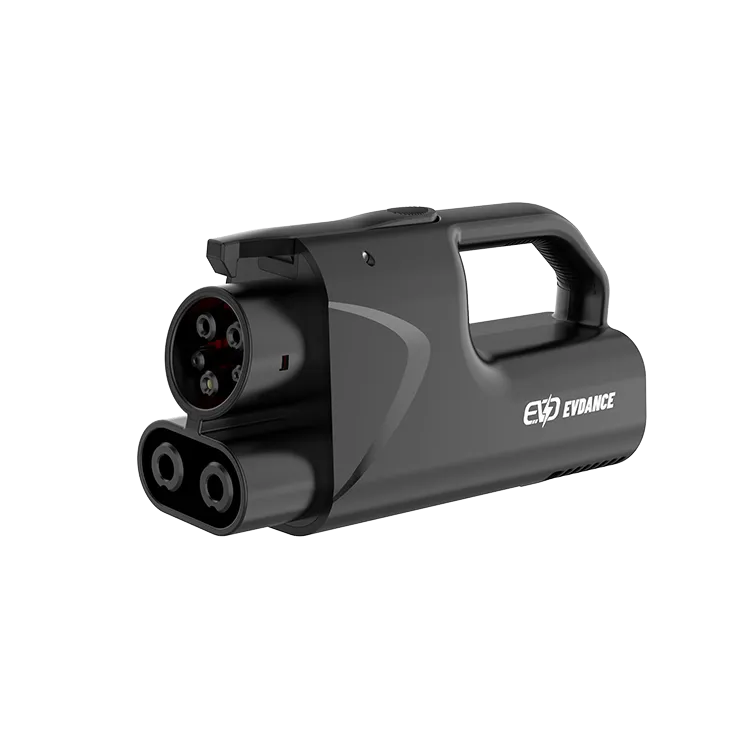
EVDANCE’s DC adapters are the JT08 NACS-to-CCS1 DC adapter, rated up to 500 A and 1000 V with IP66 sealing, and the JT09 NACS-to-CCS1 DC adapter with handle, rated up to 500 A and IP66. Both carry the two conditions from the opening: the car maker must approve third-party DC adapter use for the exact car, and the station or network must be open to that car. On the AC side, the JT02 NACS-to-J1772 adapter serves Level 2 charging at up to 80 A, IP65 — never a DC part. Brands sourcing adapters can request a model’s test documentation through the contact page.
Frequently Asked Questions
Does a NACS-to-CCS1 adapter convert the signal or the power?
Neither. It is a passive pass-through: power and the station-to-car conversation cross it unchanged. The station converts and controls the power; the adapter must simply avoid limiting either path.
What should I ask a manufacturer before ordering adapters in volume?
Ask for the type-test report from an accredited laboratory naming the exact model, the stated ratings and materials in writing, and how production units are checked against the tested sample. Vague answers are a sourcing decision in themselves.
If an adapter passes its tests, can any CCS1 car use it at a Supercharger?
No. Testing certifies the product. Use still needs the vehicle maker’s approval of third-party DC adapters for that car and a station open to it. Both conditions apply every time, whatever the test report says.
Related Reading
- Are EV Charging Adapters Safe?
- Is the Tesla Charger NACS? NACS, J3400 and Adapters Explained
- EV Charger Certifications Explained: CE, UKCA, UL, ETL, CB and What Buyers Should Ask For

