
Public procurement in Europe is structured around published notices, standard procedure shapes and lots — but the rules that decide any single tender live in that tender’s own documents. Notices for larger public contracts are published centrally through TED, the EU’s official tender portal, buyers split work into lots, and suppliers across the single market may bid. What crosses borders easily is the hardware; what does not is the paperwork — language sets, installation rules and market versions are confirmed country by country.
Key Takeaways
- European procurement runs on published notices, named procedure shapes and lots — decided by each tender’s documents.
- The UK sits outside this structure; EU notices never include UK buyers.
- Thresholds are confirmed in current official guidance, never quoted from memory.
- Cross-border bids are won on paperwork: language sets, market versions and per-country installation confirmations.

The Structure You Will Meet
| Element | What it means | What the bidder confirms |
|---|---|---|
| Published notice | The contract is advertised openly; the notice leads to the full documents | Everything — the documents, not the notice summary, govern the bid |
| Procedure shape | The competition runs in a named form, with stages the documents set out | The stages, deadlines and submission format for this tender |
| Lots | Work is split — by site, region or charger type — and bid lot by lot | Which lots your evidence, stock and installers actually cover |
| Award criteria | The balance of price and quality the buyer will score | The criteria as published in the documents, never assumed from another tender |
| Contract shape | Supply, supply-and-install, or a concession where the operator runs the chargers | Who carries installation, service years and operating risk |
Two boundaries matter. The UK is not part of this structure: it runs its own procurement rules and notices, so an EU procedure never includes UK buyers. And monetary thresholds decide which contracts are published EU-wide and which stay on national portals — those values are revised over time and are confirmed in the current official guidance, never quoted from memory or from a previous tender.
Cross-Border Bidding Is a Paperwork Problem
- Language sets are production decisions. Manuals, labels and bid documents in the market’s language are settled before print, not at the port.
- Installation is confirmed per market. Who may install, and under which local confirmation, differs by country — the same discipline our country import guides apply to certification and paperwork.
- The market version is a written confirmation. Connector, configuration and documentation pack for the exact model, confirmed with the manufacturer for that market before the bid.
- Goods movement is priced once, properly. Chargers entering the EU clear customs at entry; inside the single market they move on to the site — your broker prices the entry step per shipment.
The product file at the centre can be shared: the same model evidence supports bids in several markets, which is why evaluators ask for documents that name the exact model — our guide to EV charger certifications explains the families behind the marks, and our comparison of 11 kW vs 22 kW wallboxes for Europe covers the output question buyers build lots around.
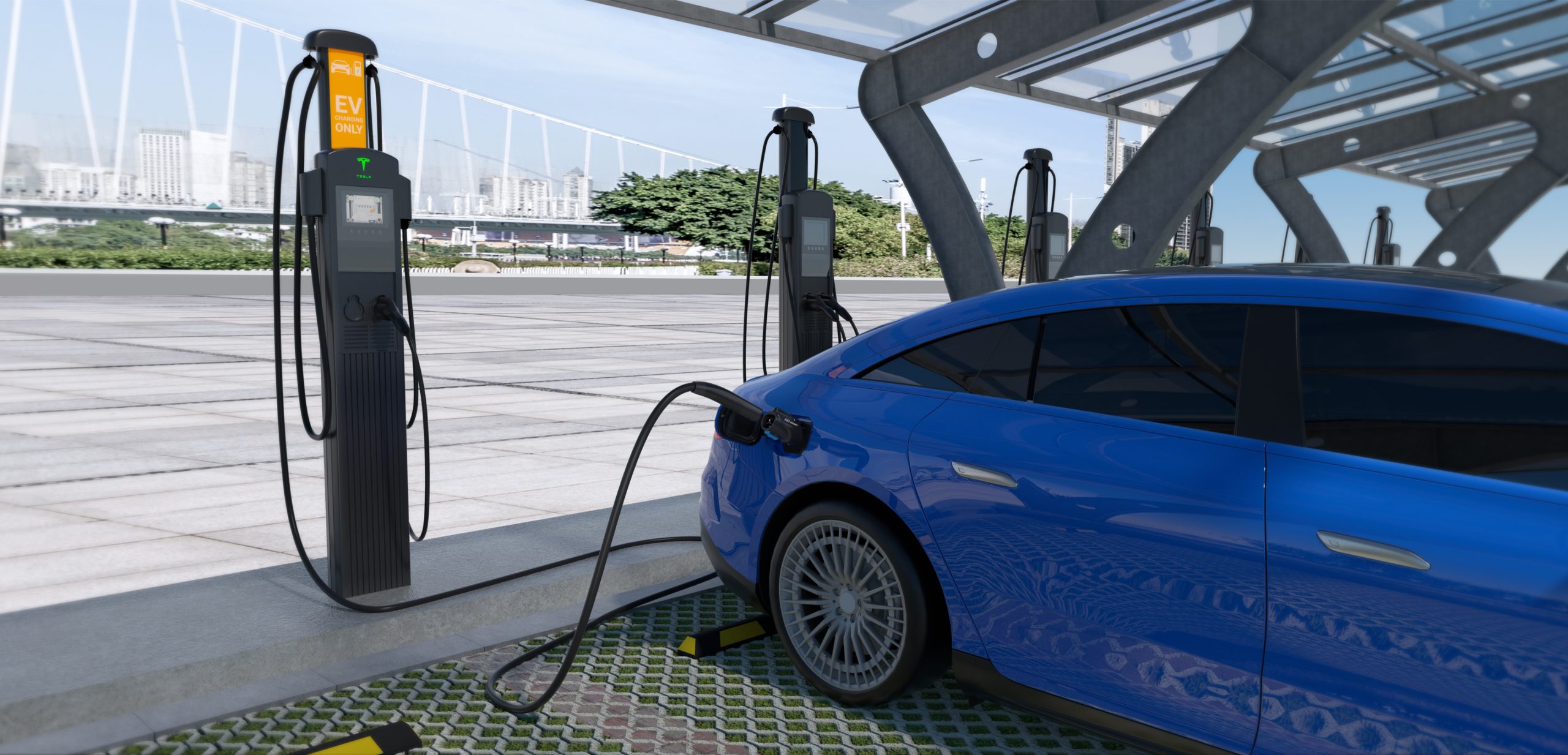
EVDANCE Hardware in a European Tender
Two lines are built for this market’s public work. The EV-AC03201T is a floor-standing dual-connector AC station: two Type 2 connectors, up to 43 kW shared (22 kW per connector), OCPP 1.6J, RFID, IP54 — its protocol answer is a stated version on the listing. The EV-ACT3204PE is a 22 kW three-phase Type 2 wallbox with RFID and app, IP66, CE per its listing. For any other model, answer protocol and feature questions strictly from that model’s own file — “OCPP-ready”, for example, is never presented as a compliance claim, as our OCPP explainer makes clear. EVDANCE was founded in 2011, exports to more than 30 countries, offers private label from 100 units and a 3-year standard warranty. Document packs for a specific tender are requested via the reseller and distributor program or contact us.
Frequently Asked Questions
Can a non-EU company bid on European tenders?
Bidding across the single market is open in structure, but the bidder carries the importer duties and the per-market documentation. Most overseas manufacturers therefore bid through their European distributors; eligibility for a specific contract is confirmed in its documents.
Do we write one bid and reuse it across countries?
Reuse the core: company evidence and the exact-model file. Rewrite the market parts every time — language set, market version, installation confirmations and the buyer’s own criteria all change between tenders.
Where are European charging tenders published?
Larger public contracts appear centrally on TED, the EU’s official portal; smaller ones sit on national portals. Watching both, and triaging notices against your evidence and coverage, is a discipline of its own.
Related Reading
- EV Charger Certifications Explained: CE, UKCA, UL, ETL, CB and What Buyers Should Ask For
- 11 kW vs 22 kW Wallbox: Which Should Distributors Stock for Europe?
- OCPP Explained: What Charge Point Operators Need From EV Charger Hardware
- How to Plan a Workplace EV Charging Program

