
Not exactly. NACS began as Tesla’s charging connector, and Tesla still uses it — but it is now a standardised connector, SAE J3400, that other carmakers and charger makers build to. Treating “NACS” and “Tesla” as the same thing causes two common mistakes: assuming every NACS charger is a Tesla product, and assuming a plug that fits also opens Tesla’s charging network.
Key Takeaways
- NACS started as Tesla’s connector and is now the SAE J3400 standard other makers build to.
- Connector, brand and network are three separate things — the plug tells you only the first.
- A plug that fits does not grant network access; Supercharger access is set by the operator and your car maker.
- Adapters solve fit only: JT02 for AC, JT08/JT09 for DC with maker approval and an open station.
Three Things People Mix Up
| Layer | What it is | What decides it |
|---|---|---|
| The connector | The NACS plug and inlet, standardised as SAE J3400 | The standard — any maker can design and build to it |
| The brands | Tesla cars and Tesla chargers are one company’s products; other brands now sell NACS cars and NACS chargers too | The manufacturer — read the badge on the product, not the shape of the plug |
| The network | Tesla’s Supercharger network is Tesla’s own charging service | The network operator — which sites are open to which cars is set by the operator and the carmakers’ arrangements |
Our explainer on whether the Tesla charger is NACS covers the connector’s history and the J3400 standardisation in full. This article is about the practical mix-up that follows from it.
A Plug That Fits Is Not Network Access
Fit is mechanical; access is permission. A NACS car — Tesla or otherwise — can plug into any NACS charger whose owner lets it charge. Tesla’s Supercharger network is the case that trips people up: which sites serve which cars depends on the network opening those sites and on arrangements with each carmaker, and that position changes over time. Before a trip, check the network’s current station information — the DOE AFDC Station Locator lists public stations and their networks — rather than assuming the plug settles it.
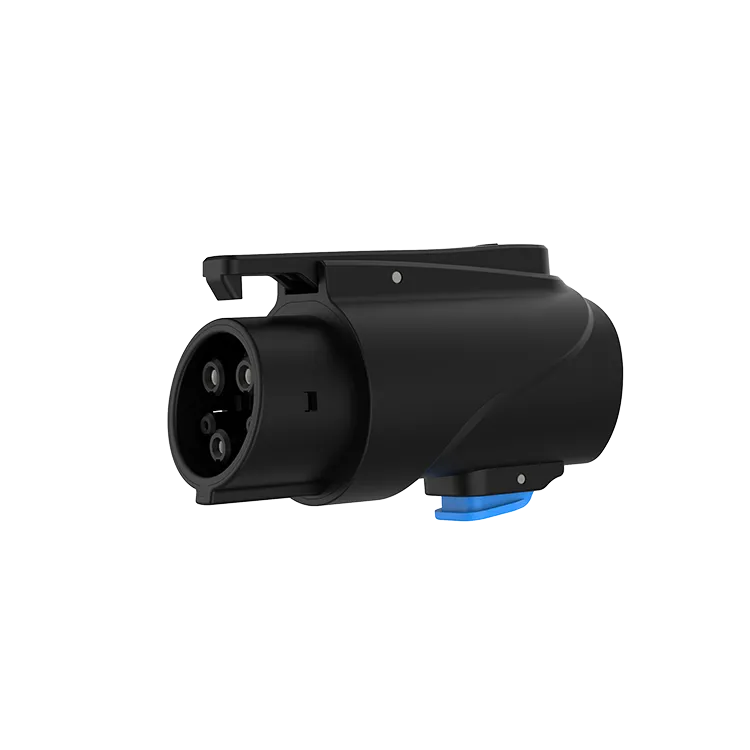
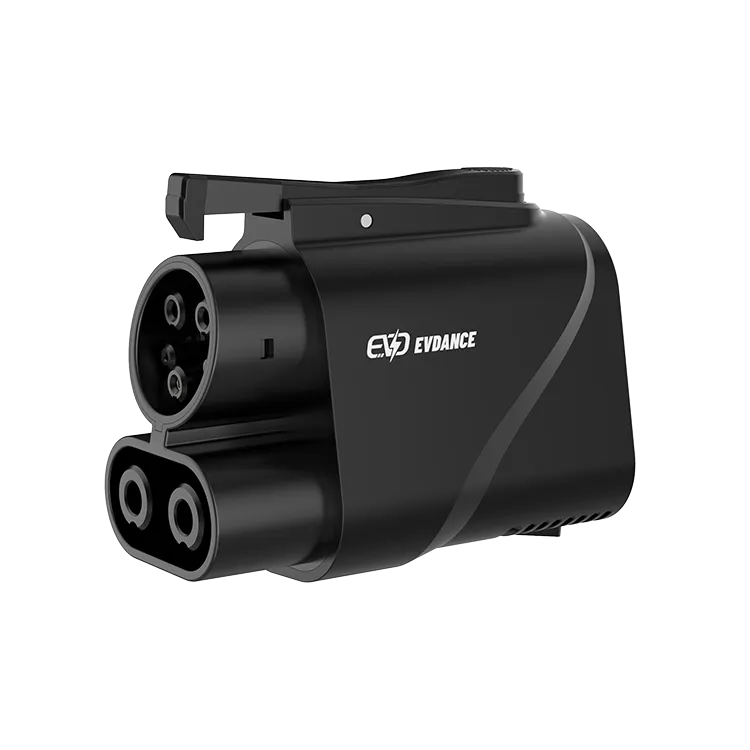
Adapters sit on the fit side of the line, not the access side. The EVDANCE JT02 is a NACS-to-J1772 adapter for AC charging, up to 80 A and IP65: it lets a J1772 car use a NACS AC charger or Tesla destination charger, and it is never for Superchargers. For DC, the EVDANCE JT08 is a NACS-to-CCS1 adapter — usable only where your car maker approves third-party DC adapters for your exact car and the station is open to it. Both conditions, every time.
NACS Hardware From a Maker That Is Not Tesla
The clearest proof that NACS is bigger than one brand is the hardware shelf. EVDANCE — a Shenzhen manufacturer founded in 2011 — sells NACS chargers such as the EV-ACS3210T, a 32 A NACS portable charger at about 7.7 kW with IP66 sealing. A Tesla driver can charge from it, and so can any other NACS car. The connector is shared; the brands, warranties and support behind each product are not.
Frequently Asked Questions
Is every NACS charger a Tesla charger?
No. NACS is a standardised connector, and many manufacturers build NACS chargers. A Tesla charger is one made by Tesla; the plug shape does not tell you the brand.
Can my non-Tesla car charge at a Supercharger?
Only where the network has opened that site to your car and your car maker allows it, with an approved adapter where one is needed. Check the network’s current information for your exact car before you travel.
Does a Tesla use the same connector everywhere?
No. Tesla’s North American connector is NACS; in Europe its cars use Type 2 and CCS2. The connector follows the market, not just the brand.
Related Reading
- Is the Tesla Charger NACS? NACS, J3400 and Adapters Explained
- Can I Use a Tesla Charger for Other Cars?
- Can a Tesla Use J1772 Chargers?
- Type 2 vs J1772 vs NACS: Which EV Charger Connector Does Your Market Need?

