
A site offers Autocharge when three layers line up: chargers that are networked and reporting to a platform, a platform that supports recognising cars by the identifier they present, and driver accounts with their cars registered. The feature is switched on in the back office, not built into the plug — and whether a given platform offers it today is stated in that platform’s current documentation, which is the document to check before promising it to drivers.
Key Takeaways
- Autocharge is switched on by the site’s platform — chargers, platform feature and registered cars must all line up.
- It identifies the car; it does not authenticate it the way Plug and Charge’s certificate does.
- The ongoing work is administrative: registrations, handovers and support.
- Card and app payment stay in place underneath it, for every driver without a registration.

What the Feature Is, in One Paragraph
Autocharge starts and bills a session automatically when a registered car plugs in: the charger passes the car’s identifier to the network, the network matches it to an account, and charging begins with no app tap or card. Note the honest limit of the mechanism — it identifies the car; it does not authenticate it the way Plug and Charge does, where the car presents a certificate contract under ISO 15118. That difference is why an Autocharge registration follows the car, and why it should come off the account when the car is sold.
The Three Layers a Site Has to Line Up
| Layer | What it takes | Who decides |
|---|---|---|
| Chargers | Networked units connected to a management platform and reporting sessions to it | The site, when it specifies hardware |
| Platform | Car-recognition (Autocharge) support, switched on for the site, per the platform’s current documentation | The platform provider and the operator |
| Cars and accounts | Cars that present a readable identifier, each registered once to a driver account | The driver, with the car maker’s support |
| Fallback | Ordinary card, app or RFID start kept working for everyone else | The operator — and at NEVI-funded corridor sites, contactless payment with no membership is required |
Running It Day to Day
Enabling the feature is the small part; administering it is the ongoing part. Sites that offer it take on a short list of recurring jobs:
- Registrations. Drivers enrol a car once; fleets and workplaces need a routine for adding pool cars and removing leavers’ cars.
- Handovers. A sold or returned car must come off the account promptly — at an enabled charger, possession of the car is the credential.
- Support questions. “The charger didn’t recognise my car” is answered by which layer failed: feature off at the site, car not registered, or no readable identifier — as our guide to using a public charger shows, the manual start always remains.
- Records. Sessions are billed to accounts as usual, so metering and receipts run through the platform like any managed session.
Networked Hardware to Build On
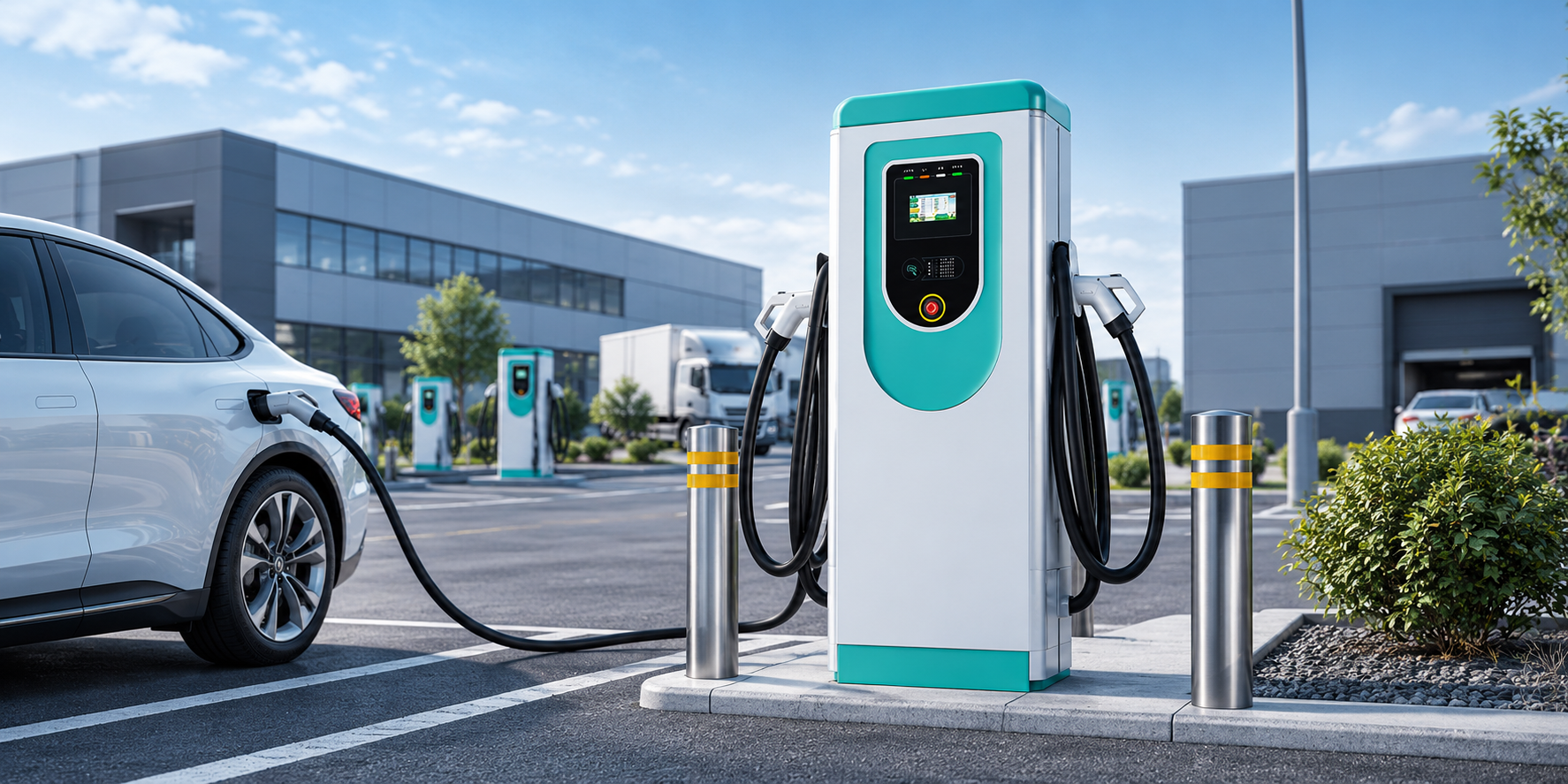
The hardware layer means chargers built for managed operation. The EVDANCE EV-AC03201T dual-connector AC station (two Type 2 connectors, up to 43 kW shared, OCPP 1.6J, RFID, IP54) and the EVDANCE EV-RHDC30K-L compact DC fast charger (22 kW DC, OCPP 1.6J, IP54) both state OCPP 1.6J — the platform link described in our OCPP explainer. The boundary is plain: EVDANCE sells charging hardware, not a platform, so whether Autocharge runs on a site is the platform provider’s feature decision — confirm it in the platform’s documentation, not in the charger brochure. The wider range is on our commercial charging page.
Frequently Asked Questions
Can any networked charger offer Autocharge?
No. The chargers must be networked, but the platform also has to support car recognition and have it enabled for the site, and each car has to present an identifier the platform can read and be registered to an account.
Does Autocharge replace card payment at a public site?
No. It is a convenience layer for registered drivers on top of ordinary payment. Open payment stays — and at NEVI-funded corridor stations, contactless card payment with no membership is a condition of the funding.
What does the driver have to do?
Register the car once in the network’s account and keep that registration current. After that, plugging in at an enabled site is the whole interaction — and removing the registration is part of selling the car.
Related Reading
- OCPP Explained: What Charge Point Operators Need From EV Charger Hardware
- How to Use a Public EV Charger (and How to Stop It)
- What Is an RFID Card for EV Charging?
- Are EV Chargers Universal?

