EV chargers live outdoors or in dusty garages for a decade or more, so ingress protection is one of the first specifications buyers compare. IP ratings are defined in IEC 60529 and describe how well an enclosure keeps out solid objects and water. The two digits are often quoted but rarely explained.
How to Read an IP Rating
The first digit covers solids and dust; the second covers water.
| Rating | Dust protection (1st digit) | Water protection (2nd digit) |
|---|---|---|
| IP54 | 5: dust-protected | 4: splashing water from any direction |
| IP55 | 5: dust-protected | 5: water jets (6.3 mm nozzle) |
| IP65 | 6: dust-tight | 5: water jets (6.3 mm nozzle) |
| IP66 | 6: dust-tight | 6: powerful water jets (12.5 mm nozzle) |
| IP67 | 6: dust-tight | 7: temporary immersion |
Higher numbers are not always better for every part. A charging station may be IP54 as a whole while its connector and electronics compartments are sealed to a higher level.
Which Rating for Which Site?
- Indoor garages and covered parking: IP54 is generally sufficient.
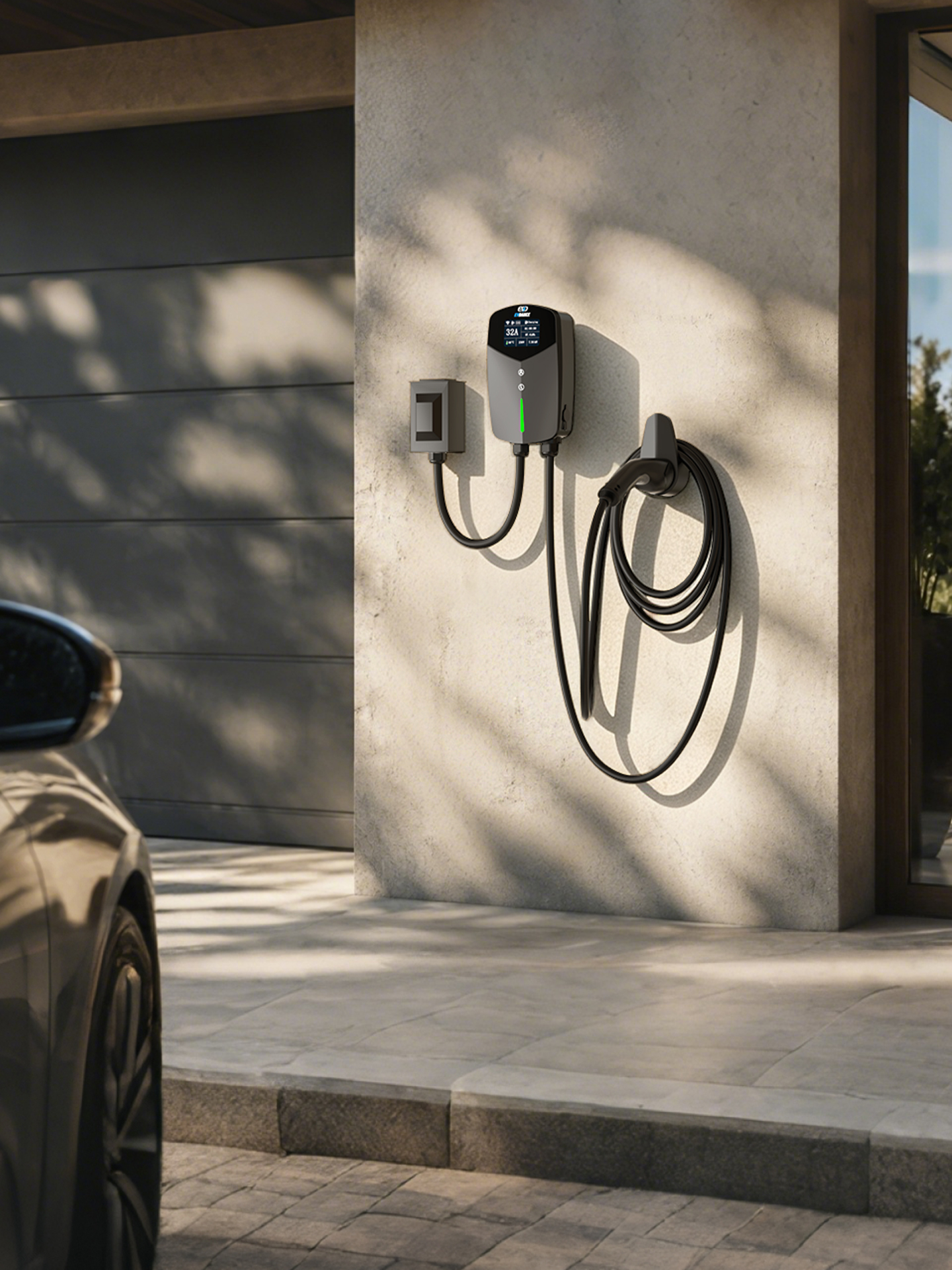
- Outdoor driveways and open car parks: IP65 or IP66 for rain, dust and hose-down cleaning.
- Coastal, desert and agricultural sites: IP66 for driven rain, sand and dust, plus corrosion-resistant materials.
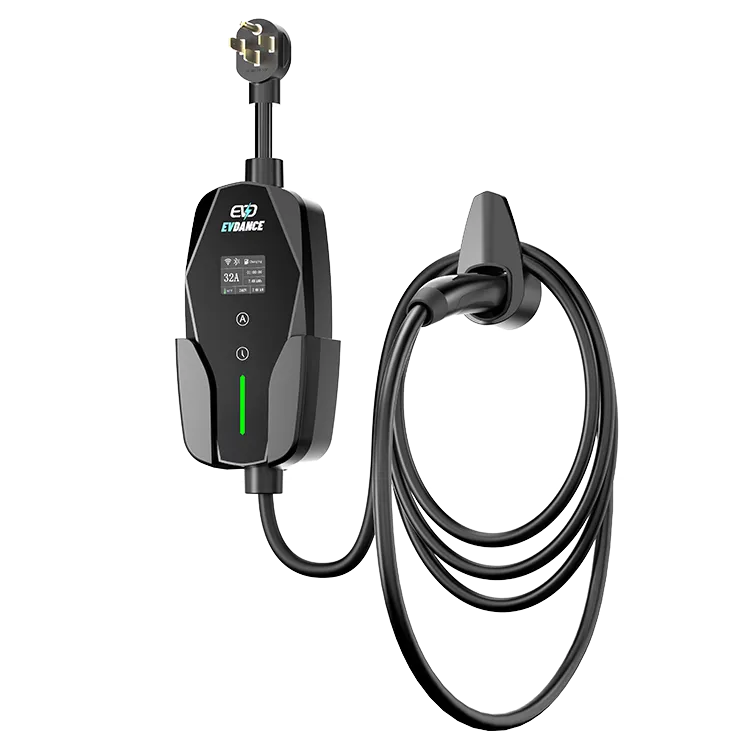
- Portable chargers: IP66 or higher on the control box, since it may lie on wet ground.
IP Is Not Impact Protection
IP ratings say nothing about impact. That is covered by IK ratings under IEC 62262, from IK01 to IK10. IK10 means the enclosure withstands a 20-joule impact, which matters in public car parks where chargers are bumped by vehicles and trolleys. For public sites, check both ratings.
Temperature Matters Too
Sealing is only part of weather resistance. Check the rated operating temperature range; many chargers, including EVDANCE models, are rated from −30°C to +50°C. In very hot regions such as the Gulf, shade or covered installation keeps chargers within that range, as our Kuwait and UAE pages explain.
Related Reading
- OEM and Private-Label EV Chargers: A Complete Guide for Brands
- Charging a Tesla: Type 2 in Europe, NACS in North America
- EV Charger Cable Length Guide: 5 m, 7.5 m or Longer?
- EV Charging News: BYD Reaches 2,000 Highway Flash-Charging Stations in China
Key Takeaways
- IP ratings (IEC 60529) describe dust and water protection; the first digit is dust, the second is water.
- IP54 suits covered sites; IP65 or IP66 suits outdoor and harsh environments.
- IK ratings (IEC 62262) cover impact resistance and matter for public car parks.
- Check the operating temperature range alongside the IP rating.
Sources & Standards
- IEC 60529 — Degrees of protection provided by enclosures (IP Code)
- IEC 62262 — Degrees of protection against external mechanical impacts (IK Code)