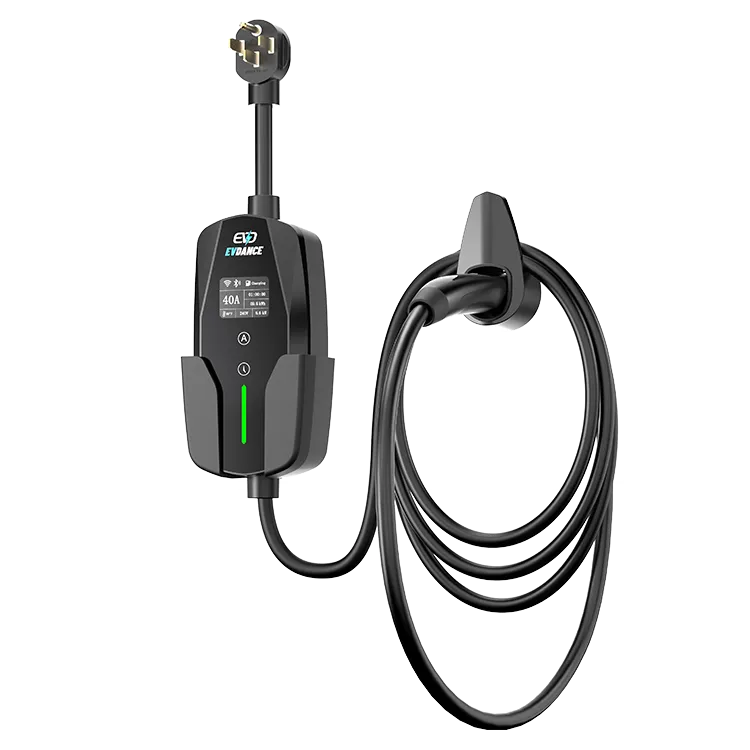
Winter is when EV drivers notice charging most. Sessions can take longer, range drops, and a stiff cable on a frozen morning is a small daily frustration. Some of these effects come from the car, some from the charging hardware, and knowing which is which helps distributors in cold markets choose the right products and set customer expectations.
Why Charging Slows in the Cold
Lithium-ion batteries accept charge more slowly when they are cold, so the car’s battery management system limits charging power until the pack warms up. Part of the incoming energy may also go into heating the battery and cabin. On AC charging overnight this rarely matters, but drivers notice it on short winter stops. Preconditioning the battery before charging, where the car supports it, helps.
What Cold Means for the Charger
- Operating temperature: check the rated minimum. Many chargers, including EVDANCE models, are rated to −30°C.
- Enclosure sealing: IP65 or IP66 keeps out snow and meltwater that can refreeze inside.
- Displays and buttons: screens can respond more slowly in extreme cold.
- Connectors: ice can form on the connector and inlet; a dust cap and holster help.
Cables in Freezing Weather
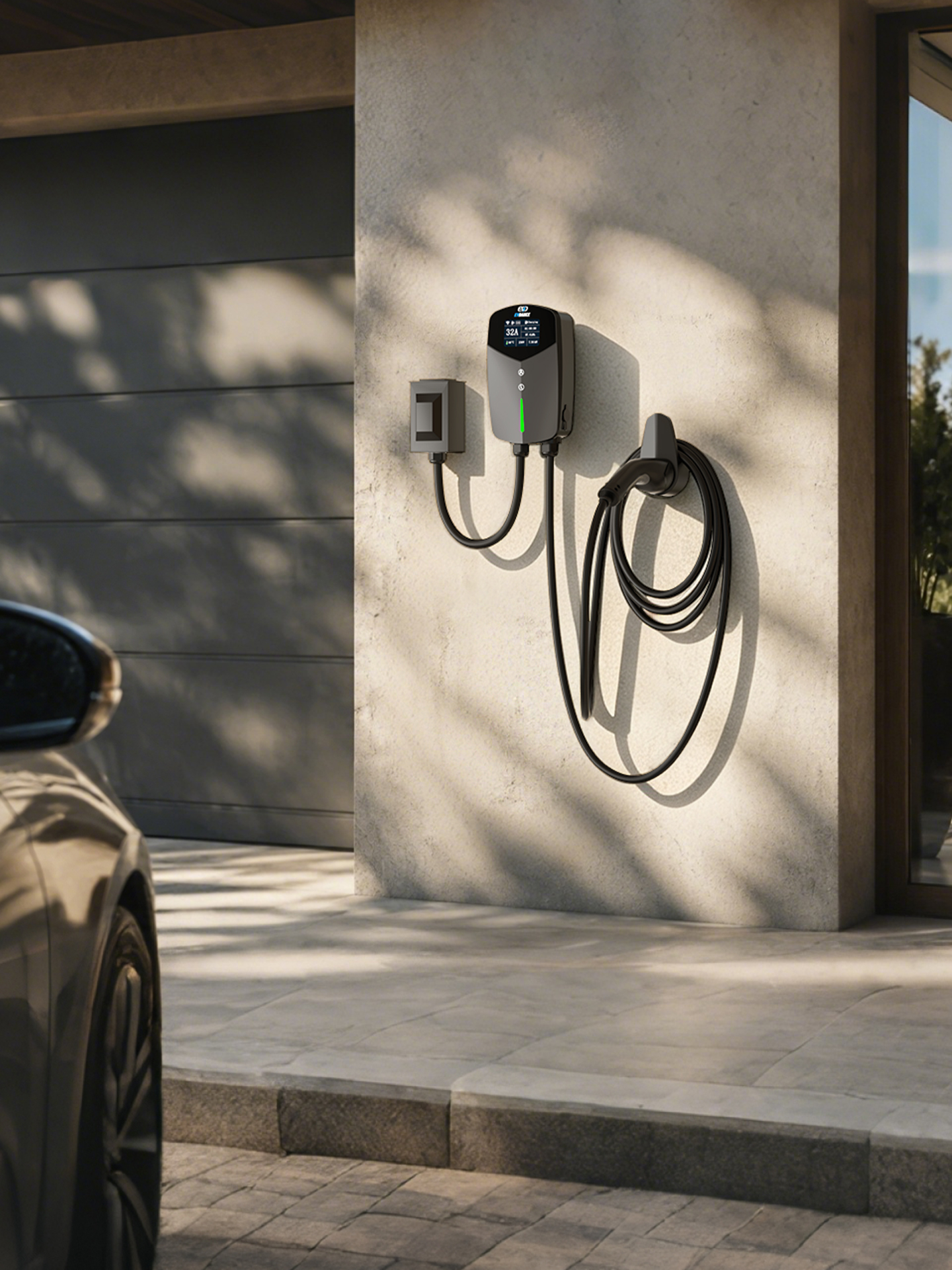
PVC cables become stiff and hard to coil in the cold. Cables with TPU jackets stay more flexible at low temperatures, which is why many portable chargers and wallboxes use TPU. Avoid bending a frozen cable sharply, and never pour hot water on a frozen connector.
Tips for Very Cold Markets
- For regions that regularly drop below the charger’s rated minimum, install it in a garage or sheltered location.
- Choose tethered cables long enough to reach the inlet without stretching.
- Schedule charging to finish shortly before departure so the battery is warm.
- In Nordic countries, pair chargers with load balancing so heating and charging share the supply.
See our market pages for Norway, Finland, Sweden and Canada.
Related Reading
- EV Charger Cable Length Guide: 5 m, 7.5 m or Longer?
- What Affects EV Charger Installation Cost? 8 Factors to Check
- EV Charging News: Mexico’s Charging Connections Grow 17.5% in First Half of 2026
Key Takeaways
- Slower winter charging usually comes from the cold battery, not the charger.
- Check the charger’s rated minimum temperature and IP rating for snow and meltwater.
- TPU cable jackets stay more flexible than PVC in freezing weather.
- Shelter chargers in regions colder than their rating and schedule charging to end near departure.
Sources & Standards
- IEC 60529 — Degrees of protection provided by enclosures (IP Code)
- IEC 61851-1 — Electric vehicle conductive charging system