If you sell private-label EV chargers on Amazon, Brand Registry is how Amazon recognises you as the owner of a brand rather than one of many sellers of a product. It gives you more say over your listings and access to brand protection tools. The entry requirements are simple to state but easy to get wrong when the product is made in a factory overseas. This guide explains them and how to plan your branding so everything lines up. For the wider picture, see our complete guide to OEM and private-label EV chargers.
Amazon updates its programs regularly, so check the current rules on Amazon’s own pages before you apply.
What Amazon requires
According to Amazon’s Brand Registry page, you need two things:
- A pending or registered trademark for your brand name or logo, issued by the trademark office of a country where Amazon has a store.
- A brand logo permanently affixed to your products or packaging.
Amazon’s guide to the requirements adds that a brand without a trademark can enroll with a pending application filed through Amazon IP Accelerator. Whichever route you choose, the trademark comes first, so file it before you order branded stock.
Trademark first, product second
The name on your trademark application should match the name printed on your chargers, cables, boxes and listings. If you file a word mark, the same word should appear on the product. If you file a logo, the logo on the housing should match the filed design. Changing the brand after the first batch means new printing, new packaging and possibly a new application.
The USPTO notes that federal registration creates rights across the whole of the US and can be recorded with CBP to help stop infringing imports. If you plan to sell in several Amazon stores, check which trademarks Amazon accepts for each one and protect the brand in each market. Our article on registering your trademark before ordering covers the USPTO, EUIPO, Madrid and CNIPA routes, including why China matters even if you never sell there.
Putting the logo permanently on a charger
For EV chargers, a sticker on the box is a weak answer. Permanent options on the product and its packaging include:
| Location | Method | Notes |
|---|---|---|
| Control box housing | Pad print, laser marking or molded logo | Most visible; keep it clear of the rating label |
| Connector handle or holster | Pad print or laser marking | Small area, so a simple logo works best |
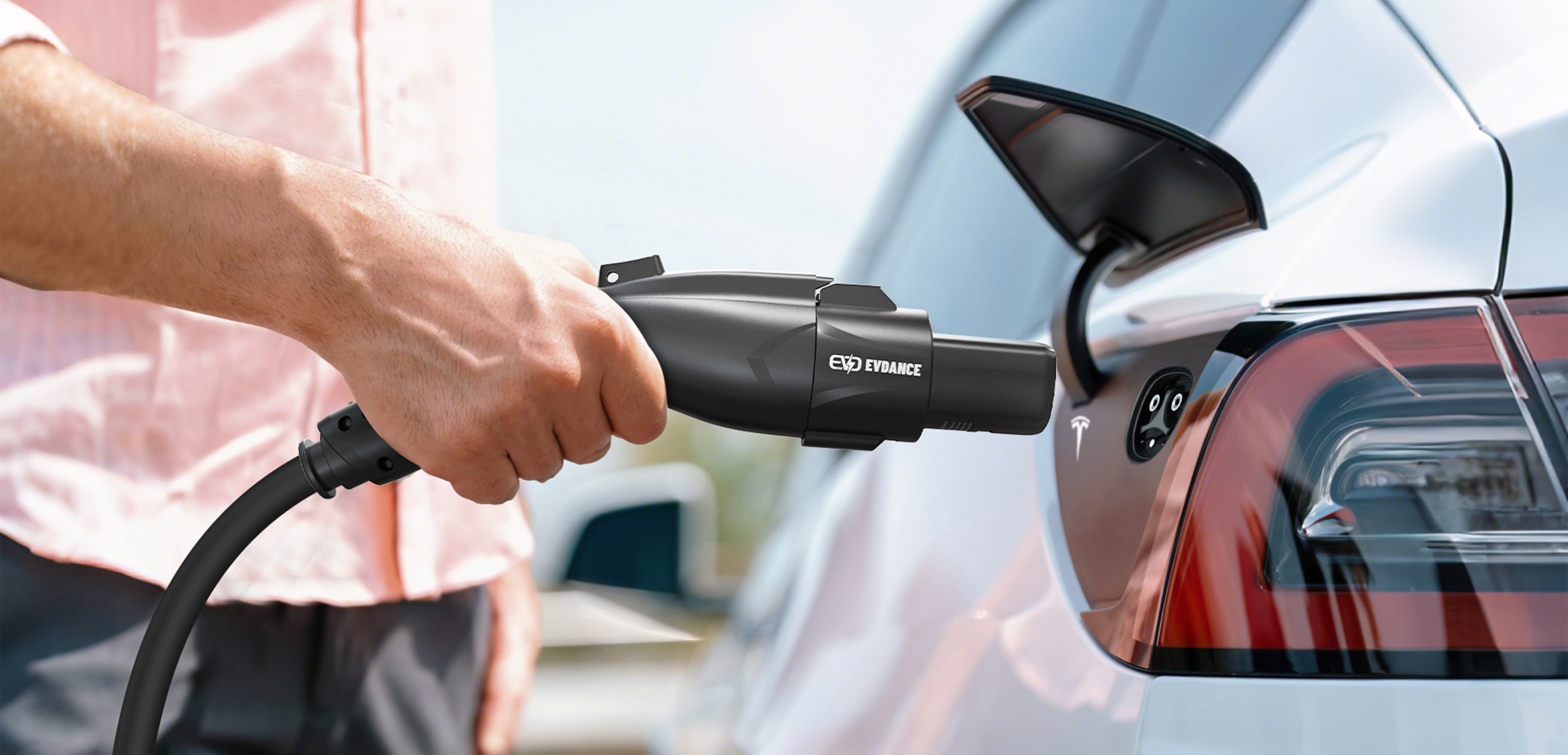
| Cable | Brand text printed along the jacket | Useful on portable chargers photographed coiled |
| LCD screen | Custom boot logo and charging graphics | Available on LCD models |
| Packaging and storage case | Printed carton or sleeve, branded EVA case | Supports the packaging route and unboxing photos |
Whatever you print, the rating label and required markings must stay legible. Our article on logo and branding options covers methods and layouts in more detail.
Listing control and product information
Once enrolled, your brand’s information carries more weight on product detail pages, which matters for technical products. A wrong current rating, connector type or plug type in a listing leads to returns and poor reviews. Keep one master data sheet for each model with ratings, connector (J1772, NACS or Type 2), grid plug, cable length and the certifications for that exact configuration, and use it for every listing and marketplace.
Enrollment also helps if another seller copies your images or uses your brand name, because you have a registered or pending trademark to point to when you report it to Amazon.
Brand Registry does not replace product compliance. Marketplaces and authorities can ask for certificates and test reports, so keep them ready for each model you list. Our checklist for selling portable EV chargers online covers the documents and listing details to prepare.
A launch sequence that works
- File your trademark, or a pending application through IP Accelerator.
- Approve logo placements and packaging artwork with your factory.
- Order samples with final branding and photograph them for your listing and application.
- Apply to Brand Registry once the trademark is filed and branded product exists.
- Place the production order, inspect it, and ship to your fulfilment channel.
Running these steps in order avoids the most common problem: a batch of chargers in stock with branding that does not match the trademark Amazon is checking against.
Avoidable problems
- The brand on the product differs from the trademark, for example extra words, a different spelling or a different logo.
- The logo appears only on a removable sticker or hang tag.
- The trademark was filed by a factory, agent or partner in its own name instead of the brand owner’s.
- Listing photos show an unbranded catalogue product rather than your final branded charger.
Each of these is cheap to fix before production and expensive to fix afterwards, so check them at the artwork approval stage.
Private-label chargers from EVDANCE
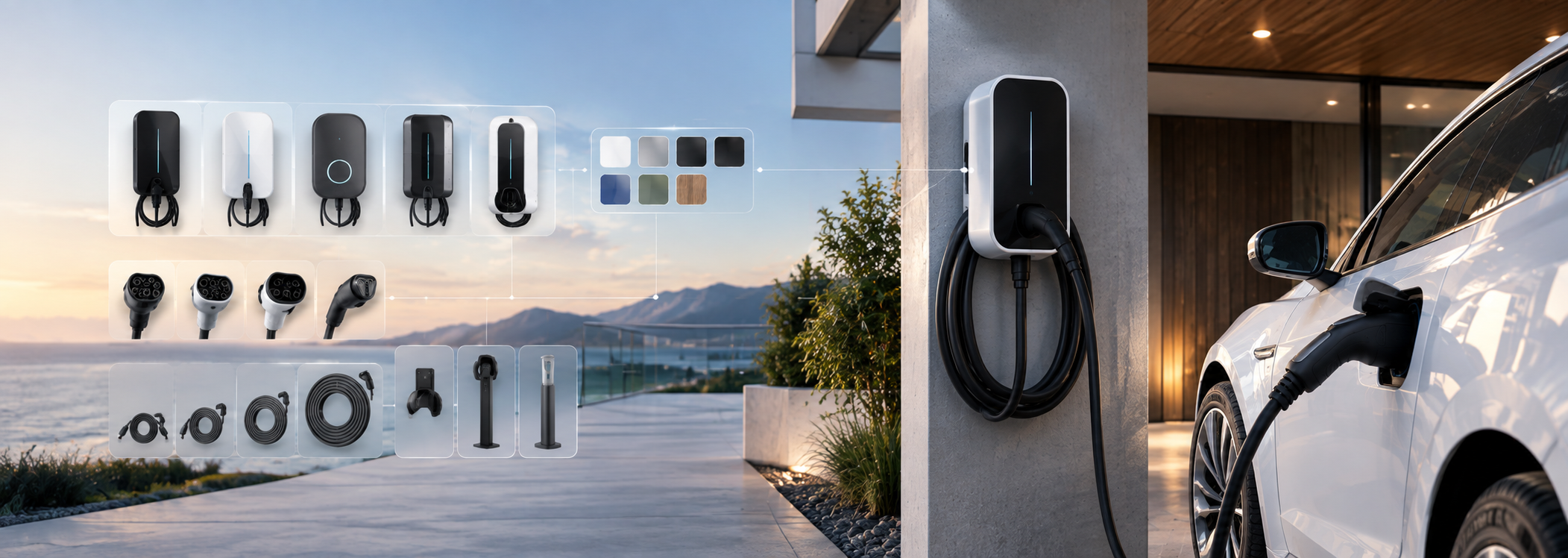
EVDANCE offers private label from 50 units, with your logo and colours on the housing, cable and packaging, custom boot logos and charging graphics on LCD models, and custom EVA hard-shell storage cases. Connectors can be NACS (SAE J3400), J1772 or Type 2, with cable lengths to suit each market. Browse the product range to choose a base model, and see the OEM and ODM program for how branding is approved. Certification marks vary by model, so request the certificate and test report for the exact model and configuration you plan to sell.
Key Takeaways
- Brand Registry needs a pending or registered trademark from a country with an Amazon store and a logo permanently on the product or packaging.
- File your trademark before ordering branded stock so the name on the product matches the application.
- On chargers, put the logo on the housing, cable or LCD and keep the rating label and required marks legible.
- Brand Registry helps with listing control but does not replace certificates and test reports for each model.
Sources & Standards
- Amazon (Sell on Amazon) — Amazon Brand Registry
- Amazon (Sell on Amazon) — What are the requirements for enrolling a brand in Amazon Brand Registry?
- Amazon Brand Services — Brand Registry eligibility
- U.S. Patent and Trademark Office — Why register your trademark?