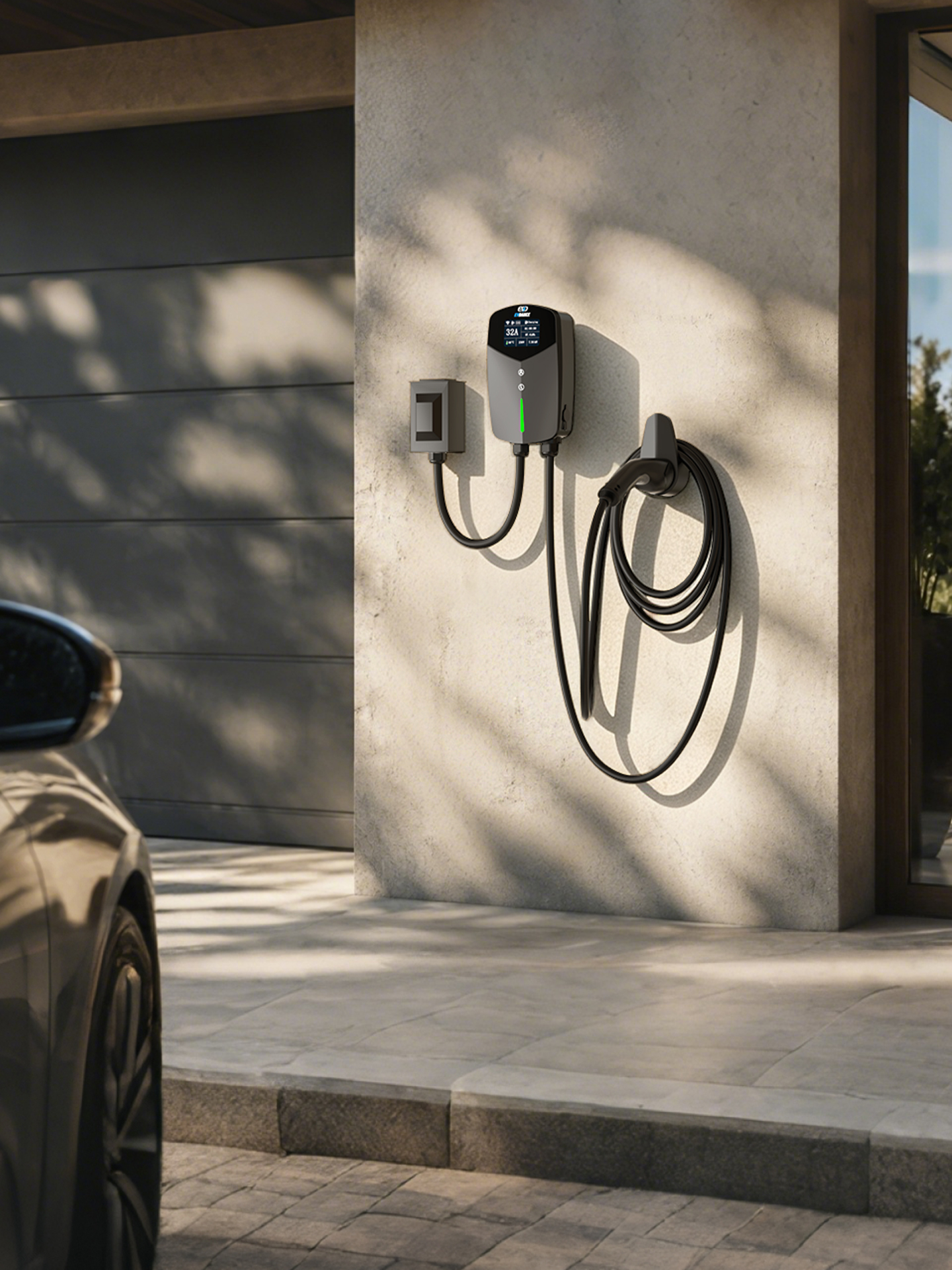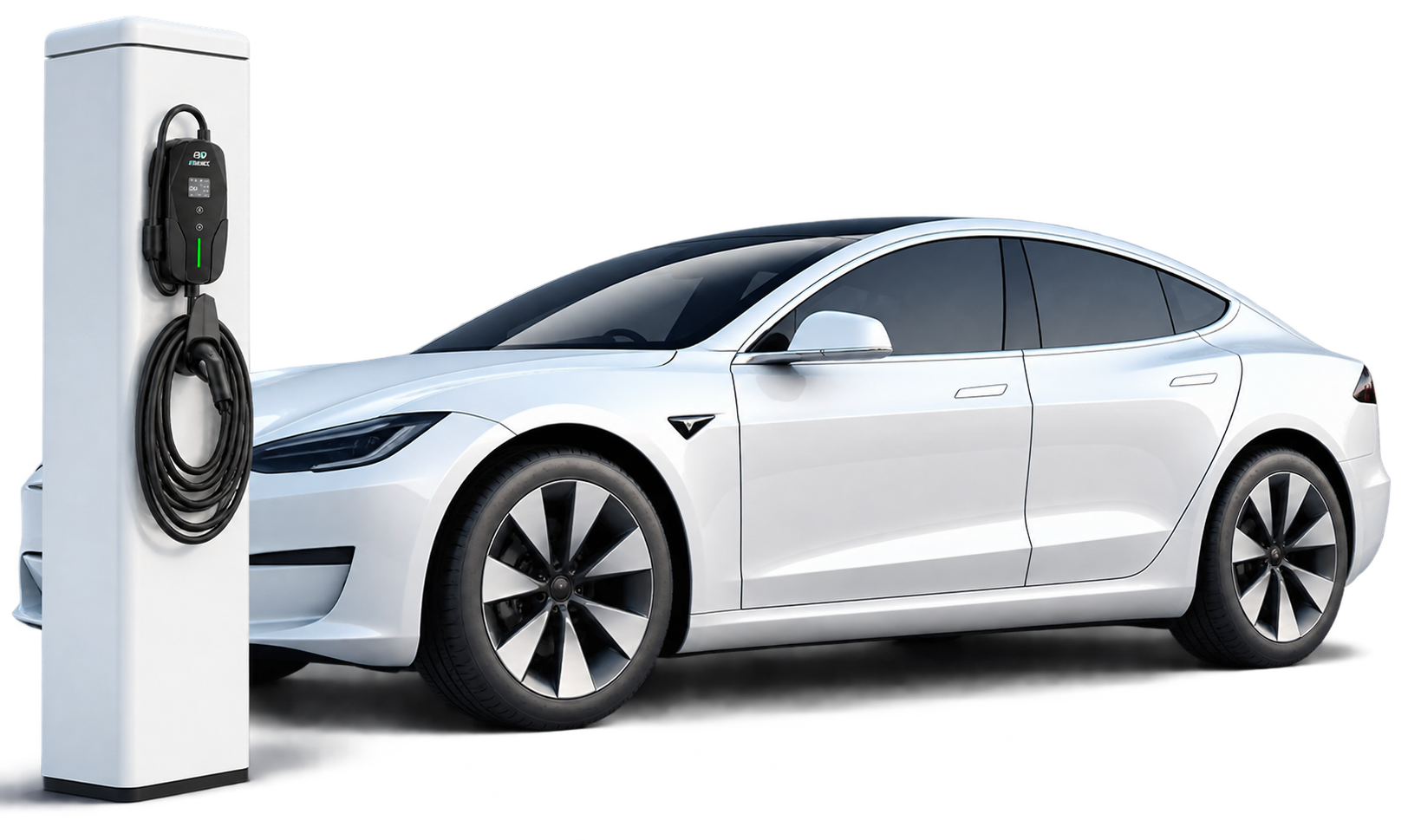
ENERGY STAR is a voluntary label, yet for EV chargers sold in the United States it often decides whether a product qualifies for a utility rebate or makes it onto a retailer’s shortlist. If you are planning a private-label Level 2 charger for North America, it is worth understanding what the label requires before you lock the design and the certification plan.
This article explains what the ENERGY STAR program checks, why utilities care about it, and how a brand owner gets a rebranded charger certified. It is part of our complete guide to OEM and private-label EV chargers.
What ENERGY STAR covers for EV chargers
ENERGY STAR is run by the U.S. Environmental Protection Agency together with the Department of Energy. For chargers, the program publishes a specification for electric vehicle supply equipment (EVSE). The current document is the ENERGY STAR Version 1.2 EVSE specification, which defines scope, test methods and the limits a model must meet.
The program’s key product criteria for EVSE can be summed up in three points:
- Safety first: each charger must be listed by a Nationally Recognized Testing Laboratory (NRTL) for safety.
- Low power when not charging: the specification sets maximum power for No Vehicle, Partial On and Idle modes, the states where the unit is energised but not delivering a full charge.
- Optional connected functionality: a model can also be recognised as connected if it supports demand response over open communication standards. This is not mandatory.
Read the scope section of the specification for your exact product type. Wall-mounted units, pedestals and portable cord sets do not always sit in the same place in a certification plan, so confirm with your certification body before you budget for testing.
Why utilities and retailers pay attention
A charger spends most of its life plugged in but not charging. ENERGY STAR states that certified EV chargers use 40% less energy in standby mode than standard models. Across thousands of homes that difference adds up, which is one reason utilities use the label as a simple screen.
ENERGY STAR’s own guidance for utilities lists the reasons they support certified chargers: lower standby energy use, NRTL safety listing, and connected models that may support participation in utility demand response programs. For a utility, the label removes the need to evaluate every charger brand from scratch.
What this means for your sales channels
- Rebates: many utility and state incentive programs publish a qualified product list. If the list is built from ENERGY STAR data, an uncertified model is simply not eligible. Check each program’s rules for the regions you sell in.
- Retail and e-commerce: buyers often compare models on certification. A visible ENERGY STAR status can shorten the conversation with a retail category manager.
- Installers: contractors who help customers claim rebates tend to recommend models they know will qualify.
Standby power is a design decision
Meeting the low-power limits is easier when it is planned at the design stage. Display backlights, status LEDs, Wi-Fi or cellular modules and the internal power supply all draw current while the charger waits for a car. A smart model with an always-on radio has less margin than a basic unit.
| Design element | Effect on standby power | Question for your supplier |
|---|---|---|
| Auxiliary power supply | Main source of no-load loss | What is the measured input power with no vehicle connected? |
| LCD or LED indicators | Constant draw if never dimmed | Can the display sleep or dim after a set time? |
| Wi-Fi or cellular module | Adds draw to keep the connection alive | Which low-power modes does the module support? |
| Relay or contactor coil | Usually off when idle, check it | Is the coil de-energised when not charging? |
Ask for standby measurements on the sample you receive, and repeat them on the pilot run. Our guide on how to test an EV charger sample covers bench checks you can add to the list.
How a private-label charger gets ENERGY STAR status
ENERGY STAR certification is based on third-party testing and review, and the safety listing has to be in place as well. For a rebranded product, the order of work usually looks like this:
- Secure the NRTL listing first. OSHA’s NRTL Program explains how recognised labs certify products to U.S. safety standards. Our article on UL and ETL listing for EV chargers covers the process.
- Make sure the listing covers your brand name. If the factory holds the original listing, the lab may offer a multiple or alternate listing for your brand. See who owns the certificate in a private-label charger.
- Join ENERGY STAR as a brand owner partner and work with an EPA-recognised certification body. The certification body arranges or reviews testing and submits the model for listing.
- Check that your brand and model number appear on the certified product list before you advertise the label.
Keep the model number on the rating label, the datasheet and the ENERGY STAR listing identical. Small differences, such as a suffix for cable length or plug type, can cause confusion when a utility checks eligibility.
Smart chargers and connected functionality
If you plan a smart charger with an app, decide early whether you want the optional connected criteria. Demand response over open standards means the charger, or its cloud back end, can respond to utility signals to shift or reduce charging. Many networked chargers use the Open Charge Point Protocol between the charger and the management system. Read OCPP explained for the basics, and our article on white-label apps for smart EV chargers for the branding side.
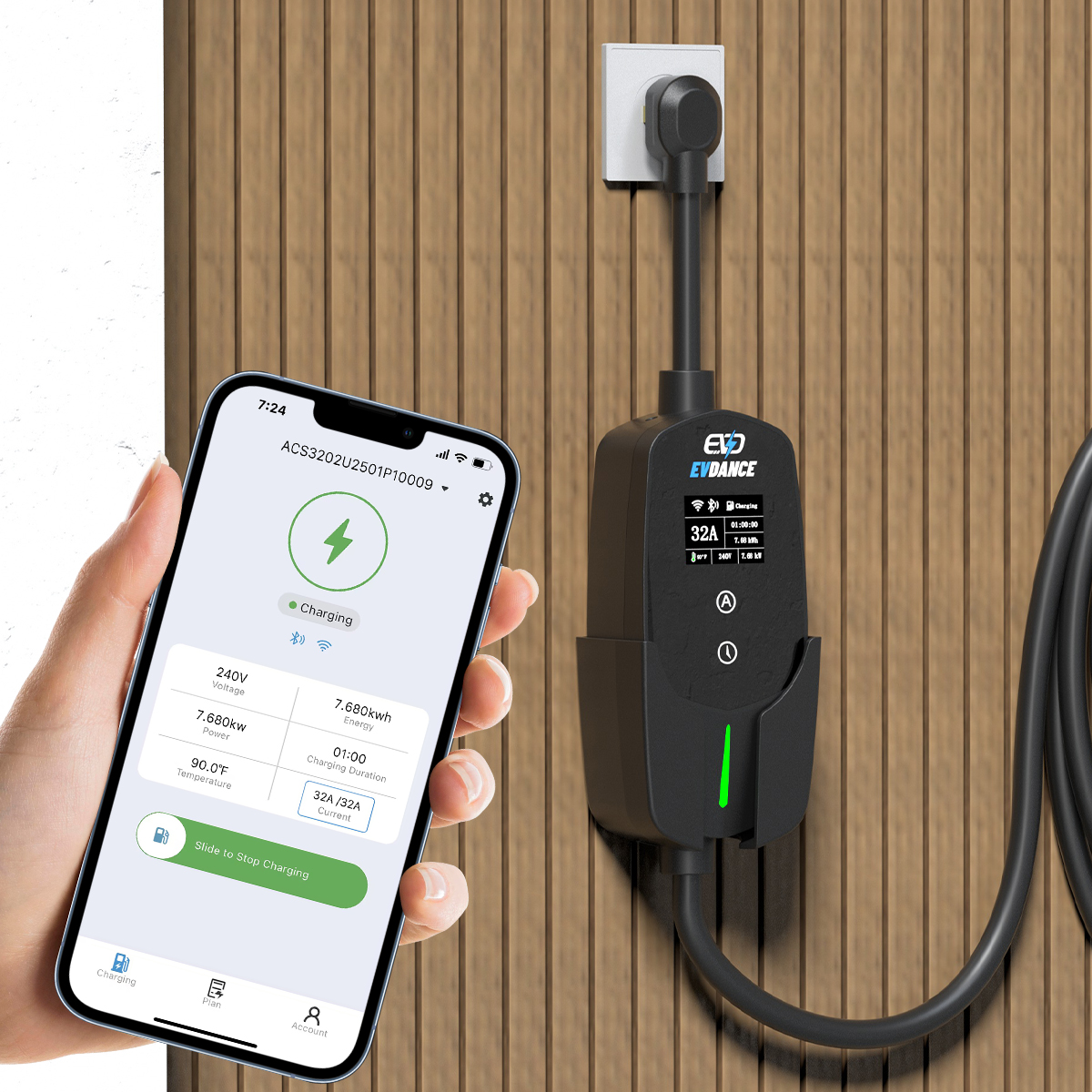
Connected features also add standby load, so the radio and power-supply design need to be checked against both goals at once.
Planning ENERGY STAR into an OEM project
EVDANCE builds wall-mounted and portable chargers for brands under OEM and ODM programs, with in-house engineering, injection molding, assembly and testing in Shenzhen. A dedicated account engineer follows each project from sampling to mass production, which helps when standby measurements and test samples need to match.
Certification marks vary by model and configuration. Before you plan rebates or retail listings around ENERGY STAR, request the certificate and test report for the exact model, connector and plug you intend to sell. To discuss a program, see our OEM and ODM program or contact the team.
Key Takeaways
- ENERGY STAR for EV chargers requires NRTL safety listing plus limits on power use when the charger is not delivering a full charge.
- Utilities often use the label as an eligibility screen, so an uncertified model can miss rebate programs entirely.
- Standby power depends on the power supply, display and radio module, so it should be planned at the design stage.
- For a private-label charger, the NRTL listing and the ENERGY STAR listing must both cover your brand and exact model number.
Sources & Standards
- ENERGY STAR (U.S. EPA and DOE) — Electric Vehicle Supply Equipment Key Product Criteria
- ENERGY STAR (U.S. EPA and DOE) — Electric Vehicle Chargers
- ENERGY STAR (U.S. EPA) — Electric Vehicle Chargers: How Utilities Can Benefit
- ENERGY STAR (U.S. EPA) — Program Requirements for EVSE, Version 1.2 Final Specification
- U.S. Occupational Safety and Health Administration — Nationally Recognized Testing Laboratory Program