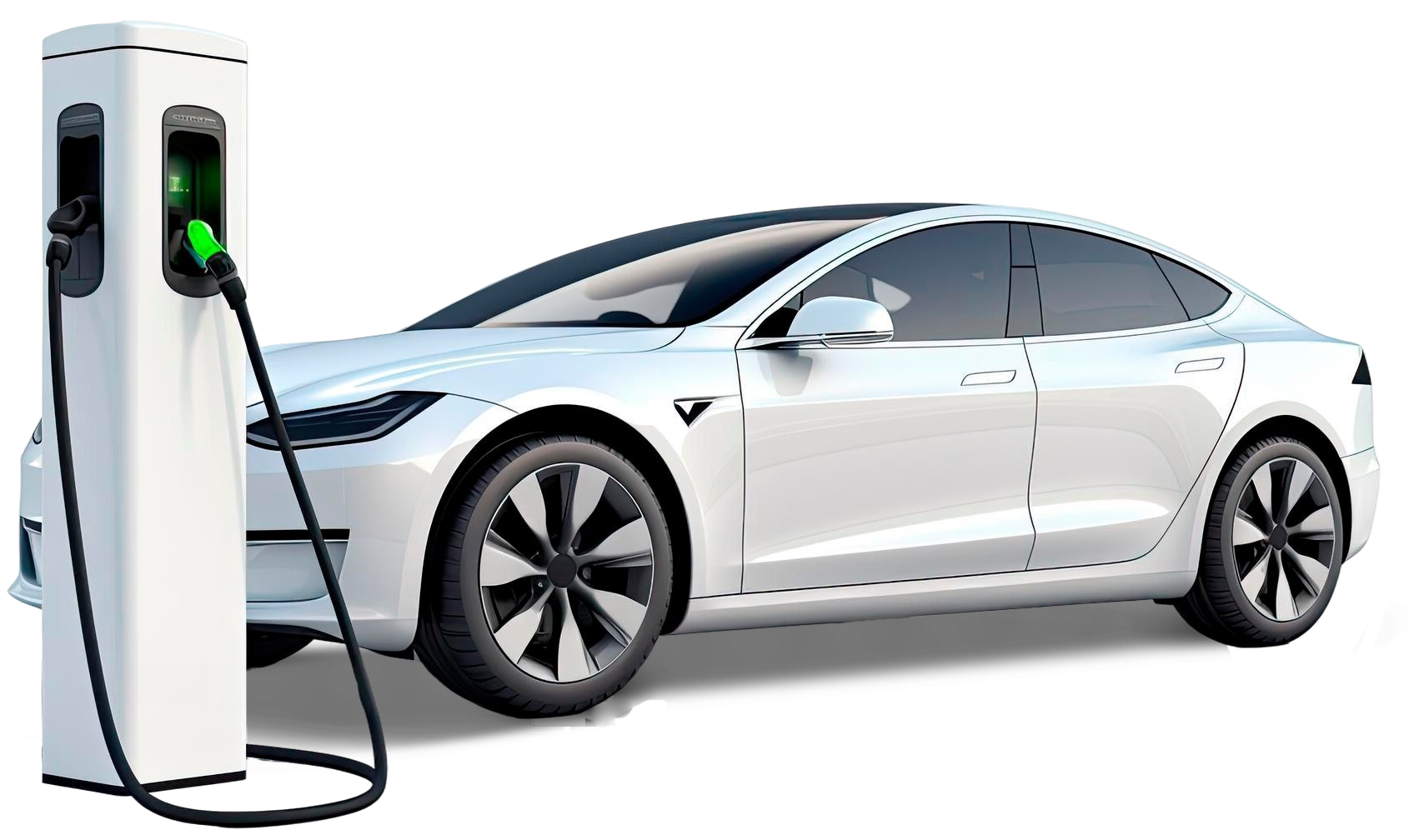
North American buyers, electrical inspectors and utilities often ask the same first question about an EV charger: is it listed? In the US, listing means a Nationally Recognized Testing Laboratory has certified the product to the applicable safety standards and authorized its mark on the product. UL and ETL are the marks most buyers recognize, and both work within the same system.
This article explains how NRTL certification works, which standards apply to EV chargers and what a private-label brand should check before ordering. It sits within our OEM and private-label EV charger guide.
What an NRTL is
OSHA’s Nationally Recognized Testing Laboratory Program recognizes private-sector organizations to certify products against electrical safety standards, and each NRTL uses its own registered certification mark. OSHA publishes a current list of NRTLs, which includes UL LLC and Intertek Testing Services NA, the organization behind the ETL mark.
The practical point for buyers is that a UL mark and an ETL mark both indicate NRTL certification. Neither is a government approval, and neither is automatically better. What matters is that the right standard was used, the product you receive matches the certified one, and the certification is current.
You may also see the terms listed, certified and recognized. A listed or certified product has been evaluated as a complete end product. A recognized component, such as a relay or terminal block, has been evaluated for use inside other equipment and is not certified as a finished product on its own. For a charger, ask for end-product certification rather than a list of recognized components.
Why listing matters for EV chargers
- Electrical inspectors: the National Electrical Code, adopted in most US jurisdictions, generally requires EV supply equipment to be listed.
- Retailers and marketplaces: many ask for proof of NRTL certification before they accept a charger.
- Utilities and rebates: incentive programs often require listed or ENERGY STAR equipment, and the ENERGY STAR key product criteria require NRTL safety listing; see ENERGY STAR for EV chargers.
- Workplaces: OSHA rules on electrical equipment used by employees often mean NRTL-certified products in practice.
- Liability: listing is evidence that the product met recognized safety standards.
Standards that apply to EV chargers
| Standard | Scope | Relevant to |
|---|---|---|
| UL 2594 | EV supply equipment rated up to 1000 V ac, including EV cord sets and fastened and fixed charging stations | Portable chargers and wallboxes |
| UL 2231-1 and UL 2231-2 | Personnel protection systems that reduce the risk of electric shock in EV supply circuits | The charge circuit interrupting device inside the charger |
| UL 2251 | EV plugs, receptacles, vehicle inlets, connectors and breakaway couplings up to 800 A and 1000 V ac or 1500 V dc | The vehicle connector (J1772 or NACS) and couplers |
UL 2594, now in its third edition, is the main EVSE standard. UL 2231-1 covers devices and systems that reduce shock risk from accessible parts, and UL 2251 covers connector hardware. Depending on the design, the lab may also evaluate the cord, grid plug and enclosure. Products for Canada are evaluated to Canadian requirements, and many marks carry a ‘C’ indicator for Canadian coverage; ask the lab which markets your certification includes.
How certification works, step by step
- Application: the manufacturer or an associate company submits the product, construction details and a critical component list.
- Evaluation and testing: the lab reviews construction and tests samples to the standard, for example temperature rise, dielectric strength, fault protection and abnormal operation.
- Initial production inspection: the lab may inspect the factory before the mark can be applied.
- Listing: the product appears in the NRTL’s online directory under the certificate holder’s file.
- Follow-up services: the lab inspects the factory periodically to check that production still matches the certified design.
Changes after listing need care. A new cable supplier, relay, PCB revision or production site can require re-evaluation, so the factory should notify the lab before making them.
Listing for a private-label brand
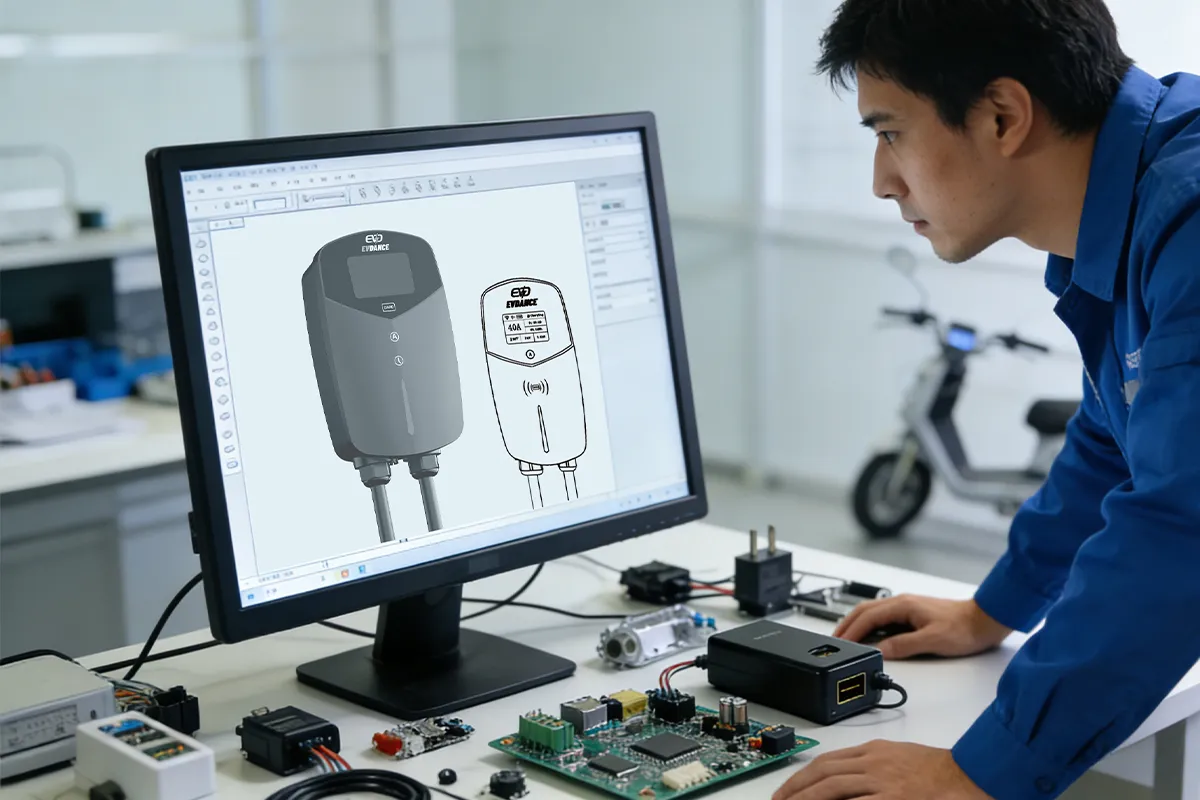
A listing belongs to the certificate holder, which is usually the factory, and your brand does not appear automatically. UL’s Multiple Listing service lets identical certified products be sold under different brand names, with each brand shown in UL’s online database. Other NRTLs have their own procedures. Our article on who owns the certificate in a private-label charger explains the trade-offs between using the factory’s file and applying in your own name.
Before you order, search the NRTL’s online directory for the file and confirm that the model, ratings and factory match. A listing for a 32 A model does not automatically cover a 40 A variant, and a listing for one plug or cable configuration may not cover another unless the file includes it. Check the label too: the NRTL mark on your units should match the certification file.
Checklist and next steps
- Ask for the certificate or listing letter and the file number for the exact model.
- Check the online directory yourself.
- Confirm which standards and editions were used.
- Confirm whether your brand will be added, and who pays for it.
- Require notice before any change to components or production site.
- Remember that FCC authorization is a separate requirement; see FCC rules for EV chargers.
Certification marks at EVDANCE vary by model, so request the certificate and test report for the exact model and configuration. Our OEM and ODM program provides documentation during sampling, and you can contact us about a specific model. For compliance questions, confirm with the NRTL itself.
Key Takeaways
- UL and ETL are both certification marks from OSHA-recognized NRTLs, and neither is a government approval.
- UL 2594 is the main EVSE standard, with UL 2231 covering personnel protection and UL 2251 covering connectors and couplers.
- A listing belongs to the certificate holder, so private-label brands should confirm whether their brand is added, for example through UL multiple listing.
- Check the NRTL’s online directory yourself and require notice before any change to components or production site.
Sources & Standards
- OSHA — Nationally Recognized Testing Laboratory Program
- OSHA — Current List of NRTLs
- UL Standards & Engagement — UL 2594, Electric Vehicle Supply Equipment
- UL Standards & Engagement — UL 2231-1, Personnel Protection Systems for EV Supply Circuits
- UL Standards & Engagement — UL 2251, Plugs, Receptacles and Couplers for Electric Vehicles