Charger spec sheets are full of acronyms — IP66, OCPP 1.6, ISO 15118, CE, UL, CSA, RoHS — that get thrown around as marketing shorthand for “this is a good, safe product.” Most of them actually mean something specific and independently verifiable. Understanding what each one covers (and doesn’t) is the difference between evaluating a wall-mounted EV charger on real engineering merit versus taking a manufacturer’s word for it.
IP66: What “Waterproof” Actually Means
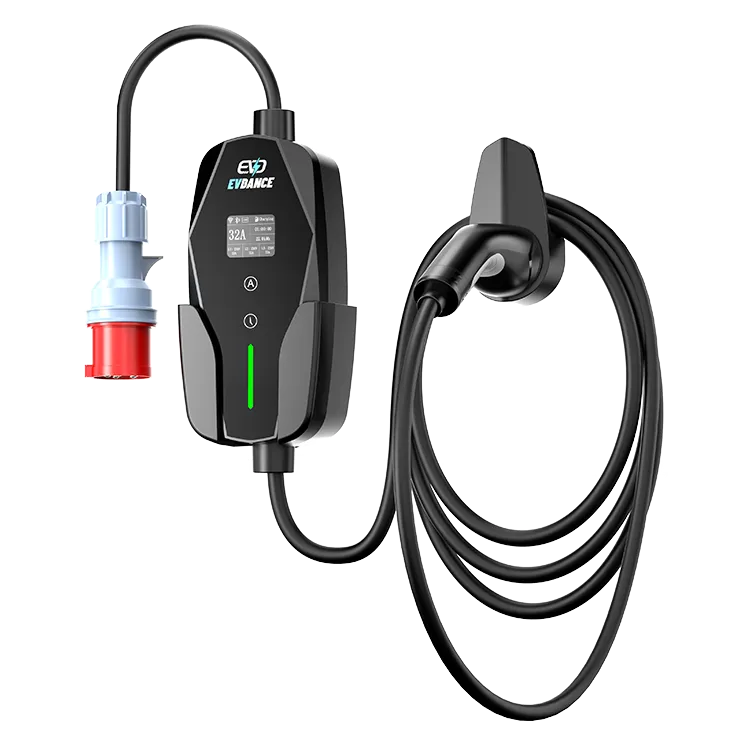
IP ratings (Ingress Protection) are a two-digit code defined by international standard IEC 60529. The first digit covers protection against solid objects and dust; the second covers protection against liquid. IP66 — the benchmark for outdoor wall-mounted chargers — means the enclosure is completely dust-tight (the “6” in the first position, the highest rating available) and can withstand powerful water jets from any direction (the “6” in the second position). This is meaningfully more protection than IP54 or IP55 ratings sometimes seen on cheaper units, which only guarantee protection against limited dust ingress and low-pressure water splashes — not a heavy rainstorm hitting a wall-mounted unit at an angle, or a garden hose during cleaning. When comparing chargers, IP66 should be treated as a floor, not a bonus feature, for anything mounted outdoors permanently.
OCPP 1.6: The Protocol Behind “Smart” Charging
Open Charge Point Protocol (OCPP) is the industry-standard communication language between a charger and a backend management system. OCPP 1.6, the most widely deployed version, allows a charger to report status, accept remote start/stop commands, support load balancing across multiple units on a shared electrical service, and integrate with third-party billing or fleet management software. Crucially, OCPP is an open standard — a charger that supports it isn’t locked into a single manufacturer’s app or cloud platform, which matters enormously for commercial buyers who don’t want their charging infrastructure tied permanently to one vendor’s software roadmap.
ISO 15118: Plug-and-Charge, and the Road to V2G
Where OCPP handles charger-to-backend communication, ISO 15118 governs communication directly between the vehicle and the charger. It’s the standard that enables “plug-and-charge” authentication (no card tap or app required — the vehicle and charger authenticate automatically) and is a prerequisite for bidirectional vehicle-to-grid (V2G) charging, where an EV’s battery can eventually feed power back to a home or the grid during peak demand. Support for ISO 15118 in current-generation hardware is effectively future-proofing — the charger itself doesn’t need every capability activated today, but the hardware needs to be capable of it before software and utility programs catch up.
Reading the Certification Alphabet
Independent certifications matter because they mean a third-party lab — not the manufacturer — verified the claims. Here’s what the common marks actually cover for EV charging equipment:





- CE — Required for equipment sold in the EU/EEA; confirms the product meets EU health, safety, and environmental protection requirements.
- UL — A North American mark from Underwriters Laboratories, testing specifically for electrical and fire safety; widely requested by electrical inspectors and insurers in the US.
- CSA — The Canadian equivalent safety certification, often required alongside or instead of UL for installations in Canada.
- FCC — Confirms the device’s electromagnetic emissions fall within limits that won’t interfere with other electronics — relevant for any charger with wireless connectivity or a digital display.
- RoHS — Restriction of Hazardous Substances; confirms the product doesn’t contain banned levels of lead, mercury, cadmium, and other hazardous materials in its construction.
- CB Scheme — An internationally recognized test certificate that streamlines certification across the roughly 50 countries that participate in the IECEE CB Scheme, reducing duplicate testing when a product is sold in multiple markets.
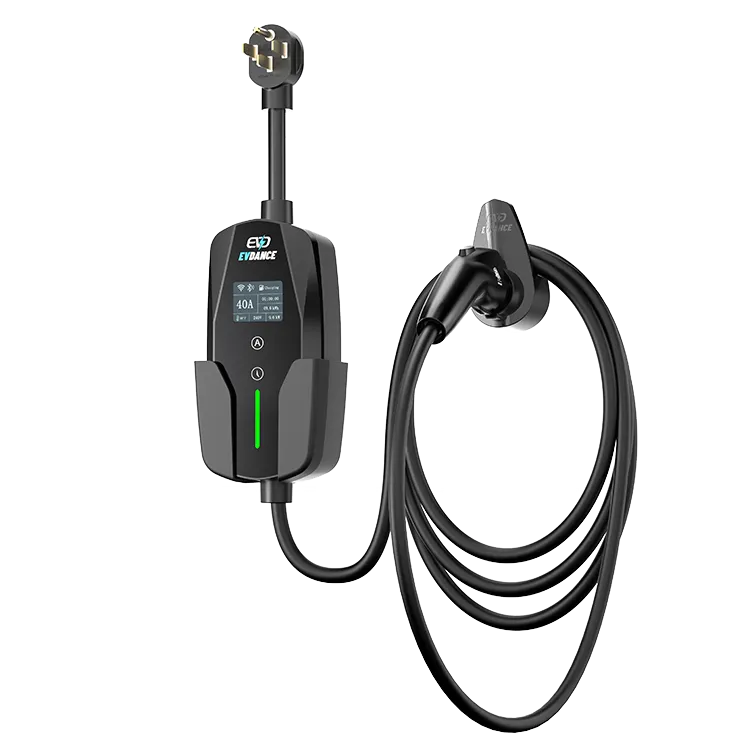
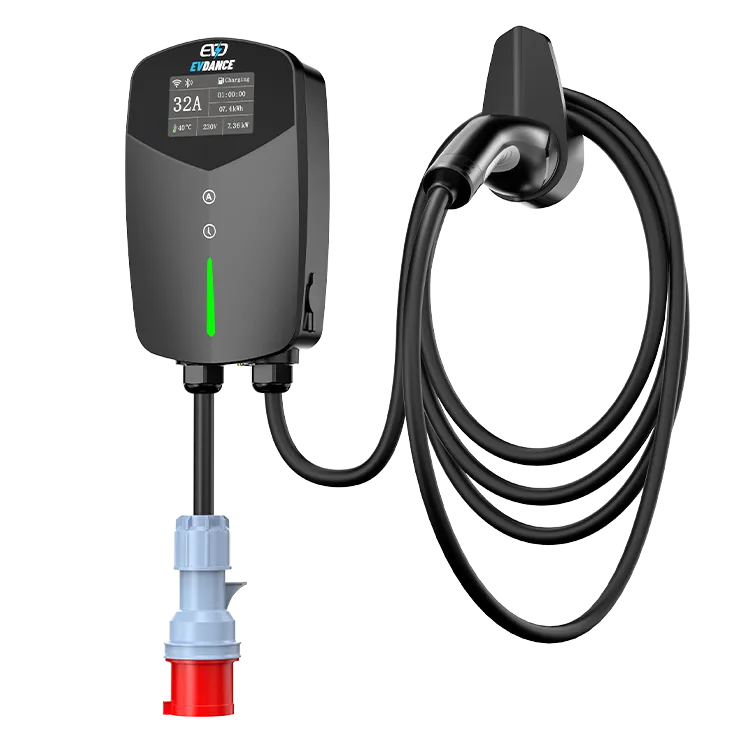
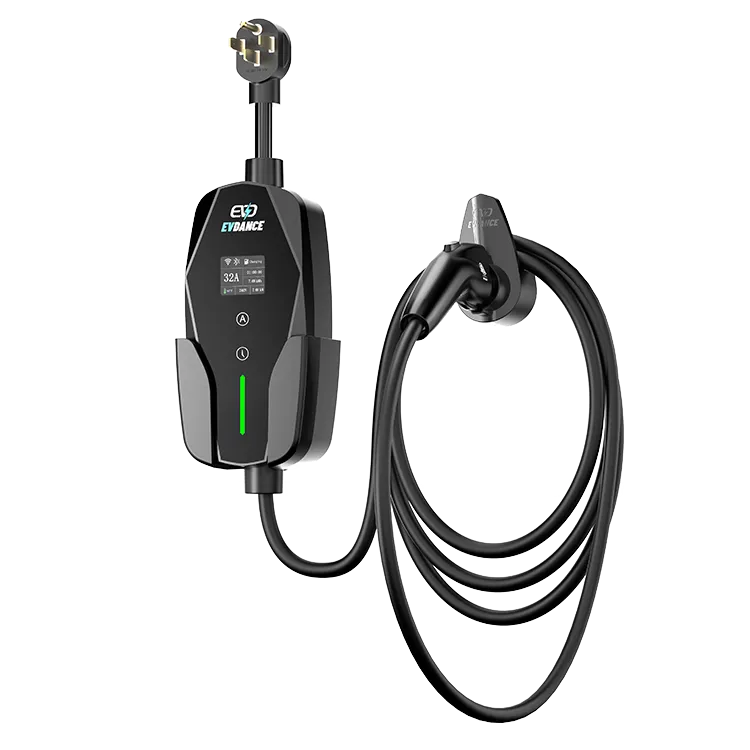
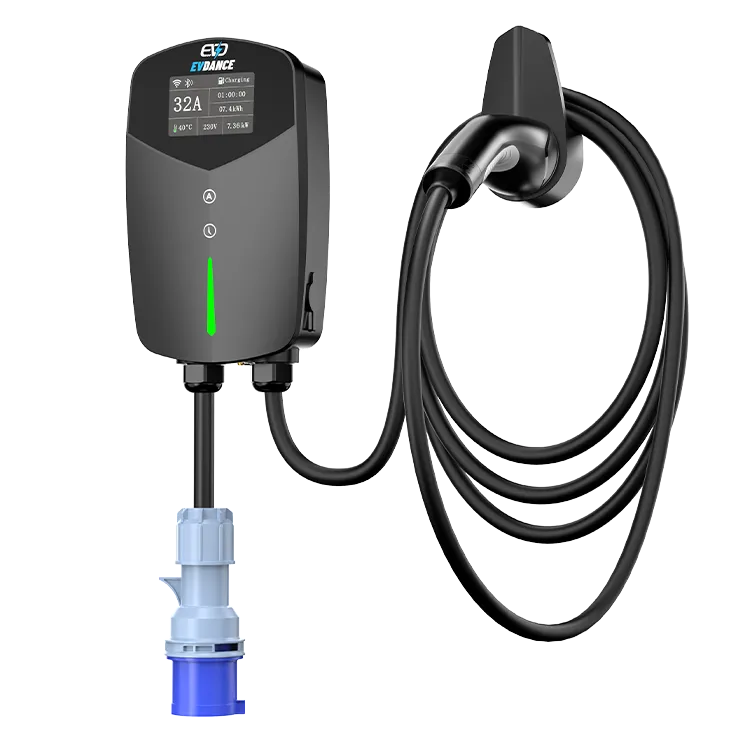
A charger genuinely built to these standards, like EVDANCE’s Smart AC Series, will list each certification with test report references available on request — not just a logo on the packaging.
Material Specs That Back Up the Certifications
Certifications describe the outcome of testing; material choices explain why a product passes. Two specs worth checking directly: conductor material (copper or silver-plated copper conductors have lower resistance and better heat dissipation than lower-grade alternatives, which matters for a device carrying 30-50 amps continuously) and housing material (PC — polycarbonate — and TPU jacketing resist UV degradation, impact, and temperature extremes better than generic ABS plastics used in some budget chargers). Working temperature range is also a useful cross-check: a charger genuinely rated for -30°C to +50°C operation (with -40°C to +85°C storage tolerance, as EVDANCE’s Smart AC Series carries) has been tested across a far wider range than one only rated for “typical” climates.
Certification & Standards Reference Table
| Mark / Standard | Type | Covers | Relevant Market |
|---|---|---|---|
| IP66 | Ingress protection | Dust-tight enclosure, powerful water jets from any direction | Global — outdoor installs |
| OCPP 1.6 | Communication protocol | Charger-to-backend management, load balancing, billing | Global — smart/networked charging |
| ISO 15118 | Communication protocol | Vehicle-to-charger, plug-and-charge, V2G readiness | Global — next-gen EVs |
| CE | Safety certification | EU health, safety, environmental requirements | EU / EEA |
| UL | Safety certification | Electrical and fire safety | United States |
| CSA | Safety certification | Canadian electrical safety equivalent to UL | Canada |
| RoHS | Compliance mark | Restriction of hazardous substances in materials | EU and adopting markets |
Putting the Checklist Together
When you’re comparing wall-mounted EV chargers, look past the marketing copy and check for: IP66 (verified, not just claimed) for anything outdoors; OCPP 1.6 support if you want backend integration or multi-unit load balancing; ISO 15118 if plug-and-charge or future V2G matters to you; and a specific, verifiable list of safety certifications (CE, UL, CSA, FCC, RoHS) matched to your installation region. Reputable manufacturers document all of this openly — treat vagueness on any of these points as a signal to keep comparing options.