
An AC adapter’s rating is a ceiling, not a speed. The JT02 is rated up to 80 A, but real charging speed is the lowest of three limits: what the charger offers, what the adapter can carry, and what your car’s onboard charger accepts. In most cases the car or the charger is the limit, so a J1772 car on a NACS AC charger charges about as fast as it would on a J1772 charger of the same output.
Key Takeaways
- Real speed is the lowest of charger, adapter and car limits.
- The JT02’s 80 A rating is rarely the bottleneck.
- 208 V supplies give about 13% less power.
- Keep adapter contacts clean and dry.
The Three Limits
| Component | Typical limit | Example |
|---|---|---|
| Charger (EVSE) | The current it offers the car | 32 A, 40 A or 48 A home and destination units |
| Adapter | Its rated current | JT02: up to 80 A |
| Car’s onboard charger | The AC power it accepts | Often 7 to 11.5 kW in many models |
The car negotiates with the charger through a pilot signal and draws no more than the lower of the two. This handshake is defined by the charging standards, and it is the reason a high-rated charger or adapter is always safe to use with a car that accepts less: the car simply takes what it can use. The adapter passes power and signals through; with an 80 A rating, it is rarely the bottleneck.
Worked Examples at 240 V
- Charger offers 48 A (11.5 kW), car accepts 7.7 kW: charging runs at about 7.7 kW.
- Charger offers 32 A (7.7 kW), car accepts 11 kW: charging runs at about 7.7 kW.
- Charger offers 40 A (9.6 kW), car accepts 9.6 kW or more: charging runs at about 9.6 kW.
At 208 V, common in some commercial buildings, power is about 13% lower for the same current. Read what onboard charger ratings mean and how fast J1772 charging is.
Other Reasons Charging Is Slow
- Cold battery: the car limits current or uses power for heating.
- Near full: charging tapers in the final few percent.
- Shared power: some sites share capacity between several chargers.
- Charge limit or schedule in the car.
See why an EV charges slowly at home.

Why Adapter Quality Still Matters
Although the adapter rarely limits speed, a poor connection can cause heat and interruptions. Keep contacts clean, store the adapter dry, and check for damage. If charging stops and starts repeatedly, or the adapter feels hot after a session, stop using it and inspect it before the next charge. The JT02 uses silver-plated copper terminals and is rated IP65.
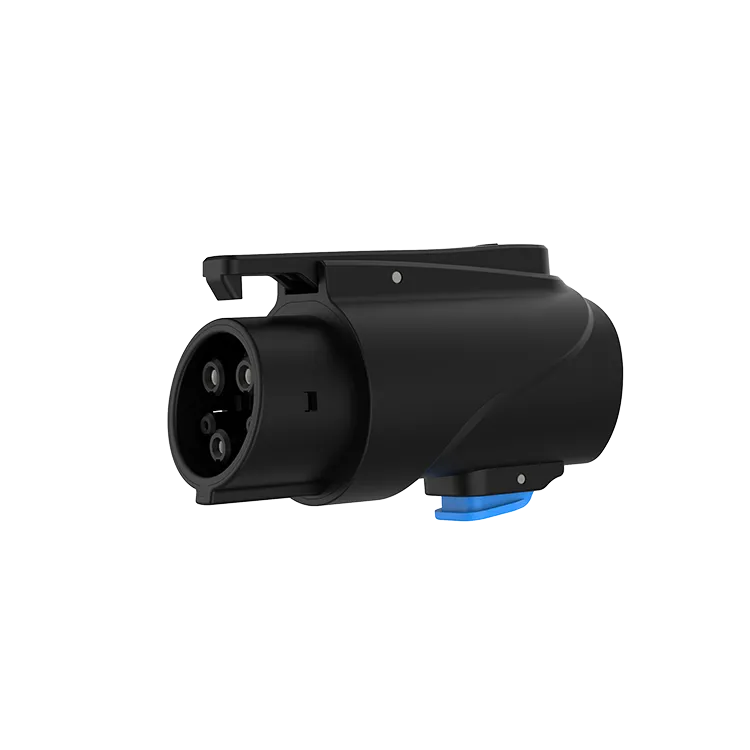
The JT02 is a NACS-to-J1772 AC adapter rated up to 80 A and 250 V AC with IP65 protection. It is for AC charging only and must not be used at DC fast chargers.
Frequently Asked Questions
Will an 80 A adapter make my car charge faster?
No. The car’s onboard charger and the charger’s output decide the speed.
Does using an adapter slow charging down?
A properly rated adapter in good condition should not noticeably reduce AC charging speed.
Why is my car charging slower on a commercial charger?
The charger may run at 208 V, share power with others, or offer less current.
Related Reading
- What Does an 11kW Onboard Charger Mean?
- How Fast Does a J1772 Charger Charge?
- Why Is My Electric Car Charging Slowly at Home?
- Can a Tesla Use J1772 Chargers?

