
Hot weather does trim an EV’s range, but usually by less than deep cold, and for a different reason. A hot battery delivers energy easily; the losses come from the loads you add — above all cooling the cabin, and cooling a cabin that has been baking in a parked car. The shorter the trip, the bigger the share of energy that goes to cooling instead of miles.
Key Takeaways
- Summer range loss comes mainly from cabin cooling, not from the battery struggling.
- Short trips from sun-baked parking lose the most per mile; long trips spread the cost.
- Precondition the cabin while plugged in, and park in shade when you can.
- Severe heat shortens battery life over years — DOE estimates 8–12 years in severe climates vs 12–15 in moderate ones.
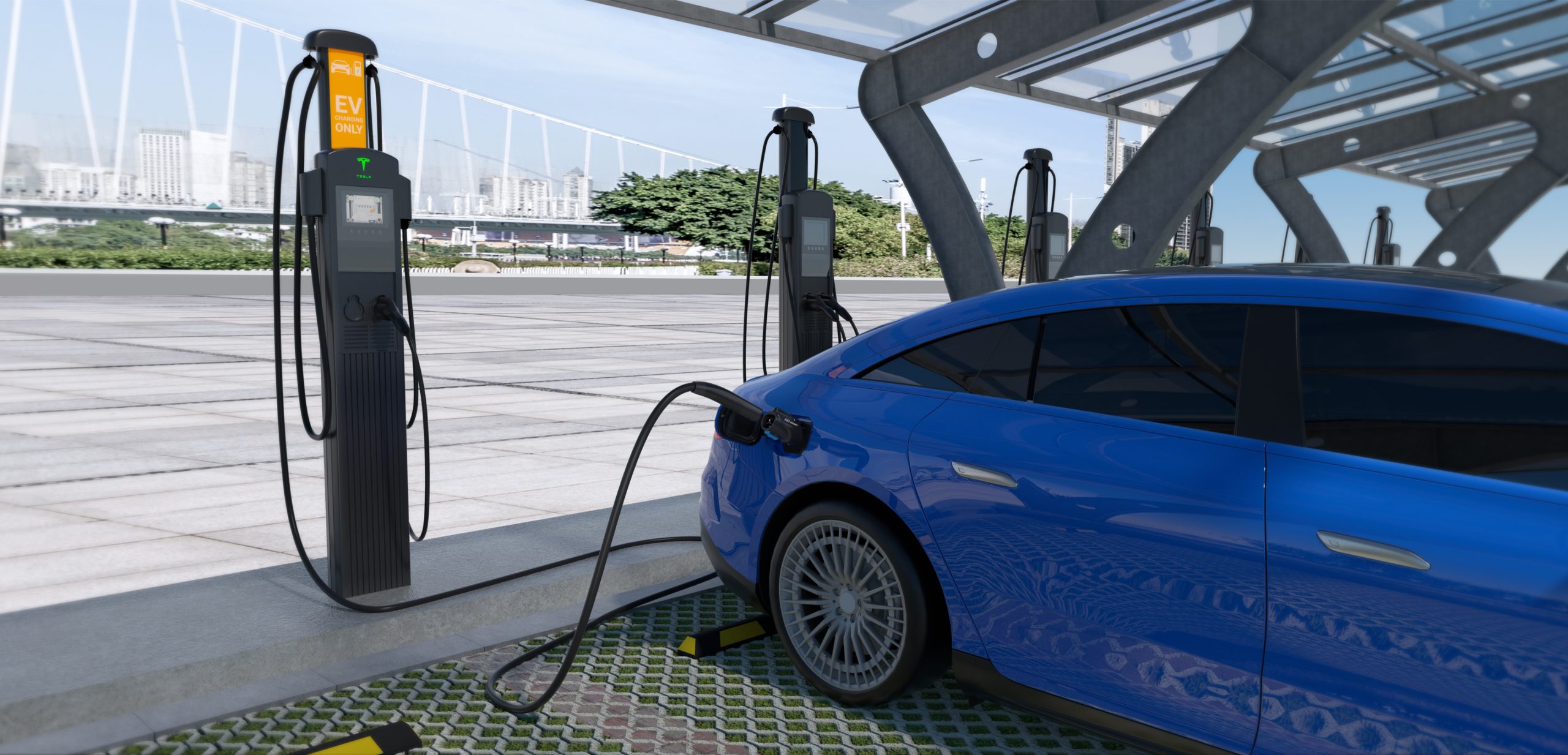
Where the Energy Goes in Hot Weather
Cold weather makes the battery itself work harder. Heat mostly leaves the battery alone and taxes everything around it:
| Extra load | When it bites | Effect on range |
|---|---|---|
| Cabin cooling (air conditioning) | Every hot trip, worst at the start | The main summer range cost |
| Cooling a heat-soaked cabin | After parking in the sun | A heavy draw in the first minutes |
| Battery cooling system | Hot days, and during fast charging | Some energy spent keeping the pack in its comfort zone |
| Driving itself | All the time | Little penalty — a warm battery is an efficient battery |
This is why two drivers report such different summer figures. A long highway run spreads one cabin cool-down over hundreds of miles. A day of short hops pays it again and again.
Why the First Miles Cost the Most
A car parked in the sun can have a cabin far hotter than the air outside. The air conditioner works hardest in the first minutes, pulling that heat out — from the battery, if the car is unplugged. If most of your driving is short trips from sunny parking spots, this start-up penalty dominates your summer consumption, and the dashboard estimate falls even though nothing is wrong.
The fix used by experienced owners is to cool the cabin before unplugging. EV preconditioning is usually discussed for winter batteries, but the same scheduling trick applies in summer: set the car to cool itself while it is still connected to the wall, and the cool-down runs on mains power instead of range.

Habits That Protect Summer Range
- Precondition while plugged in. Cool the cabin on wall power before you leave, at home or at a public charger.
- Park in shade or a garage when you can. A cooler starting cabin is range you do not spend.
- Vent before you cool. Opening the windows for the first minute of driving dumps the hottest air for free.
- Combine short trips. One cool-down for three errands costs less than three cool-downs.
- Keep charging gear shaded too. Heat affects the equipment side as well — see hot-climate EV charging for protecting chargers and cables in desert heat.
Charging at home overnight in summer is easy with a wall charger such as the EV-ACT5006T 48A Level 2 wall charger (up to 48 A, hard-wired or NEMA 14-50P, IP65/IP66): the car sits plugged in, so a scheduled morning cool-down costs no range. On a trip, the EV-ACS4005T 40A NACS portable charger (9.6 kW, IP66) does the same job from a 240 V outlet at a rental or campsite.
Heat and the Battery’s Long-Term Health
One hot summer will not harm your battery, but climate matters over years. FuelEconomy.gov cites DOE estimates that EV batteries may last 12 to 15 years in moderate climates and 8 to 12 years in severe climates — and severe heat is part of what makes a climate severe. The day-to-day range dip is reversible; the slow aging is why shaded parking and avoiding a full, hot, parked battery are worth the small effort. Our explainer on whether EV batteries degrade over time covers the mechanisms, and whether charging cables get hot covers the hardware side of warm-weather charging.
Frequently Asked Questions
Does hot weather damage the battery?
A single hot day does not. Sustained severe heat over years ages batteries faster, which is why DOE lifetime estimates are shorter for severe climates. Normal summer driving is a range question, not a damage question.
Why is my range worse after the car sat in the sun?
Because the first job the battery does is cool a heat-soaked cabin. That energy shows up as consumption before you have driven anywhere. Preconditioning while plugged in removes most of it.
Does air conditioning use more energy than heating?
Usually the opposite. In cold weather, cabin heating is typically the largest weather-related load, especially with a resistive heater. Cooling is a smaller load — but on short summer trips it is still the main reason range dips.
Related Reading
- Hot-Climate EV Charging: Protecting Chargers From Desert Heat and Sun
- What Is EV Battery Preconditioning?
- Does an EV Battery Degrade Over Time?
- Do EV Charging Cables Get Hot?

