
There is no single official number, because “charging standard” means three different things: the plug shape, the system standard defining how charging works and stays safe, or the communication standard the car and charger use to talk. Count only the plug families in common worldwide use and you get about seven. Count every layer and the list runs to dozens of documents.
Key Takeaways
- “Charging standard” covers three layers — connector, system/safety and communication.
- About seven connector families are in common use, from Type 1 and Type 2 to CCS, CHAdeMO, NACS and GB/T.
- IEC 61851, SAE J1772 and ISO 15118 do different jobs; a complete answer names its layer.
- When buying, match the plug to your market and check the spec sheet’s communication standards.

Layer 1: The Connector Standards — About Seven Families
When most people ask the question, this is the layer they mean: the shape that has to fit the car.
| Connector family | Standard behind it | Where you meet it | AC or DC |
|---|---|---|---|
| Type 1 (J1772) | SAE J1772 | North America, Japan (older and non-Tesla cars) | AC |
| Type 2 | IEC 62196-2 | Europe, UK, Australia and much of the world | AC (single- or three-phase) |
| CCS1 | SAE J1772 / IEC 62196-3 | North America | DC (Type 1 plus two DC pins) |
| CCS2 | IEC 62196-3 | Europe and Type 2 markets | DC (Type 2 plus two DC pins) |
| CHAdeMO | CHAdeMO specification | Japan, and older EVs worldwide | DC |
| NACS | SAE J3400 | North America (Tesla, then most other brands) | AC and DC in one connector |
| GB/T | Chinese national standards | China | Separate AC and DC connectors |
Our comparison of Type 2 vs J1772 vs NACS covers the three AC plugs most buyers choose between, and our explainer on whether J1772 works with CCS shows how the AC and DC versions relate.
Layer 2: The System and Safety Standards
Under the plugs sits a second layer defining how a session is controlled and protected. IEC 61851 is the international system standard: it defines the four charging modes, from a direct socket connection to DC fast charging, as our guide to Mode 2 vs Mode 3 charging explains. In North America, SAE J1772 covers both the connector and the AC charging method. Alongside these sit safety and listing standards: in the US, charging equipment is tested by a nationally recognized testing laboratory under standards such as UL 2594 — the OSHA NRTL program page explains what that listing means.
Layer 3: The Communication Standards
The third layer is invisible but decides what a session can do. ISO 15118 governs digital communication between car and charger — it is the standard behind Plug and Charge, where the car identifies itself and billing starts automatically. OCPP runs the other direction, between charger and operator network, handling authorisation, session records and tariffs. Two chargers can meet the same connector and safety standards and still differ here — one more reason simple counts mislead.
Why the Count Keeps Moving
- Standards get formalised. NACS began as one carmaker’s connector and became SAE J3400, as our explainer on whether the Tesla charger is NACS describes — the plug did not change, its status in the count did.
- Standards retire slowly. CHAdeMO is fitted to few new cars outside Japan, but cars on the road keep its chargers in service for years.
- Regions consolidate, the world does not. North America converges on NACS, Europe is settled on Type 2 and CCS2, China keeps GB/T — three blocs, not one global plug.
- Each layer counts separately. Counting plugs, IEC documents or protocols answers three different questions.
Choosing Equipment in a Multi-Standard World
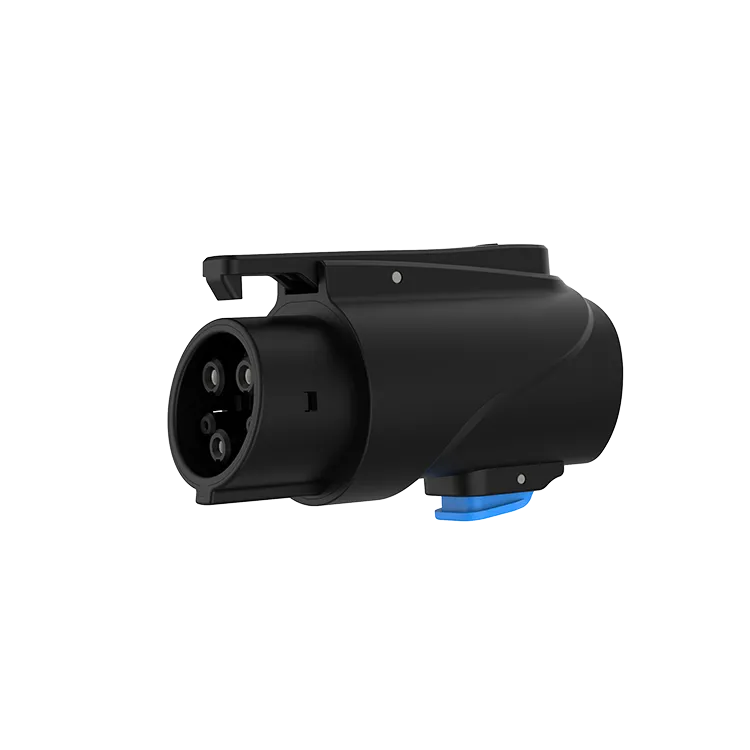
For a buyer, the rule is to match the connector to the market, then check the other two layers on the spec sheet. The EV-ACT3204PE 22 kW wallbox is built on Type 2 for IEC markets, with RFID and app control. For North America, the EV-ACS3210T 32A NACS portable charger (about 7.7 kW, NEMA 14-50P, IP66) follows the J3400 connector, and the JT02 NACS-to-J1772 adapter (AC, up to 80 A, IP65) bridges the transition for cars with the older inlet.
Frequently Asked Questions
Is there one world EV charging standard?
No. There are regional settlements — Type 2 and CCS2 across Europe, NACS growing in North America, GB/T in China — but no single global connector.
Why do some articles say there are only three standards?
They are usually counting the AC connector families sold in one market — a buying shortlist, not a count of the standards in use worldwide.
Does the standard decide how fast I can charge?
It sets the ceiling and the type of current, AC or DC. The actual speed depends on the car’s onboard charger or DC limit and on the charger itself, as the US DOT’s charger types and speeds overview shows.
Related Reading
- Type 2 vs J1772 vs NACS: Which EV Charger Connector Does Your Market Need?
- Mode 2 vs Mode 3 Charging: What IEC 61851 Means for Portable EV Chargers
- Does J1772 Work With CCS? CCS Connectors Explained
- Is the Tesla Charger NACS? NACS, J3400 and Adapters Explained

