
It depends on how your car offers vehicle-to-load (V2L). If it has a built-in socket, you need no adapter at all. If V2L works through the charging port, you need a discharge adapter — and it has to be the one made or approved for your car, because the adapter is an active part that tells the car to release power, not a plain plug.
Key Takeaways
- Built-in socket: no adapter. Port-based V2L: the maker’s discharge adapter.
- A discharge adapter signals the car to release power; it is not a plain plug.
- Fit is not approval — buy the adapter your car maker specifies for your model.
- Charging adapters, like the JT02, move power into the car only.
Two Ways Cars Offer V2L
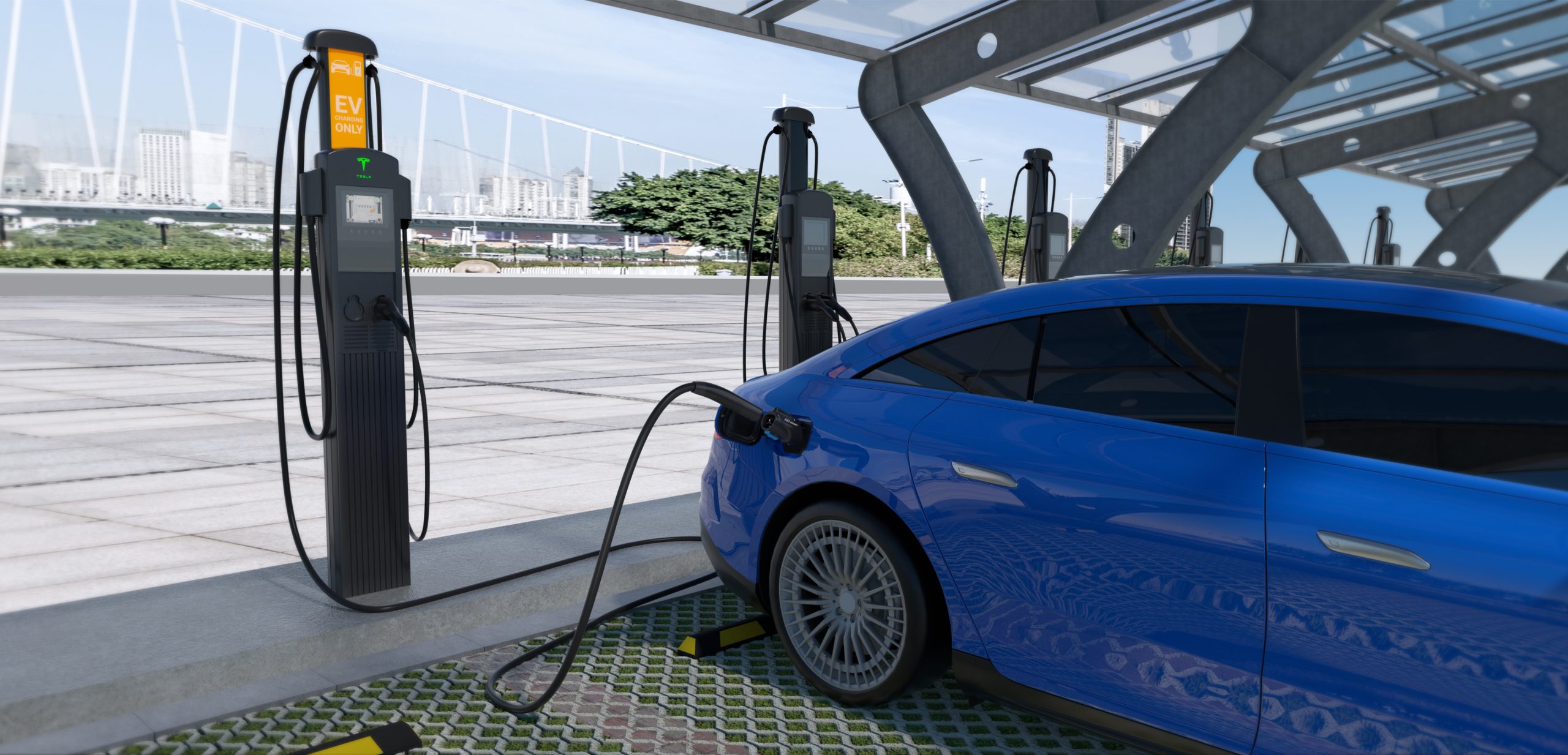
On some models the outlet is built into the cabin or the charge port area, and you plug the appliance straight in. On others there is no socket: the car maker’s discharge adapter fits into the charging port and provides the outlet instead. The owner’s manual is the authority on which design you have. If it does not describe V2L at all, the car does not have it, and no adapter adds it. Our overview of bidirectional charging: V2L, V2H and V2G explained sets out where V2L sits in the family, and which EVs can do bidirectional charging covers the models that offer it.
Why the Adapter Is Not Just a Plug
A discharge adapter does more than change a connector shape. It signals the car to switch from charging mode to discharge mode, and the car decides how much power to release, up to its rated output. That is why fit alone is not enough:
| Check | Why it matters |
|---|---|
| It is made or approved for your car | The car only discharges for a signal it recognises; an unapproved adapter may simply be refused |
| The connector matches your charge port | Port shapes differ by model and market, and a mismatched adapter will not seat correctly |
| Its rating covers your loads | The car’s rated output is the ceiling; the adapter and your appliance must both be within it |
| It is listed and undamaged | It carries real load outdoors; certification marks and a sound housing are the basic safety evidence |
Before You Buy: The Checklist
- Confirm V2L in the manual first. Look for the discharge feature and the adapter the maker specifies, by name or part number.
- Buy the maker’s adapter, or one the maker approves. A cheaper generic adapter that happens to fit can be refused by the car, can fault under load, and can put warranty support at risk.
- Match the port exactly. Adapters are built for one connector family; “close enough” does not seat or latch properly.
- Compare ratings before loads. Check the adapter’s rating and the car’s rated output against the labels of what you plan to run, starting with the largest load.
- Keep it dry and stored. Like a charging connector, it works outdoors but should be kept clean, dry and protected between uses.

Do Not Confuse It With a Charging Adapter
Adapters also exist in the other direction, for charging, and they are different devices. The EVDANCE JT02 NACS-to-J1772 adapter, for example, lets a J1772 car charge from a NACS AC outlet (up to 80 A, IP65). It passes power into the car only; it cannot take power out, and no charging adapter turns a car into a V2L source. Whichever adapter you buy, match it to the job: discharge adapters come from the car maker, charging adapters such as the JT02 cover the trip to a different connector standard.
Frequently Asked Questions
Can I use a V2L adapter made for a different car brand?
Only if your car maker approves it for your model. The connector may fit several cars, but discharge is enabled per model, and the maker of your car is the one who decides which adapters it will work with.
Does the adapter set how much power I can use?
No. The car’s rated output, stated in the manual, is the limit. The adapter has to be specified for that car and rating; the limit itself lives in the vehicle.
My car has a socket in the cabin. Do I still need the adapter?
No. A built-in socket is V2L already, and appliances plug straight in. The adapter is only for models that provide V2L through the charging port.
Related Reading
- Bidirectional Charging Explained: V2L, V2H and V2G
- Which EVs Can Do Bidirectional Charging?
- Can You Charge an EV With a Portable Battery or Power Bank?
- Can I Charge an Electric Car With a Generator?

