
UL 2251 is the North American safety standard for the parts that connect an electric vehicle to its charger: the plug on the cable, the receptacle on a charging station, and the coupler and inlet on the car. When a testing laboratory lists EV charging equipment, three UL standards divide the work. UL 2594 covers the charger itself, UL 2231 covers protection for people, and UL 2251 covers the plugs and connectors that carry the current between them.
Key Takeaways
- UL 2251 is the North American safety standard for EV plugs, receptacles and vehicle couplers.
- One listing rests on three documents: UL 2594 for the equipment, UL 2231 for personnel protection, UL 2251 for the connectors.
- Adapters are separate connector products and need their own listing, not just a listed charger behind them.
Three Standards Behind One Listing
A charger on a shelf carries one listing mark, but the evaluation behind it has layers. Each UL document owns a different part of the system:
| Standard | What it covers | Where you meet it |
|---|---|---|
| UL 2594 | The charging equipment itself | The wallbox or charging station |
| UL 2231 | Personnel protection systems in the supply circuit | Inside the charger’s safety circuits |
| UL 2251 | Plugs, receptacles and vehicle couplers | The connector in your hand, the socket on the post, the inlet on the car |
How a product moves through that process is set out in our guide to UL and ETL listing for EV chargers. UL 2251 is the layer most drivers never hear about, though it covers the part they handle at every session.
What UL 2251 Evaluates
The standard treats the connector as working hardware, not as a shaped piece of plastic. Every charging session’s current crosses this joint, outdoors, in users’ hands, thousands of times over a product’s life. The evaluation looks at the plug, receptacle or coupler as an assembly, including:
- How the plug and inlet mate and latch, so the connection stays made and cannot be pulled apart casually under load.
- How live contacts are housed and shielded inside the connector body, out of reach of fingers and tools.
- How the assembly carries its rated current without overheating, session after session.
- How cable strain relief and housings stand up to pulling, bending and knocks.
- How the connector keeps water and dirt away from the contacts — the quality you see summarised in an IP rating on product pages.
The point of a separate document is that a safe charger can still be let down by a poor connector: different products, different failure modes.
Why the Connector Gets Its Own Standard
Connectors are the wear point of the whole system. Contacts are inserted and removed daily, cables are dragged and dropped, and adapters deliberately join one standard’s plug to another car’s inlet. That is also why connector shapes and systems cannot simply be mixed: as our explainer on whether J1772 works with CCS sets out, each system is a matched set of plug, inlet and communication. A dedicated standard for the joint itself is what lets a buyer trust that a plug rated for a job has been tested for it, rather than trusting the charger’s listing to stretch over a part it never covered.
Adapters Are Pure Connector
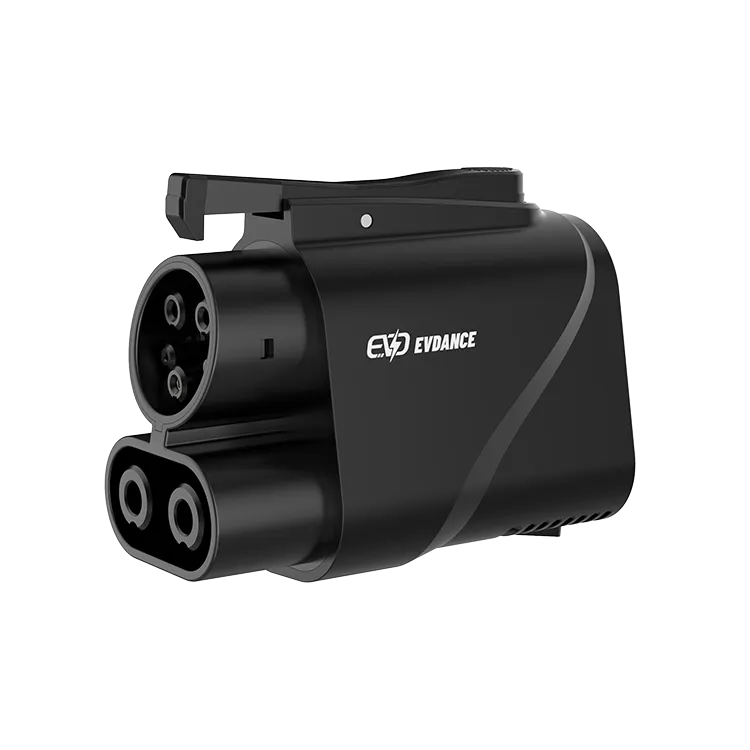
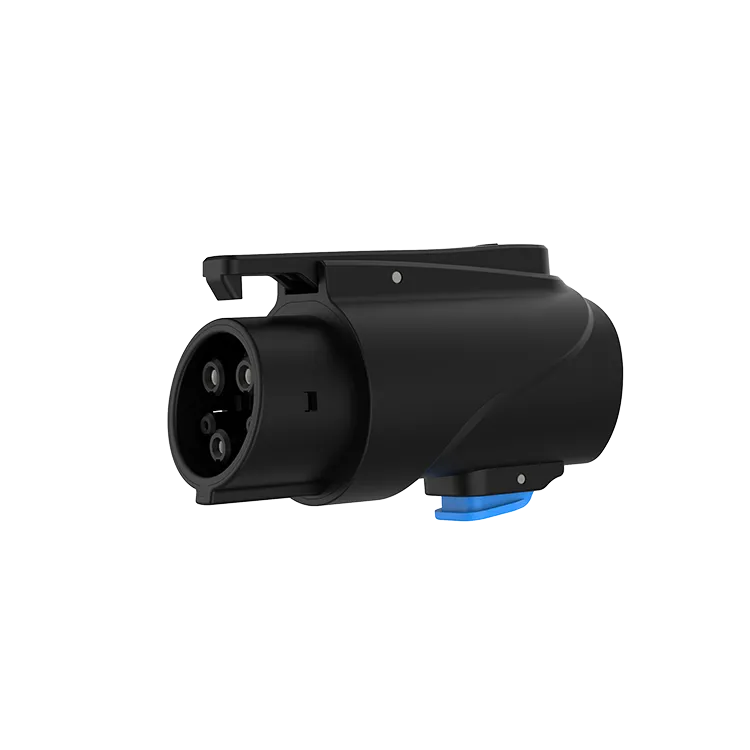
An adapter is almost nothing but connector: a plug on one side, a coupler on the other, and a housing between them. The EVDANCE JT08 NACS-to-CCS1 DC adapter is rated up to 500 A / 1000 V with IP66 sealing, for use only where the automaker approves it. The JT09 adapter adds a handle and is rated up to 500 A, also IP66. For AC, the JT02 NACS-to-J1772 adapter is rated up to 80 A with IP65 sealing. Parts carrying currents like these are exactly why a connector standard exists. Whatever brand you buy, check that an adapter is listed by a recognised laboratory and approved for your car before you rely on it.
Frequently Asked Questions
Is UL 2251 a certification mark I can look for?
No. UL 2251 is a standard, not a mark. The mark on the product belongs to the testing laboratory — UL, ETL or another nationally recognized laboratory — and the listing behind that mark shows which standards the product was evaluated to. Connectors and adapters should carry a listing that includes UL 2251.
Does a listed charger automatically cover its cable and plug?
The listing covers the product as it was tested, including its attached cable and connector. A separate adapter bought later is a separate product, and it needs its own listing — the charger’s mark does not extend to it.
Does UL 2251 apply outside North America?
UL 2251 is the North American document. Most other markets rely on the IEC standards family, which is one reason a connector sold for one market is not automatically cleared for another.
Related Reading
- UL and ETL Listing for EV Chargers: How NRTL Certification Works
- EV Charger Certifications Explained: CE, UKCA, UL, ETL, CB and What Buyers Should Ask For
- Does J1772 Work With CCS? CCS Connectors Explained
- Are EV Chargers Universal?

