
Data Ownership in Charging Projects: Owner, Operator and Platform
Charging data is allocated by contract lines among owner, operator and platform — not by whose server holds it. Each data class needs a contract line and an exit test.
Charging data is allocated by contract lines among owner, operator and platform — not by whose server holds it. Each data class needs a contract line and an exit test.

Cost per kW is a division buyers compute from quotes in hand, equipment only. It ranks quotes inside one class and one frozen spec — and misleads across classes.
No published 120 kW price exists: expect the DOE DC fast class range, a quote priced on configuration, and three things the badge hides — sustained output, shared power and programme fit.
A commercial bidirectional project is priced as a stack: vehicle readiness, the unit, utility export approval, metering, installation and programme terms — each priced by a different party.
Level 3 means DC fast charging. A business budgets three layers: DOE-cited equipment and installation ranges for the class, plus utility-side work priced only by the utility’s written offer.

Software fees are a shape, not a number: per port, per site, per session or revenue share. Each behaves differently as ports and sessions grow — cost them on your own records.
A 10-year TCO is built, not looked up: six layers – acquisition, installation, energy, maintenance, platform, end of life – each priced from your own quotes, bills and logs.
No single average EV charger cost exists in the sources. What exists are DOE-cited U.S. frames per class – home, public Level 2, DC fast – and the scope rules for reading them.

A charger cost calculator returns the quality of its inputs. Eight inputs decide the budget – each has a proper source, and a few have a published U.S. reference frame.
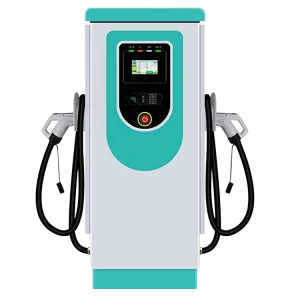
Commercial chargers cost more for structural reasons: duty design, access and billing hardware, enclosure, certification scope, installation and software – not speed or markup.