
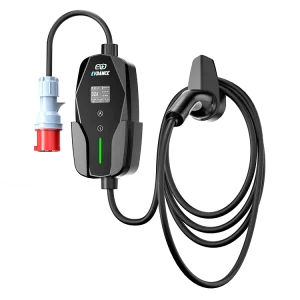
CEE Plugs Explained: Choosing 16A or 32A for a Three-Phase Portable EV Charger
How red CEE plugs work for three-phase portable EV chargers: 16A vs 32A, 11 kW vs 22 kW, colour codes, socket ratings and safe use on sites and farms.
How red CEE plugs work for three-phase portable EV chargers: 16A vs 32A, 11 kW vs 22 kW, colour codes, socket ratings and safe use on sites and farms.
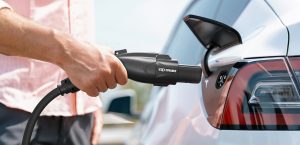
Mode 1, 2, 3 and 4 charging under IEC 61851 explained for portable EV charger buyers: in-cable protection, control pilot, current limits and installation rules.

OEM vs ODM EV chargers explained for brands and distributors: what each model covers, what you can customize, timelines, and how to choose a manufacturer.
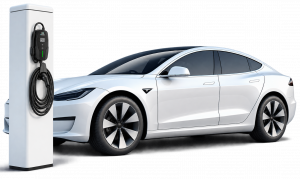
How dynamic load balancing lets a wallbox home charger share a limited supply with the rest of the house, avoid tripped main fuses and skip costly upgrades.
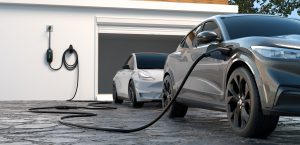
Why EV chargers come in 7kW, 11kW and 22kW versions, how single-phase and three-phase supplies set the limit, and why the car’s onboard charger matters too.
Type 2, J1772 and NACS explained for EV charger buyers: where each connector is used, AC and DC versions, adapters, and how to choose chargers for your market.

A practical checklist for importers choosing a portable EV charger supplier: factory checks, certificates, samples, warranty and shipping terms.