
When you buy a used EV, check the charging gear as carefully as the car. The portable charging cord should be in the trunk, undamaged, and able to complete a test charge during your viewing. A missing or faulty cord is easy to overlook, and replacing one is a real cost you should price into the deal.
Key Takeaways
- Confirm the portable charging cord is included, and check what the car originally shipped with.
- Inspect pins, cable, control box, plug and latch; damage means replacement cost.
- Run a real test charge during the viewing and feel for excess heat.
- Match the gear to your daily miles: Level 1 suits short driving, Level 2 the rest.
What Should Come With the Car
Most EVs were supplied with a portable charging cord: a control box on a cable, with a household or 240 V plug on one end and the car connector on the other. What was included varies by model and year, and some cars were sold with a basic Level 1 cord only, so check the owner’s manual or ask the seller to confirm what originally came with the car. In regions with untethered public chargers you may also expect a separate cable for public AC posts. If an item is missing, note it before you agree a price, and compare replacement options in our guide to where to buy a portable EV charger.
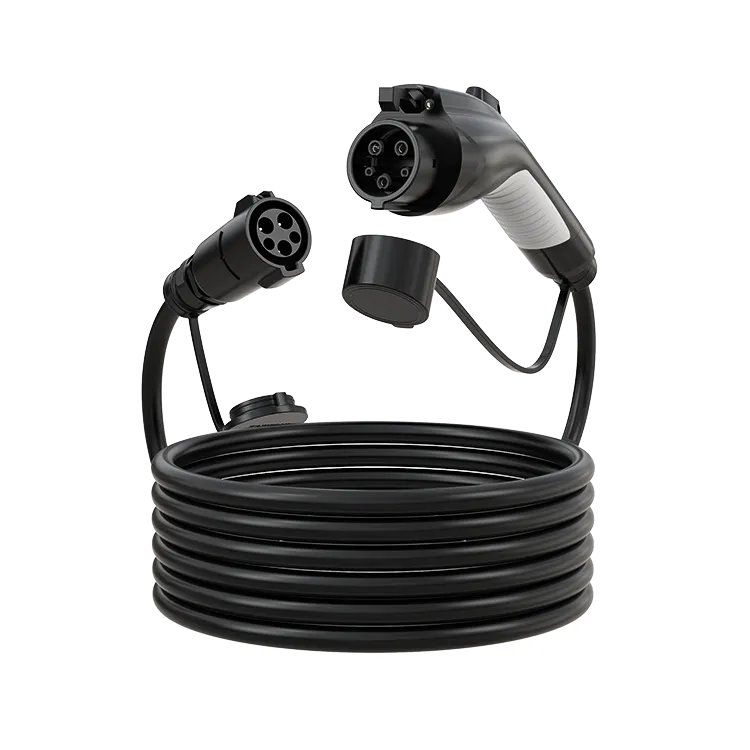
Inspect the Cord Like You Inspect the Tyres
| Part | Good sign | Warning sign |
|---|---|---|
| Connector pins | Clean, straight, no discoloration | Bent pins, green corrosion, scorch marks |
| Cable jacket | Flexible, no cuts or flat spots | Cracks, tape repairs, crushed sections |
| Control box | Sealed, lights work, no rattling | Cracked case, water marks, burnt smell |
| Wall plug | Prongs straight and tight | Loose or heat-darkened prongs |
| Latch | Clicks and holds firmly | Connector falls out or needs force |
Damage on any of these is not cosmetic. A charger with a damaged cable or connector should not be used; treat its replacement cost as part of the negotiation.
Plug It In During the Viewing
Ask to charge the car while you inspect it. Use a proper outlet, not an extension cord. The session should start within seconds, the control box lights should show a normal state, and after ten minutes the plug and handle should feel no more than warm. If the cord errors out, trips the breaker, or runs hot, something is wrong with the cord, the outlet, or the car, and you want to know which before money changes hands. The portable EV charger buying guide explains the ratings to compare if you shop for a replacement.
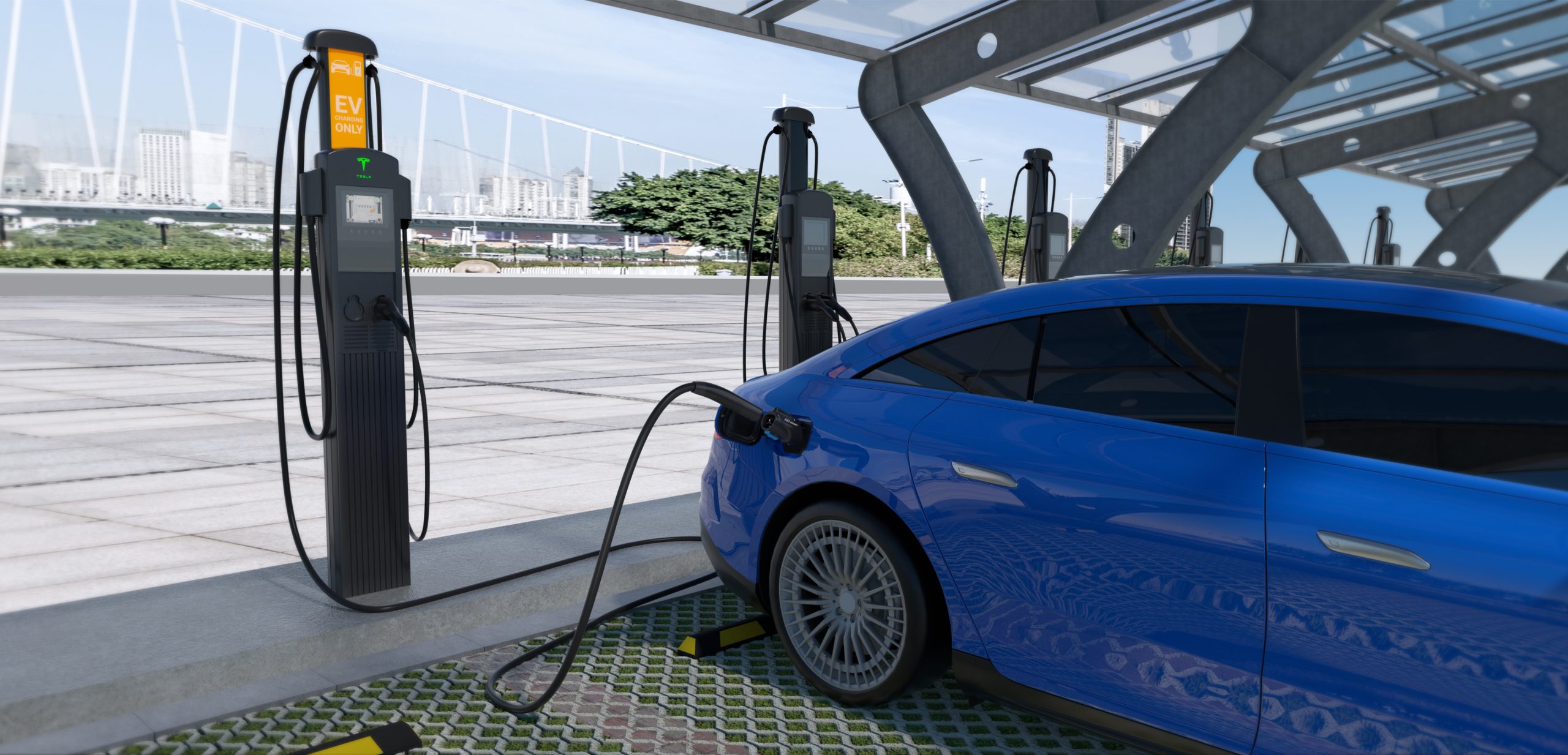
Check Your Home Side, Too
The cord only solves half the equation. Level 1 charging adds roughly 2–5 miles of range per hour, while Level 2 adds about 10–20, per U.S. DOT charging speed figures. If the car comes with a Level 1 cord only and you drive far each day, plan for a 240 V outlet or wall charger at home. On battery life, FuelEconomy.gov notes EV batteries may last 12–15 years in moderate climates and 8–12 in severe ones, so a used car’s age and climate history matter more than its charging cord.
If the cord is missing or damaged, a replacement portable charger is straightforward: the EV-AC04001U is a 40 A J1772 portable charger on a NEMA 14-50 plug, and the EV-ACS3210T is the 32 A NACS equivalent with six adjustable current steps. Match the connector to the car’s inlet before ordering.
Frequently Asked Questions
The seller lost the charging cord. Should I still buy the car?
You can, but price the replacement into the deal. A portable charger is a normal purchase, not a dealer-only part, and you will want one from day one.
The car only comes with a Level 1 cord. Is that enough?
For short daily driving, often yes: it refills overnight at 2–5 miles of range per hour. For longer commutes, budget for Level 2 at home.
Can I test the cord on any outlet?
Use a sound, grounded outlet of the type the plug is made for, with nothing else heavy on the circuit. Do not use an extension cord for the test or for regular charging.
Related Reading
- Where to Buy a Portable EV Charger and What to Check First
- Portable EV Charger Buying Guide 2026
- How to Read an EV Charger Datasheet: A Buyer’s Guide
- How Much Does It Cost to Charge an Electric Car at Home?

